

Audio By Carbonatix
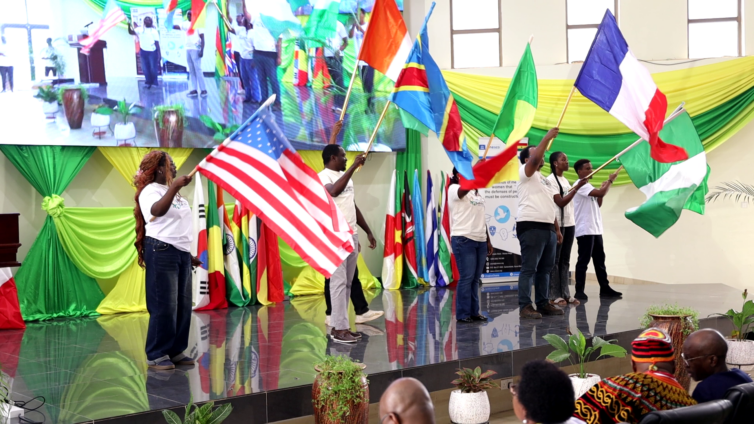
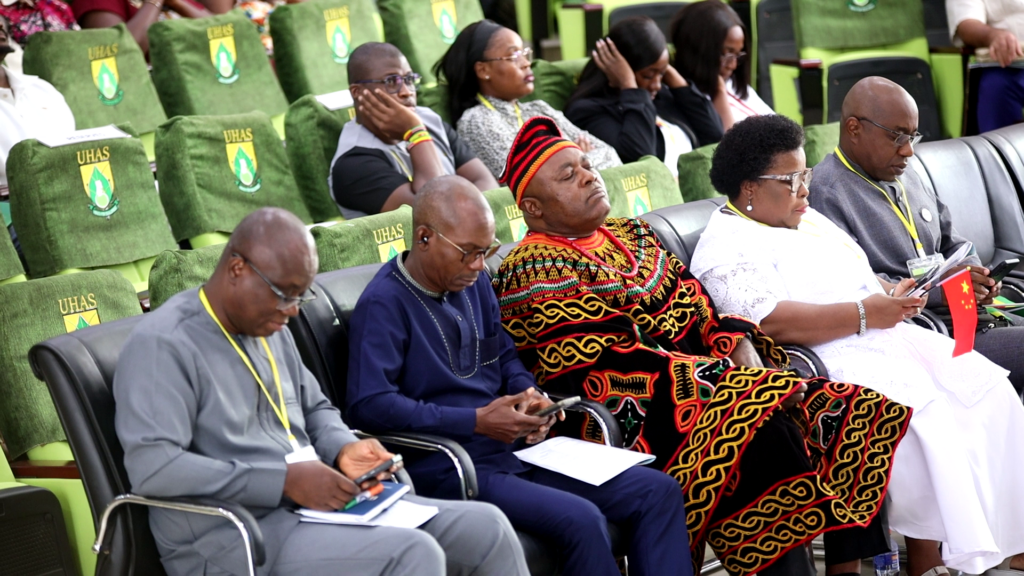
The University of Health and Allied Sciences in the Volta Region has hosted the 2026 edition of its annual International Day.
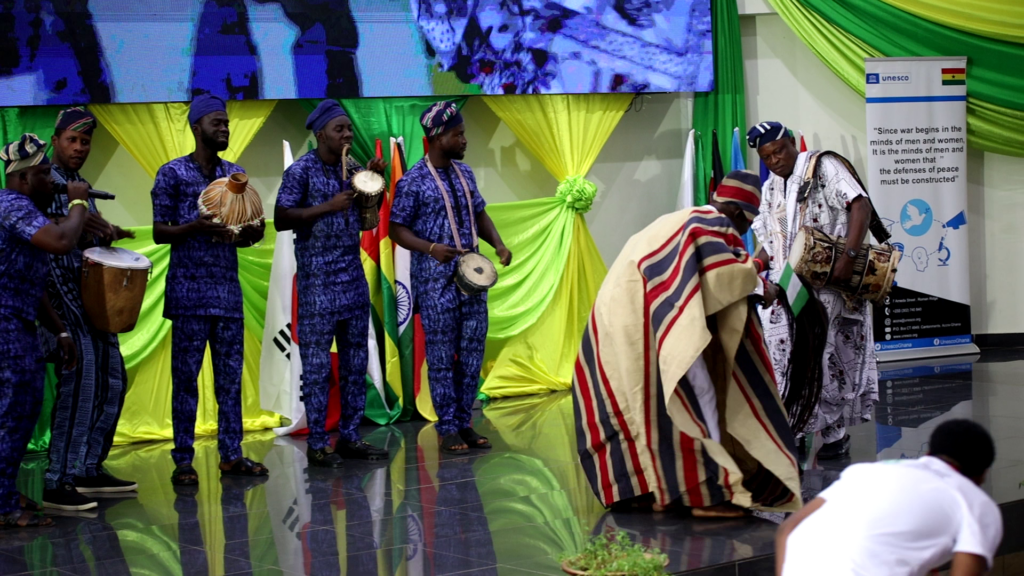
The event was aimed to commemorate and celebrate the cultural diversity of the University, which seeks to foster a community welcoming people of various nationalities and promote international collaborations.
The Vice-Chancellor, Prof Lydia Aziato, revealed that the University currently maintains 94 international partnerships worldwide, aimed at enriching student training and faculty development. She stated, “this is no mean achievement.”
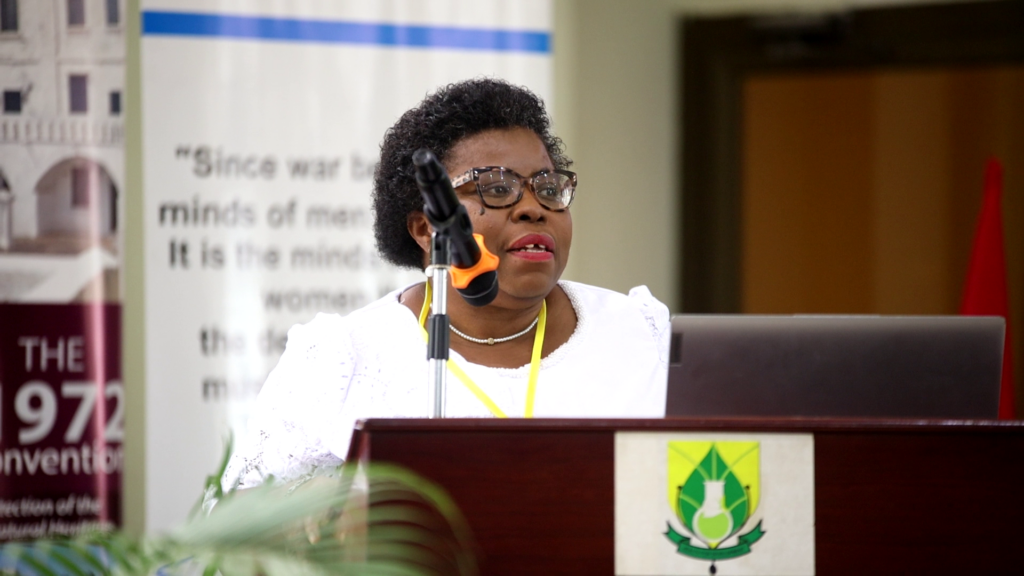
She praised the significant contribution of the Cuban faculty in helping the University gain accreditation to establish the School of Medicine, among other accomplishments.
“On behalf of staff and management of UHAS, without you, we wouldn’t have a School of Medicine that is making waves both nationally and globally,” she said.
She also recognised the contributions of stakeholders, including Nigerian, Indian, and South African faculty, in guiding the University towards its goal of delivering quality training in diverse health disciplines.
“We are grateful to everyone who made this possible,” she emphasised.
The Dean of International Programmes, Prof Elvis Tarkang, stated that UHAS acknowledges the importance of cultural diversity in fostering a vibrant and intellectual environment.
He added that a culturally diverse university environment “strengthens our institutional identity, broadens perspectives and enhances the quality of teaching, learning, research, and service.”
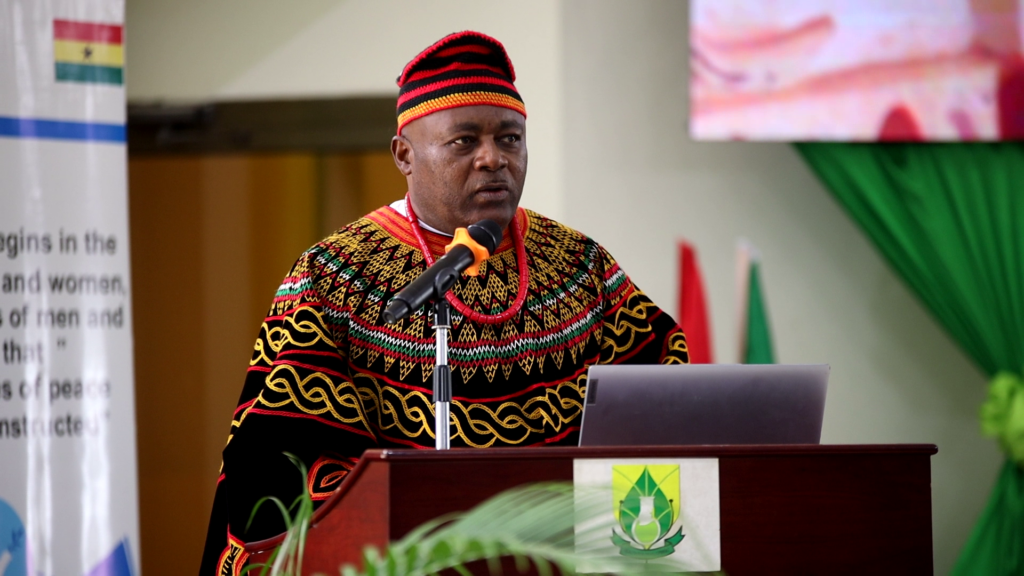
He noted that through internationalisation, UHAS has equipped students to address complex health issues within different communities.
“Diversity is not just something to be acknowledged but a source of strength that promotes institutional growth, academic excellence, and meaningful partnerships,” he explained.
Dr Carlien Jooste, Director of Internationalisation at Sefako Makatho Health Sciences University in South Africa, highlighted the importance of internationalisation in modern universities.
She described it as a platform for students and staff to gain comprehensive training and participate in exchange programmes to share knowledge.
She urged universities to integrate internationalisation into their vision and strategic plans, invest in staff development, and regularly assess international initiatives.
She also pointed out that curricula should incorporate global and diverse perspectives, while university management should foster opportunities for intercultural engagement.
“Successful internationalisation is not measured by the number of international partnerships or international students on campus. Its true success lies in creating a university where every individual feels respected, included, and empowered to contribute,” she concluded.
Latest Stories
-
Democracy must not be for sale: Who pays for Ghana’s politics, and how do we confront money, influence and accountability?
10 minutes -
Aburi Amanfrom landowners appeal for government support for Atwapim development project
14 minutes -
Cargill Ghana and International Cocoa Initiative celebrate 111 young graduates building skills for the future
37 minutes -
Video: Madina MP Francis-Xavier Sosu collapses while addressing students at GIMPA
38 minutes -
Hunnyboy reveals how social media landed him Shatta Wale feature
44 minutes -
I am a perfectionist – Actor William Lamptey
48 minutes -
No room for another false start as Ghana begin AFCON qualifying campaign
1 hour -
“We are grateful for what you have achieved” – AGI President tells Finance Minister
1 hour -
“No Nation is Inferior”: Mahama champions human dignity and security council reform at the UN
2 hours -
Manhyia South residents, NPP executives fume over botched EOCO arrest of MP
2 hours -
Mahama unveils new deal with global philanthropy
2 hours -
Daily Insight for CEOs: Building customer-centric leadership
2 hours -
Democracy must deliver food, jobs and healthcare, not just elections – Mahama
2 hours -
Capacity constraints must never be a barrier to restitution – Mahama
2 hours -
COMAC pushes for suspension of sections of Customs Act 2026
2 hours