

Audio By Carbonatix
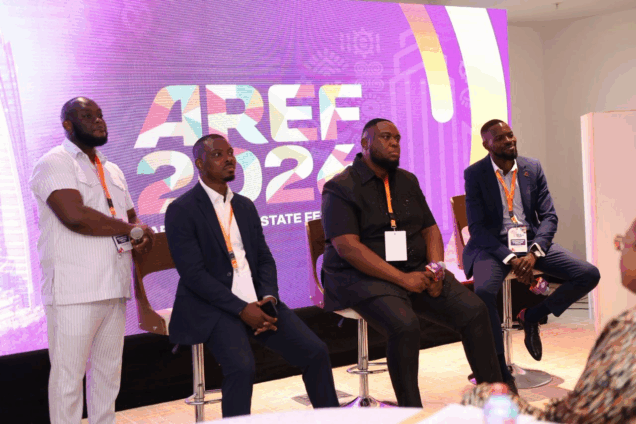
Accra has emerged as the host city for a new continental platform aimed at reshaping Africa’s real estate and urban development agenda, following the official media launch of the Africa Real Estate Festival (AREF) 2026.
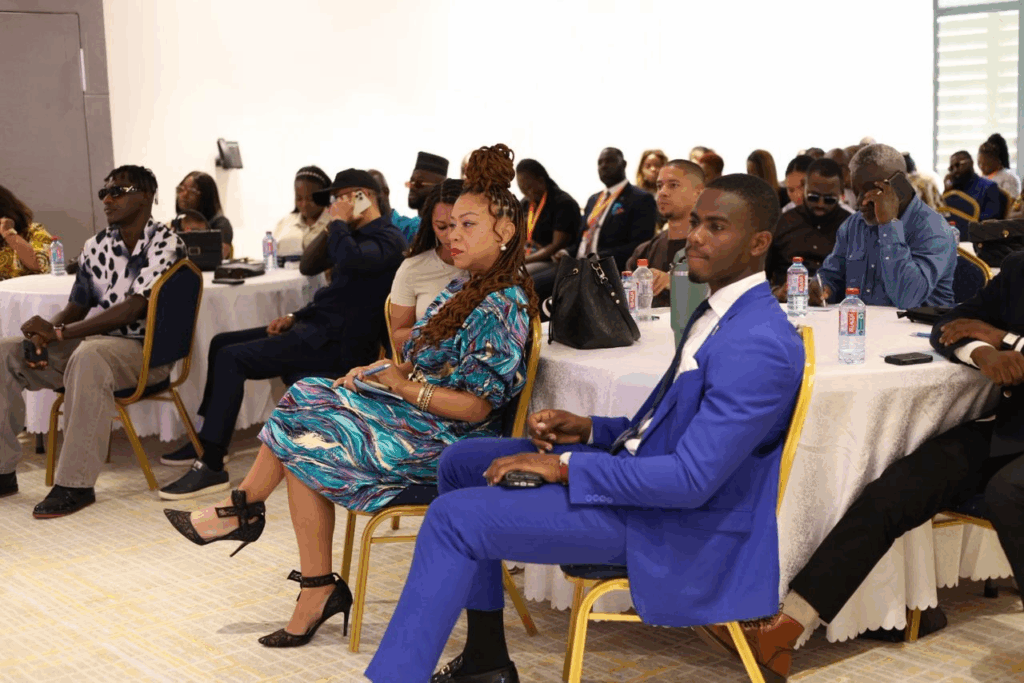
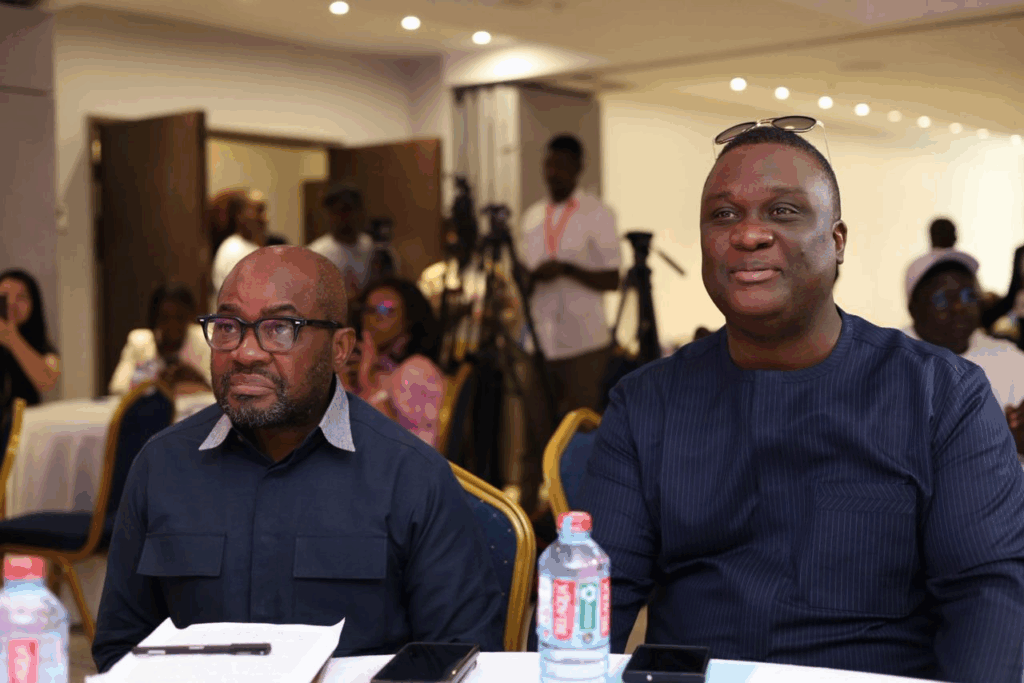
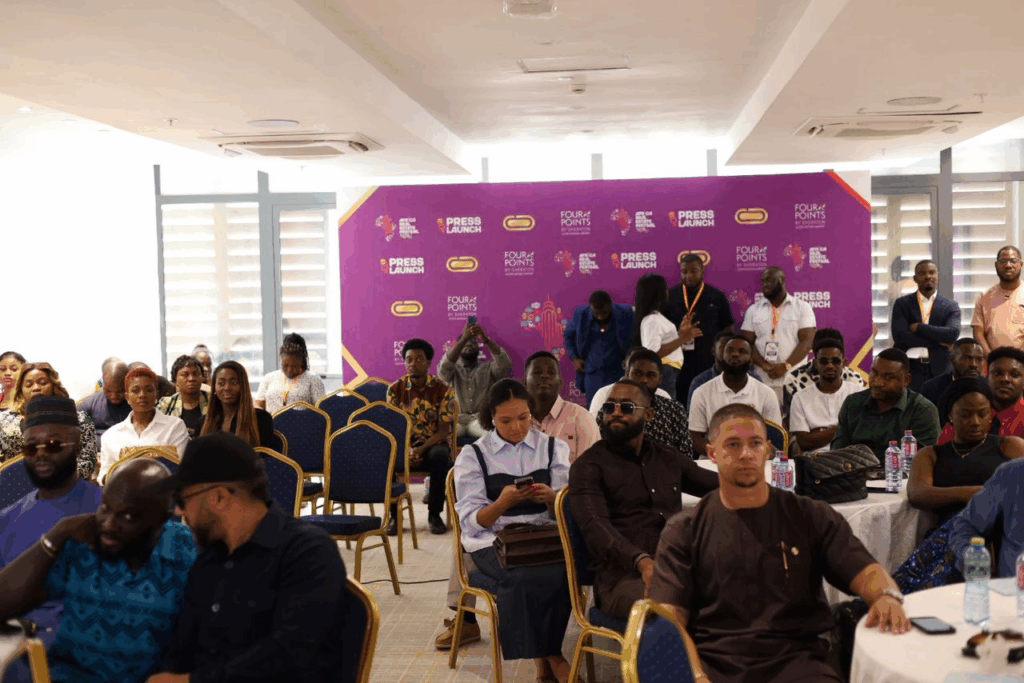
The launch, which came off Friday, January 16, 2026, in Accra, brought together government officials, diplomats, developers, investors, industry professionals, and members of the media, all united by a shared goal to move Africa’s real estate sector beyond transactions and toward long-term, people-centred development.
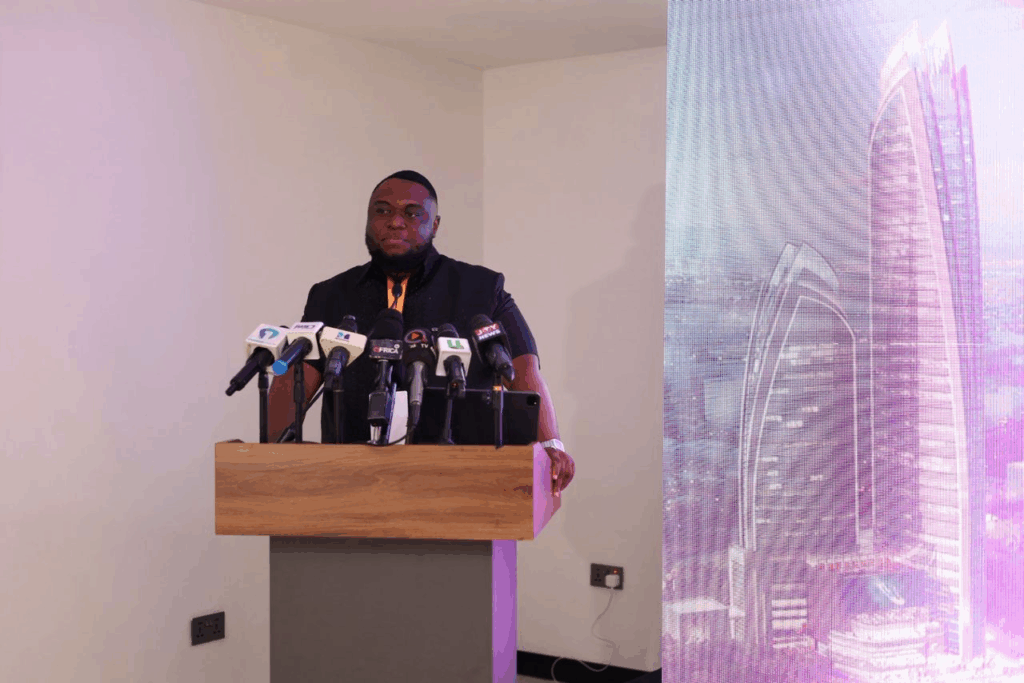
In an address, the Founder and Chief Executive Officer (CEO) of AREF, Desmond Oteng, described the festival as a movement rather than a one-off event, driven by the urgency of Africa’s rapid urbanisation.
“Africa is urbanising faster than any other continent. By 2050, over 1.4 billion Africans will live in cities, yet our real estate conversations still focus on buildings and prices instead of people, quality of life, and sustainability,” he said.
According to Mr. Oteng, AREF seeks to reposition real estate as a catalyst for economic transformation, climate responsibility, cultural identity, youth empowerment, diaspora engagement, and inclusive urban growth. The maiden festival will be held in Accra on April 18 and 19, 2026, and will convene policymakers, developers, investors, architects, planners, financial institutions, prop-tech innovators, and diaspora stakeholders from across Africa and the global African community.
Although hosted in Ghana, he stressed that AREF is a continental platform with plans to expand into other African countries.
“Our focus is intentional city building. Africa does not need more unplanned cities or gated silos. We need connected communities and functional urban ecosystems that work for people,” he noted.
International interest in AREF was underscored by the presence of Her Excellency Juliette Bynoe-Sutherland, High Commissioner of Barbados to Ghana, who announced Barbados’ participation in the festival. She described AREF as a practical bridge between diplomacy, investment, and sustainable development.
“Real estate today is no longer just about property ownership. It is about the full ecosystem, capital flows, lifestyle assets, and long-term value creation,” she said.
She highlighted Barbados’ experience, where real estate contributes about 18 percent of national GDP, supported by political stability, clear legal frameworks, progressive tax policies, and strong community education. According to her, the Barbadian model offers valuable lessons for Ghana and other African coastal states, particularly in tourism-linked real estate, coastal conservation, health tourism, retirement living, and sustainable community planning.
The High Commissioner also revealed growing interest among Barbadians and Caribbean investors in Ghana, noting a sharp increase in travel and enquiries about property ownership following visits to the country.
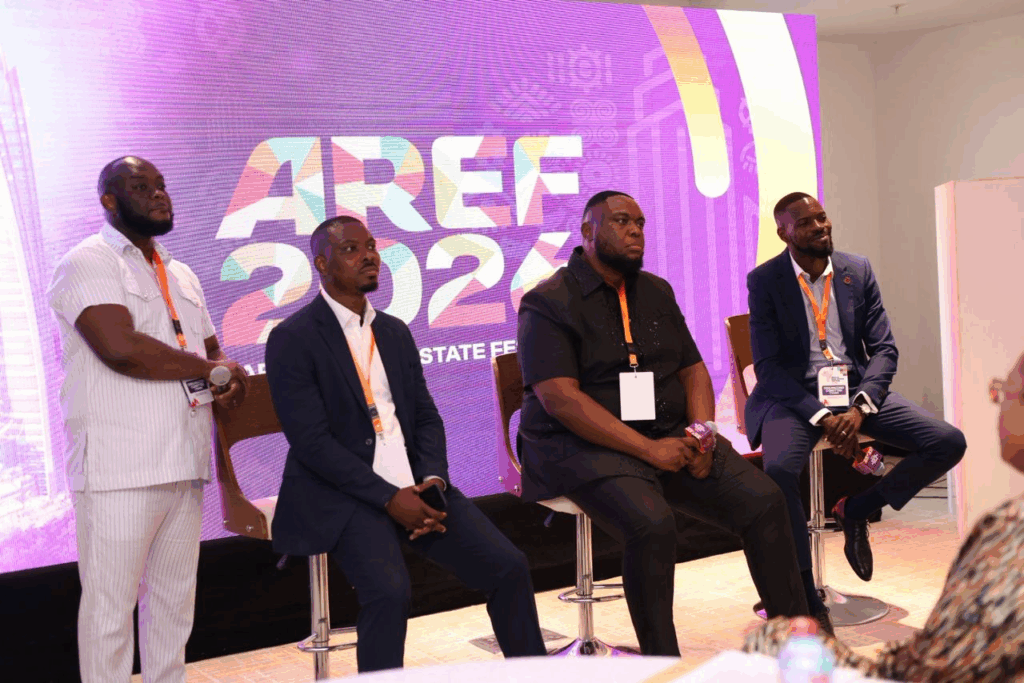
From the government perspective, Mr. Agyemang of the Diaspora Affairs Office of the President outlined Ghana’s evolving strategy to deepen diaspora participation in the real estate sector. He explained that the focus is shifting from informal remittances to structured investment and asset creation.
“Our objective is to move beyond remittances for consumption and toward remittances for asset building,” he said.
He identified three key priority areas: capital market integration through real estate investment trusts and diaspora bonds, improved regulatory transparency through digital land governance, and sustainability under the African Continental Free Trade Area framework. He also noted plans to incentivise commercial real estate developments that serve as logistics hubs for intra-African trade.

Mr. Agyemang commended the AREF team for the speed and commitment with which the initiative has been executed, reaffirming government openness to partnerships that strengthen Ghana’s real estate ecosystem.
Organisers say AREF is designed to influence policy dialogue, attract credible global capital, promote responsible development, elevate African design excellence, and build investor confidence in Africa as a serious real estate destination.
As Africa confronts unprecedented urban growth, AREF 2026 positions itself as a timely platform seeking to ensure that the cities built today create dignity, opportunity, and shared prosperity for future generations.
AREF is a pan-African platform dedicated to empowering the real estate ecosystem through events, research, innovation programs, and partnerships. It connects all stakeholders across the value chain to drive sustainable growth, investment, and culturally grounded development in Africa’s built environment.
Latest Stories
-
Young woman found dead at Kasoa Peace Town
6 minutes -
Livestream: The Law examines lawful arrest in Ghana
31 minutes -
Mahama urges African governments to treat healthcare as an investment, not budget cost
1 hour -
Bawumia congratulates John Boadu and new NPP executives, pledges support ahead of 2028
1 hour -
‘No talent should be left out’ – Bawumia pledges inclusive NPP campaign for 2028
1 hour -
Prof. Mike Oquaye recounts how he blocked Special Prosecutor’s attempt to arrest Bawku Central MP
1 hour -
Make health sovereignty a priority for Africa – Mahama
2 hours -
Dorimon Naa, Wa West DCE lead massive clean-up exercise; threaten sanctions against recalcitrant residents
2 hours -
Photos from Adom FM Y2K Jam
2 hours -
Praye Tiatia steals the show at Adom FM Y2K Jam [Watch]
2 hours -
Boakye Agyarko congratulates John Boadu, pledges support for NPP leadership
2 hours -
Antwi HiMight thrills fans with Antwi ne Antwi hits at Adom FM’s Y2K Jam [Video]
3 hours -
Amb. Edward Boateng congratulates Boadu, Kodua on election wins
3 hours -
John Boadu pledges to rebuild NPP from grassroots and restore ‘winning machinery’
3 hours -
Ashaiman Assembly deploys monitoring system to curb dumping in storm drain
3 hours