

Audio By Carbonatix
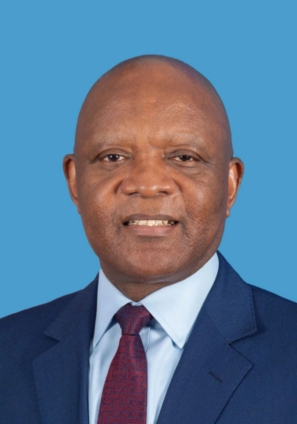
The health of Africans must never hinge on the political outcomes of elections in foreign countries; that was the firm message from Dr John Nkengasong, Executive Director for Higher Education, Collaboratives, and Strategic Initiatives at the Mastercard Foundation, during a webinar on the organisation of the 8th Galien Forum Africa and the 5th Prix Galien Africa
"The outcomes of elections in other countries cannot affect the health of African people," Dr Nkengasong stressed.
"We must not leave the future of our people in the hands of political outcomes in other Western countries."
He argued that Africa’s health and development future must be shaped and financed by Africans themselves.
Answering questions about Health Sovereignty, Dr Nkengasong, insisted that Africa must transition from dependency on external aid to a system rooted in continental ownership and accountability.
"Health sovereignty in Africa must be owned by Africans," he said. "It must be in the context of what we hope to achieve on the continent. The time has come for Africa to look inward."
He emphasised the need to treat health financing as an investment rather than an expenditure.
“Funding health should be viewed as an investment, not as expenditure,” he noted, adding that such a mindset is crucial if Africa is to build resilient health systems.
On investing in traditional African medicines and medical research, Dr Nkengasong called for renewed investment. "In the past 25 years, GDP in African countries have grown significantly since the Abuja Declaration”, he said. “Our economies are not as fragile as they used to be. We must invest the capital flow in health, in research and innovation, just as the U.S. invested in its National Institutes of Health."
He maintained that development must be driven from within. "In the history of development, no country has ever developed another country," he stated.
Dr Nkengasong also underscored the importance of long-term commitment from political leaders, noting that effective resource management and political will are "paramount if Africa wants to improve health outcomes."
Highlighting Ghana's progress, Dr Nkengasong praised the country’s National Health Insurance Scheme (NHIS) and the Accra Reset launched by President John Dramani Mahama as part of efforts to strengthen Africa’s health sovereignty.
The Accra Reset, unveiled at the 2025 United Nations General Assembly, calls for reforming global development institutions and making health sovereignty a central pillar of Africa’s growth agenda.
At the launch, President Mahama said, Health sovereignty must be the entry point for Africa’s broader development vision, urging that health be treated not as a cost but as an investment in human security and productivity.
Dr Nkengasong also urged African nations to collaborate in vaccine production through regional pooling and African Union-led policy harmonisation.
He said vaccine production must be collaborative among African countries, and regional pooled procurements, the African Union leadership, and unified policies are essential.
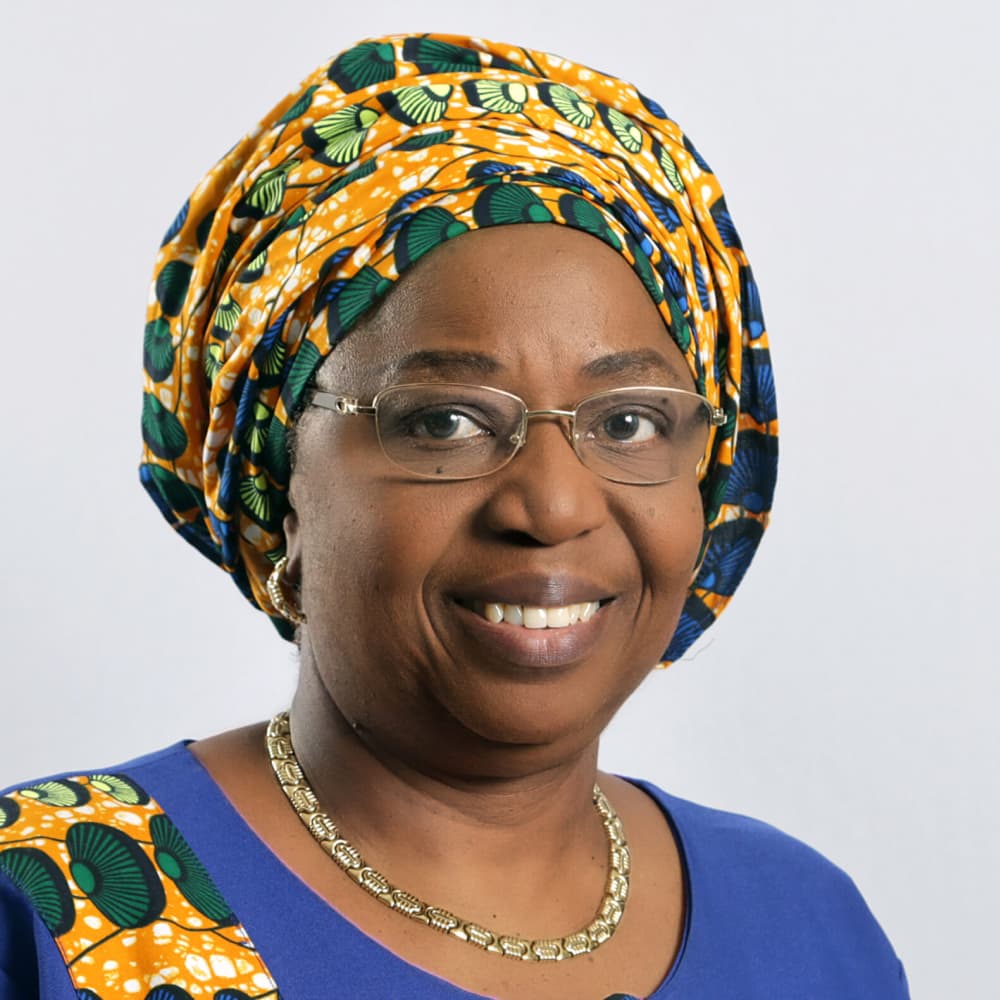
Chair of Galien Africa and former Senegalese Minister of Health, Prof. Awa Marie Coll Seck, reinforced the message of local ownership, calling for health education reforms and the integration of ancestral knowledge.
“Health is a real investment,” she said. “We need to look at new strategies for health, starting with health education in school curricula. If we fail to teach about health, nutrition, and sanitation, we will continue to face problems.”
She urged African countries to rediscover traditional knowledge in food, medicine, and wellness.
“There is a need to go back to ancestral knowledge in terms of health and nutrition,” she noted.
Prof. Coll Seck also highlighted the importance of engaging young scientists, especially those recognised under the Prix Galien Africa, to drive innovation in medical research and biotechnology.
She explained, some awards are given to young people to maintain and grow their interest in the medical sciences. “The African Medical Agency and Galien Africa are focused on strengthening regulation, medical research, and accountability.”
The Galien Africa Forum and its affiliated Prix Galien Africa continue to celebrate African-led scientific excellence and encourage collaboration among researchers, policymakers, and innovators.
Both speakers at the webinar believe, African Health sovereignty is not just a dream; it is an imperative. It must be built by Africans, funded by Africans, and sustained by Africans.
The Galien Africa webinar was organised by REMAPSEN (the Network of African Media Professionals for Health and Sustainable Development).
The session was moderated by Bamba Youssouf, President of REMAPSEN, and Bouba Sow, Executive Director of REMAPSEN.
Latest Stories
-
Hotline Documentary: ‘Silent Football’ to air on JoyPrime and JoyNews today
1 hour -
NDPC examines how evidence shapes Ghana’s development planning and policy decisions
1 hour -
Education Ministry calls urgent talks to break GAUA strike deadlock
1 hour -
NCCE engages women in North East Gonja on rule of law, anti-corruption
1 hour -
NDPC reviews 2004 planning guidelines to reflect changes in decentralised system
1 hour -
Trade Ministry commends Prisons Service for using art to drive inmate rehabilitation
1 hour -
Books, brushes and second chances: Dr Abena Asomaning launches three titles to support prison outreach
2 hours -
Treasury bill auction oversubscribed by 53.5% as yields fall across maturities
2 hours -
NPP warns aspirants premature campaigning could jeopardise eligibility for primaries
2 hours -
Ghana courts investors in Bangkok after exit from $3bn IMF bailout
2 hours -
8 arrested over alleged internet fraud initiation assault in Bono Region
2 hours -
SSNIT says Labadi Beach Redevelopment will create local economic opportunities
2 hours -
BoG proposes 30-day liquidity buffer requirement for banks
2 hours -
BoG plans reviews of banks’ cybersecurity compliance
2 hours -
GRA cautions taxpayers against attacking tax officials
2 hours