

Audio By Carbonatix
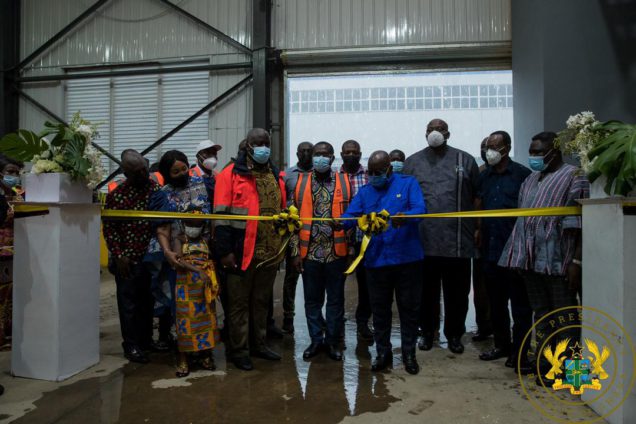
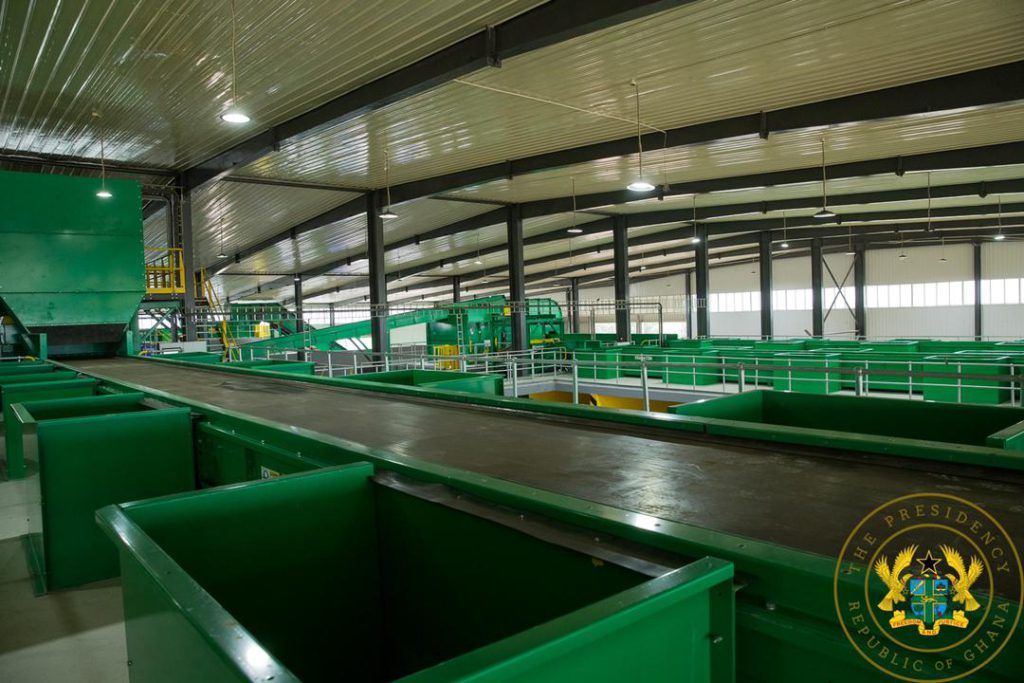
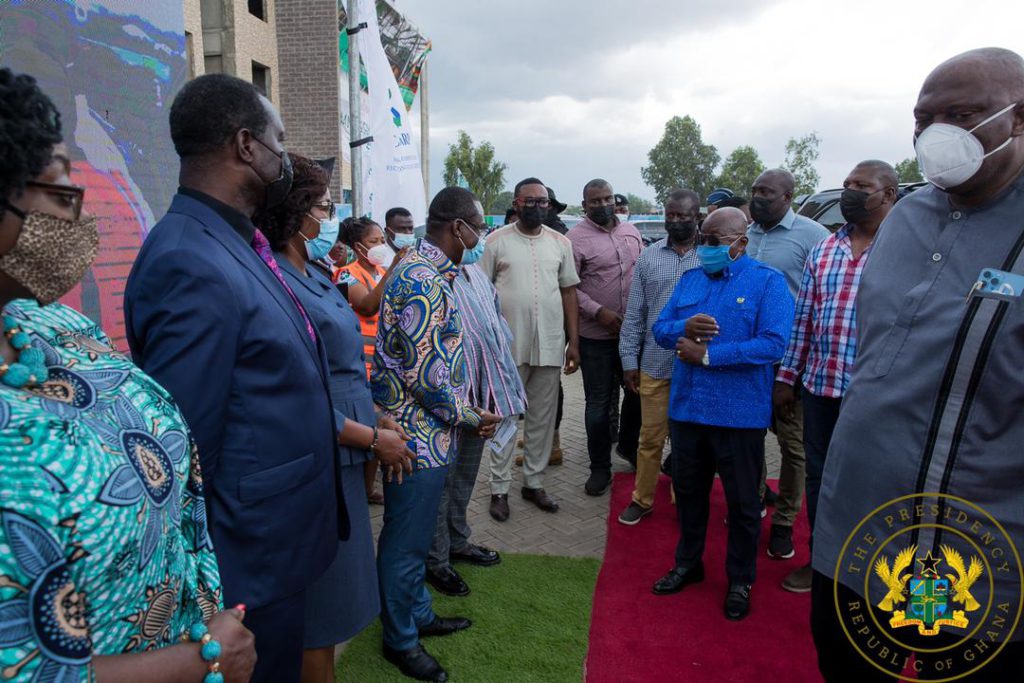
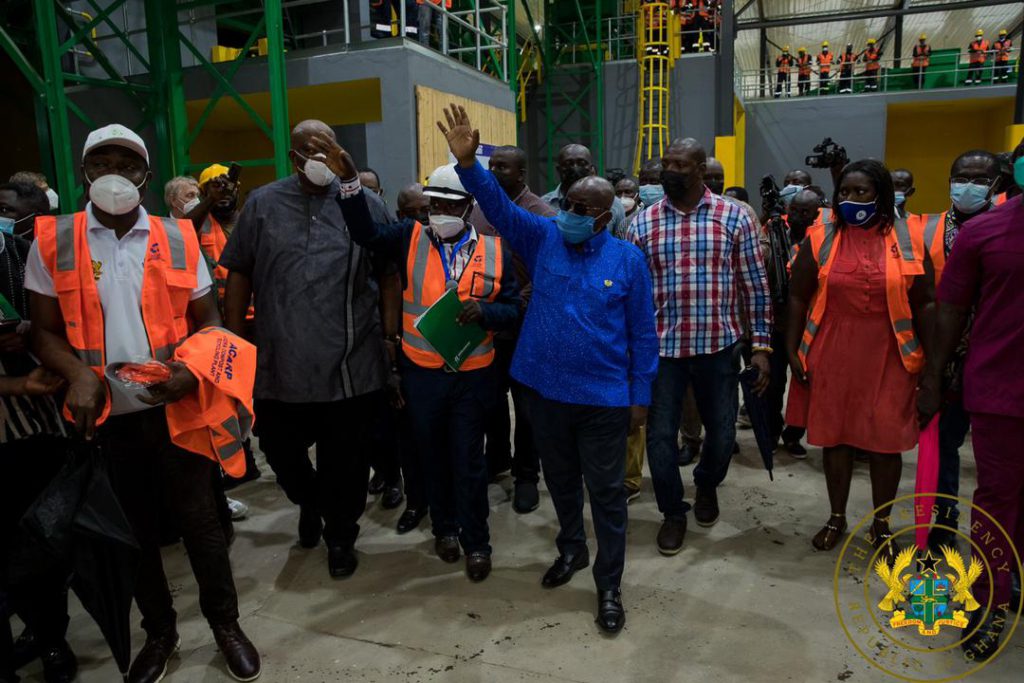
President Nana Akufo-Addo has commissioned Phase II of the Accra Compost and Recycling Plant (ACARP), executed by the Jospong Group and Partners.
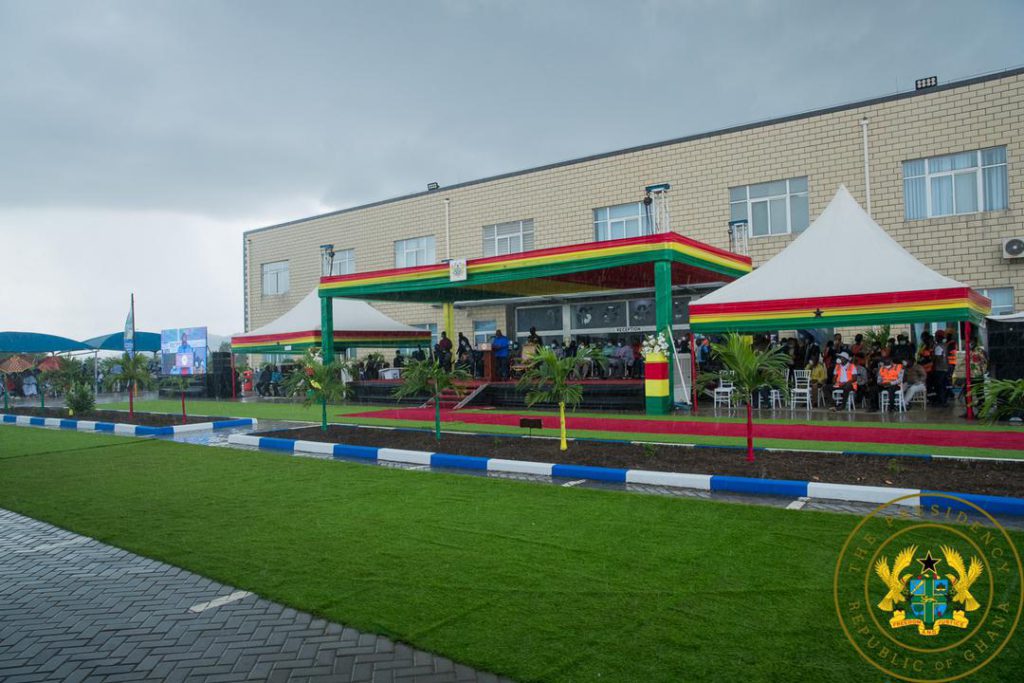
Speaking at the commissioning ceremony on Thursday, President Akufo-Addo stated that as a result of increased urbanisation, particularly in the country’s major cities, the capacity of the current 600-ton plant cannot cope with the increased municipal solid waste generated daily within the city of Accra.
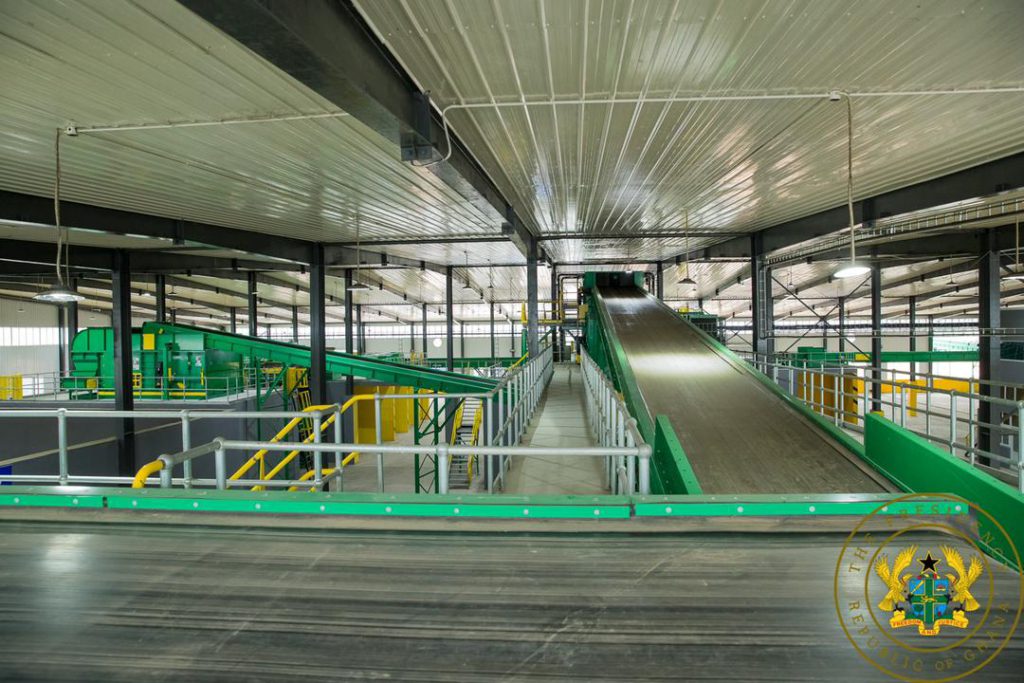
“It is for this reason that Jospong Group and Partners, with support from government, embarked on expanding the existing facility from 600 tonnes per day to 2,000 tonnes per day,” the President said.
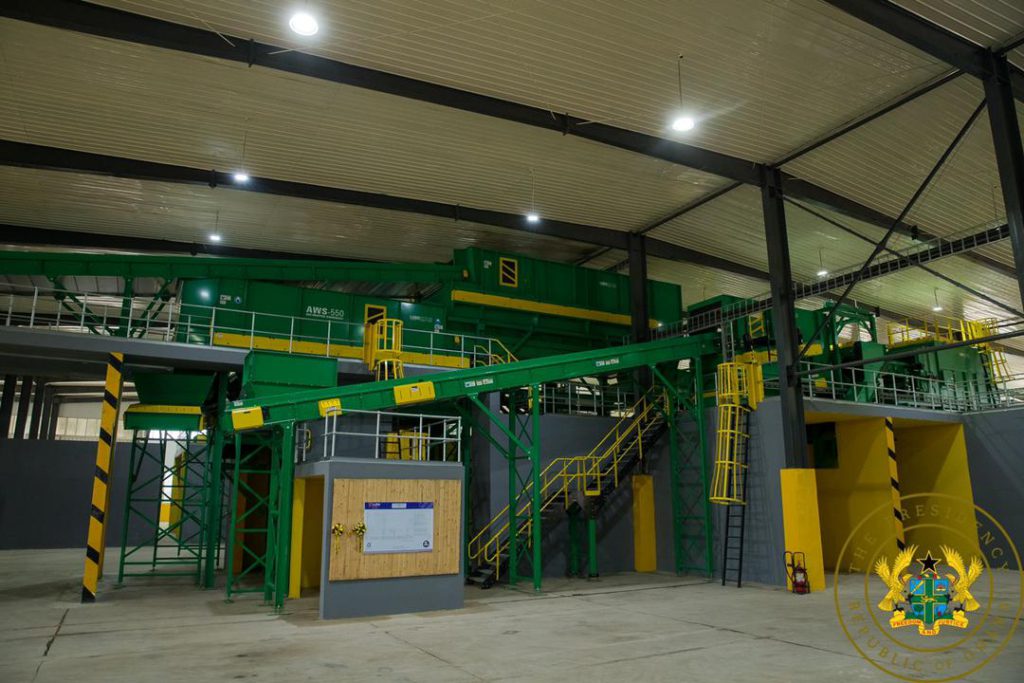
Phase II of the plant is well-equipped with modern teaching and learning facilities, as well as ultra-modern laboratories for training and research into modern effective processing and recycling technologies.
The completion of this facility, according to the President, will bring immense benefits to managing effectively and efficiently the increased solid waste in a more environmentally friendly and sustainable manner.
Historically, the disposal of solid waste has remained a challenge, especially in the urban areas in this country, creating the numerous sanitation challenges confronting our nation. Elsewhere, integrated waste management has been adopted as one critical intervention in the management of municipal solid waste.
However, the President noted that the establishment of an efficient integrated waste management facility requires huge financial outlay, and, with the competing needs of other sectors of the economy on government budget, it is becoming increasingly difficult for Government alone to shoulder this responsibility.
“It is for this reason that, on assumption of office, my government made a commitment to address this menace to transform Ghana to be one of the cleanest countries in Africa.
"In this regard, government has taken the requisite steps to create the enabling environment and framework for the private sector to partner government in find lasting solutions to this herculean challenge,” he said.
President Akufo-Addo continued, “It is important also to note that, as a result of the huge capital requirement to establish infrastructure for the management of solid waste, most private sector players have been reluctant to enter into this space.
"I am glad and fortunate that Jospong Group and Partners have entered this space to partner Government to assist us in addressing the sanitation situation.”
Other benefits to be derived from the facility, the President said, include the production of organic compost for horticultural and agronomical purposes to boost agricultural production and the Programme for Planting for Foods and Jobs.
Additionally, the plant, he indicated, would create job opportunities for some 300 persons in various capacities on a full and part-time basis, which is one of the key priorities of government, and will translate into an improved standard of living for these workers and their families.
As co-Chair of the Group of Eminent Advocates for the 2030 United Nations Sustainable Development Goals, President Akufo-Addo noted that “it is heartwarming to note that the execution of this project will help realise some of the targets under SDG 6, which demands that we provide clean water and sanitation for all”.
He reassured that government will continue to create the enabling environment for the private sector to thrive, and will continue to collaborate with the private sector in the provision of infrastructure to accelerate the socio-economic development of the country.
In furtherance of this, the President said that his government is collaborating with the Jospong Group of Companies and Partners to implement the Integrated Recycling and Compost Plants in all 16 regions of the country, to help address the prevailing sanitation challenges.
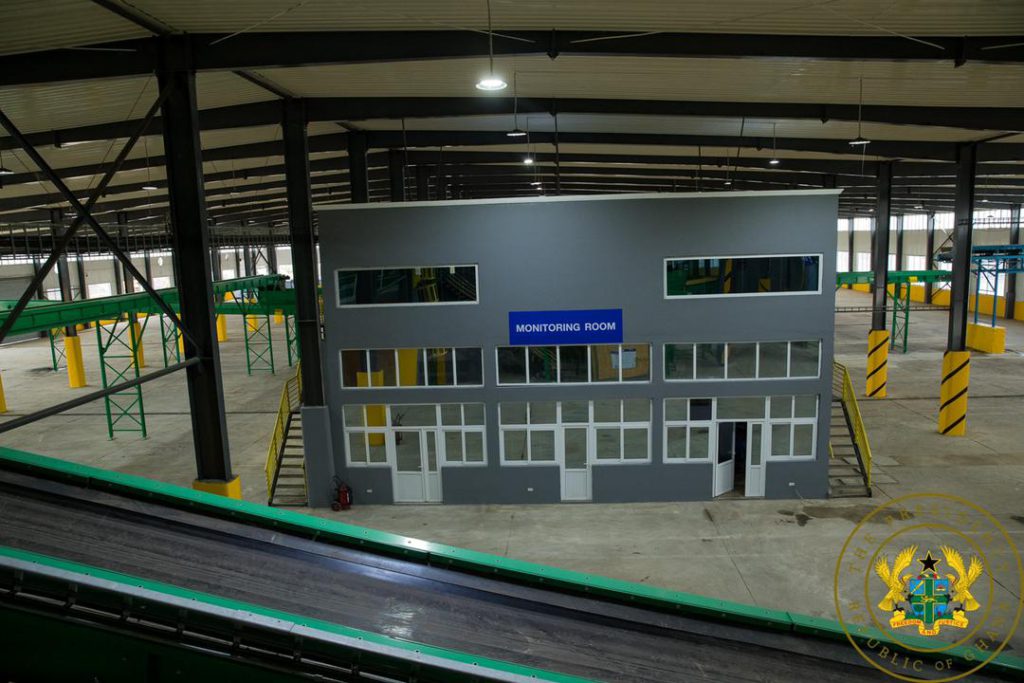
President Akufo-Addo revealed also that Government, in the future, is considering collaborating further with the private sector to provide sanitation infrastructure for the production of refuse-derived fuel in commercial quantities; medical waste processing; waste to energy facility; industrial waste processing; and e-waste processing.
Latest Stories
-
Gov’t to establish Prison Industrial Hub to equip inmates with income-generating skills – Prison Service boss
10 minutes -
Alhassan Tampuli donates cement, roofing sheets to support storm victims in Gushegu
11 minutes -
Alhassan Tampuli appeals for urgent support for storm victims in Gushegu
14 minutes -
The hypocrisy must stop; pass Anti-LGBTQ+ Bill now – Alhassan Tampuli to Mahama
18 minutes -
Imprisonment should be rehabilitative, not punitive – Ghana Prisons boss at UNGA
39 minutes -
Ga Adangbe traditional priests petition Mahama over McDan aviation licence revocation
51 minutes -
Anti-LGBTQ Bill: NDC’s arrogance is worrying – Hassan Tampuli
1 hour -
Let’s give OSP time to mature, not to scrap it – Hassan Tampuli
1 hour -
Nigeria convicts 386 Islamist militants in mass trials
1 hour -
Djibouti president wins election with 97.8% of vote, state media says
1 hour -
We don’t have mandate to deduct tax from rent allowance of security services personnel – Interior Ministry clarifies
1 hour -
Ablakwa receives Presidential Special Envoy on Reparations to advance global agenda
2 hours -
Christina Koch becomes first woman to travel around the moon on Artemis II
2 hours -
Epstein survivors’ calls to meet King Charles and Queen harder to ignore as US visit approaches
2 hours -
UN Secretary-General names Ghana’s Anita Kiki Gbeho as South Sudan envoy
2 hours