


Audio By Carbonatix
Education Minister, Dr. Matthew Opoku Prempeh, has admitted having sleepless nights partly due to the many reforms he is leading in the sector.
The reforms span the government’s free SHS programme, double track system, developing new curriculum for basic schools as well as the introduction of teacher licensure examination.
But as Joy News Fostina Sarfo reports, Dr. Opoku Prempeh, speaking at the Jolly Phonics Conference in Accra Tuesday, told his audience that the enthusiasm in pursuit of the successful implementation of these reforms is depriving him of his beauty sleep.
Also known as "Napo," the Minister said President Nana Akufo-Addo invariably had a question for him regarding the policies being introduced in education anytime they met.
“The last time we met he said ‘What are you doing for teachers? NAPO if we don’t do something for teachers we won’t make headway o.' The next time he said ‘this language thing what is it about?’ The other time it was ‘this curriculum when are you going to finish?’”
The man trusted by the President to head that Ministry however, said despite the challenges, he is happy to lead the reforms in the sector and expressed the determination to see to the successful implementation.
“We have to do free SHS and now double track and we have to do tertiary education and opening it up for more people [students] especially the poor and vulnerable. Four big issues, it keeps me sleepless and I’m always awake,” he revealed.
Click audio attached to listen to the Education Minister:
Jolly Phonics is a fun and child-centred approach to teaching literacy through synthetic phonics.
With actions for each of the 42 letter sounds, the multi-sensory method is very motivating for children and teachers, who can see their students achieve.
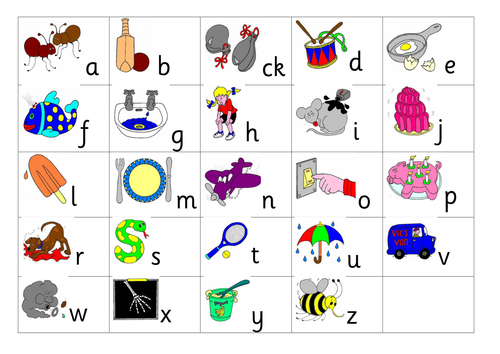
Government is set to roll out the new method in public basic schools across the country to improve the literary skills of children through the use of sounds.
This intervention comes on the back of a survey conducted by the Ghana Education Service which revealed only two percent of basic school pupils can fluently read and understand the English language, the medium in which they are taught.
Latest Stories
-
Family of Nana Konadu Agyeman-Rawlings dismisses circulating ‘will’ as false
1 minute -
Accra ranks 8th most expensive city in Africa in 2026 as cost-of-living pressures persist
4 minutes -
KMA steps up inspection of food joints over sanitation concerns
5 minutes -
Ghanaian PhD scholars suspend UK protest after high-stakes diplomatic talks with High Commissioner
8 minutes -
Latif Iddrisu Case: Police witness struggles to substantiate claim of identification parade
16 minutes -
Water shortage hits parts of Kumasi following Owabi Plant shutdown
30 minutes -
NPP primaries: APL final survey tips Bawumia for clear victory
38 minutes -
Antoine Semenyo and the Ballon d’Or question
42 minutes -
US lawsuit claims WhatsApp can read private messages
48 minutes -
Multimedia Group vs. Kennedy Agyapong: Court adjourns defamation trial to February 11
57 minutes -
1,033 excavators now tracked as government tightens grip on illegal mining
1 hour -
First Sky to build 50 churches nationwide by year-end as solar project advances
1 hour -
Gov’t to roll out Land Banks Initiative to boost large-scale agriculture – Lands Minister
1 hour -
WHO backs Ghana’s health reforms, pledges support
1 hour -
Research in Accra shows 70% of couples struggling with childbirth due to male infertility — Dr Sefogah
2 hours