


Audio By Carbonatix
The Bank of Ghana (BoG) has issued a firm directive prohibiting the photocopying of Ghana Cards for banking transactions, emphasising that biometric verification must be the standard method for identity authentication.
BoG made it clear that photocopying Ghana Cards for customer verification is unacceptable.
This directive aligns with the National Identity Register Regulations, 2012 (L.I. 2111) and highlights the increasing risks associated with outdated verification methods, such as lookup lists and visual inspections.
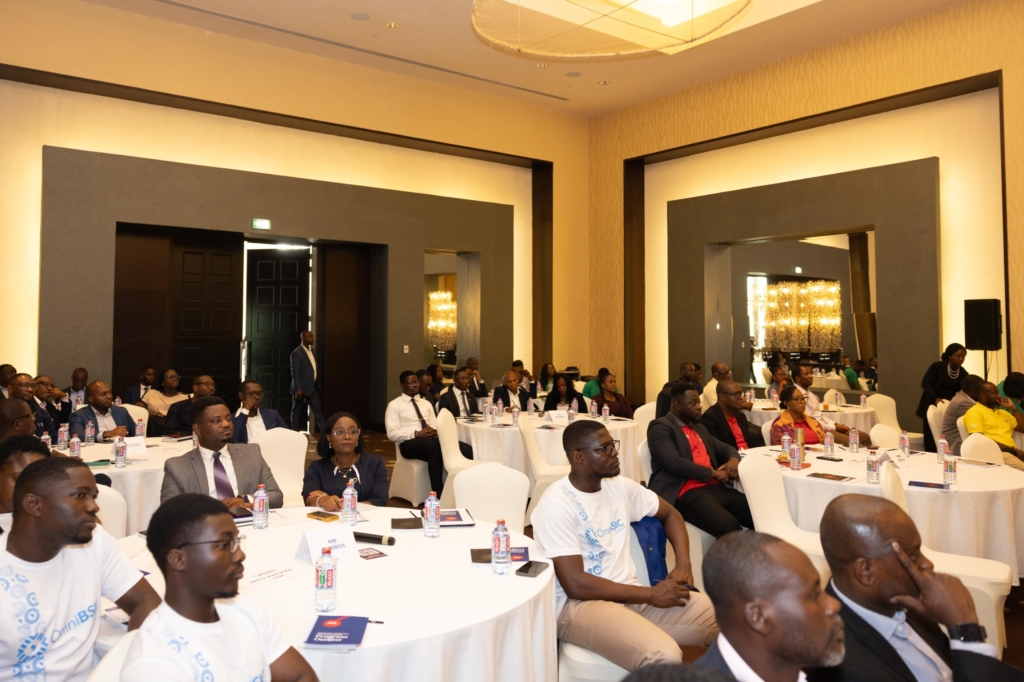
BoG's stance against photocopying Ghana cards
Mr Ashitei Trebi-Ollennu, Deputy Head of the Financial Integrity Office at BoG, emphasised, "We have never said that banks should photocopy Ghana Cards. Photocopying creates room for fraud and compromises the integrity of transactions."
He added that banks must authenticate identities directly through the biometric verification system, which is linked to the National Identification database, ensuring a secure and reliable financial ecosystem.
This position was reinforced during a stakeholder engagement in Accra, organised by Identity Management Systems II (IMS II) Ltd. in collaboration with the National Identification Authority (NIA).
The event, themed “Protect Every Transaction with Biometric Verification,” brought together the Bank of Ghana, the Ghana Association of Banks, the National Identification Authority, and representatives from the 25 universal banks in Ghana to discuss the critical role of identity verification in securing financial transactions.
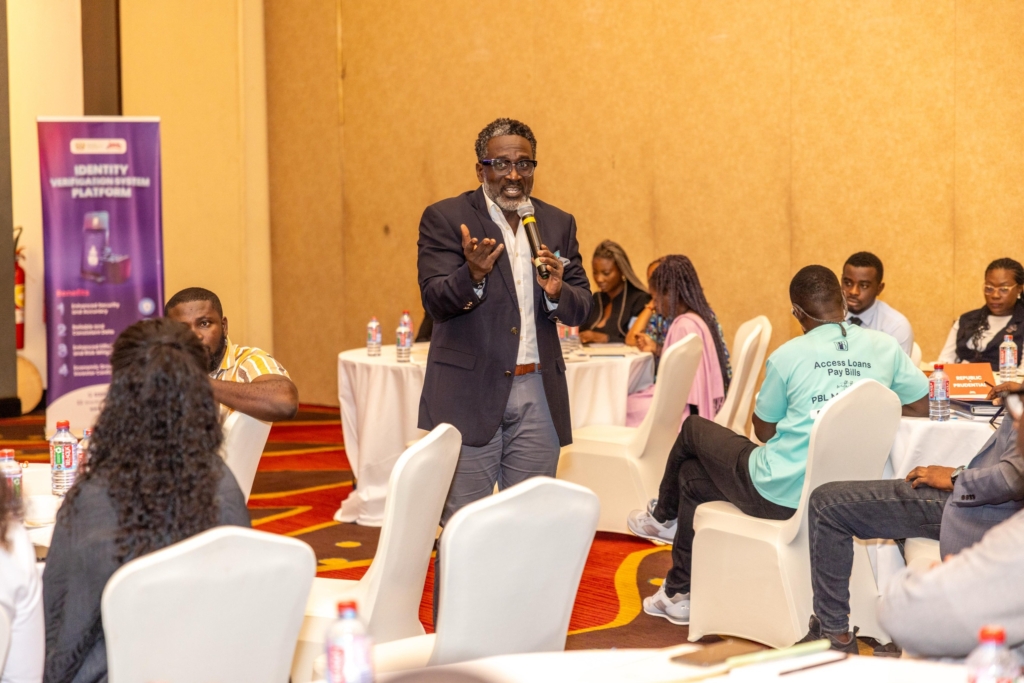
Real-time biometric verification benefits
Real-time biometric verification prevents identity theft and impersonation, eliminates reliance on easily forged physical documents, ensures real-time authentication with National Identity Register (NIR) records, and aligns with both national and international security standards.
The shift towards biometric identity management
James Cantamantu-Koomson, Executive Director of IMS II Ltd, highlighted the fundamental shift in identity management, stating, "The way we do things is changing. Identity is at the centre and the engine of our financial system. The database that the National Identification Authority has gathered is one of the most powerful assets we have as a country."
His remarks underscored the need to transition from traditional manual processes to a multi-modal biometric verification approach that addresses security vulnerabilities.
Enhancing collaboration between financial institutions
The engagement fostered a productive dialogue between the Bank of Ghana, the Association of Banks, the National Identification Authority, and representatives from all universal banks. Banks provided valuable feedback on how the exchange of information could be enhanced to streamline verification processes and improve efficiency.
The National Identification Authority also re-emphasised its legal mandate. Teresa Eson-Benjamin, Head of the Legal Directorate, stressed the law that establishes the Ghana Card as the sole form of identification for banking transactions. This clarification was crucial in ensuring that all financial institutions fully align with the legal framework governing identity verification in Ghana.
The importance of biometric verification
The discussions highlighted biometric verification as the most secure form of authentication, eliminating fraudulent activities associated with photocopied Ghana Cards. The event called for financial institutions to fully transition to biometric-based verification, ensuring that Ghana’s financial sector remains robust, fraud-proof, and aligned with international best practices.
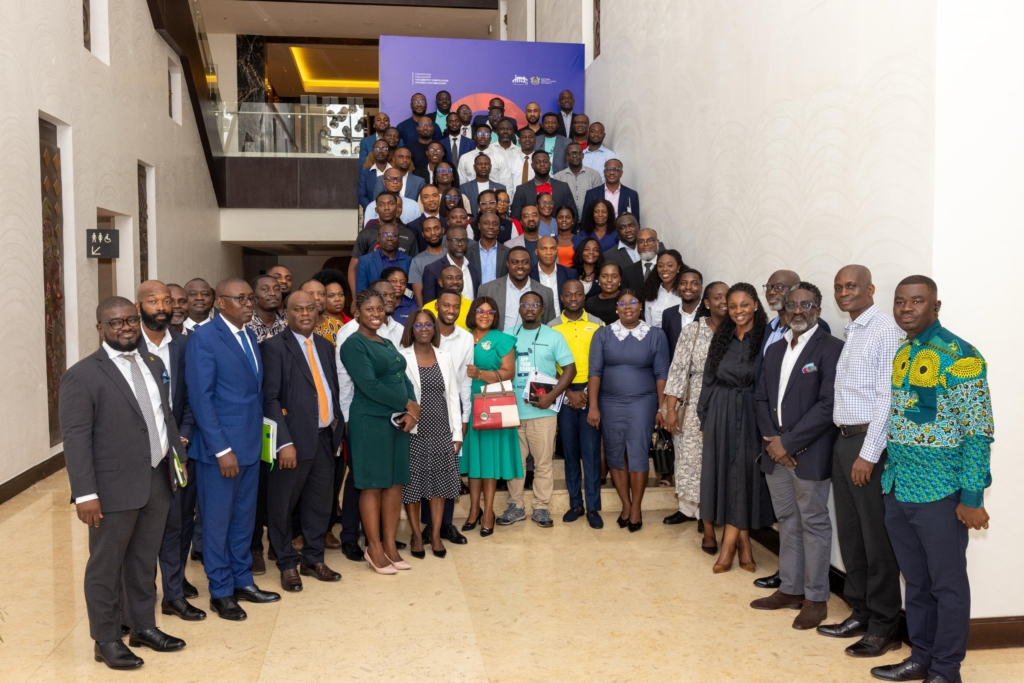
Key figures in attendance
The engagement was attended by key figures such as Mr. John Awuah, CEO of the Ghana Association of Banks (GAB); Audrey Mireku (Banking Operations, Risk & Cybersecurity); Mr. Ashitei Trebi-Ollennu (Deputy Head of Office, Financial Integrity Office of BoG); and Ms. Naa Welbeck (Head of the Supervision Unit, Financial Integrity Office of the Bank of Ghana). Also present were legal, technology, and biometric experts from the NIA, along with executives from all 25 universal banks in Ghana.
Strengthening trust through biometric authentication
By the end of the engagement, there was a clear consensus: "Trust but verify" must be the guiding principle in Ghana’s financial sector. The commitment to biometric authentication will not only protect transactions but also reinforce Ghana’s position as a leader in secure digital identity verification.
Latest Stories
-
Anti-LGBTQ Bill: Forget the rumour mongers, I’m a man of action, and will pass the bill – Speaker
23 minutes -
Women and children among those killed in Sudanese army shelling of wedding celebration
26 minutes -
President Mahama is not sincere with Ghanaians on LGBTQ bill matter – Hassan Tampuli
44 minutes -
Gov’t to establish Prison Industrial Hub to equip inmates with income-generating skills – Prison Service boss
1 hour -
Alhassan Tampuli donates cement, roofing sheets to support storm victims in Gushegu
1 hour -
Alhassan Tampuli appeals for urgent support for storm victims in Gushegu
1 hour -
The hypocrisy must stop; pass Anti-LGBTQ+ Bill now – Alhassan Tampuli to Mahama
1 hour -
Imprisonment should be rehabilitative, not punitive – Ghana Prisons boss at UNGA
2 hours -
Ga Adangbe traditional priests petition Mahama over McDan aviation licence revocation
2 hours -
Anti-LGBTQ Bill: NDC’s arrogance is worrying – Hassan Tampuli
2 hours -
Let’s give OSP time to mature, not to scrap it – Hassan Tampuli
2 hours -
Nigeria convicts 386 Islamist militants in mass trials
2 hours -
Djibouti president wins election with 97.8% of vote, state media says
2 hours -
We don’t have mandate to deduct tax from rent allowance of security services personnel – Interior Ministry clarifies
2 hours -
Ablakwa receives Presidential Special Envoy on Reparations to advance global agenda
3 hours