

Audio By Carbonatix
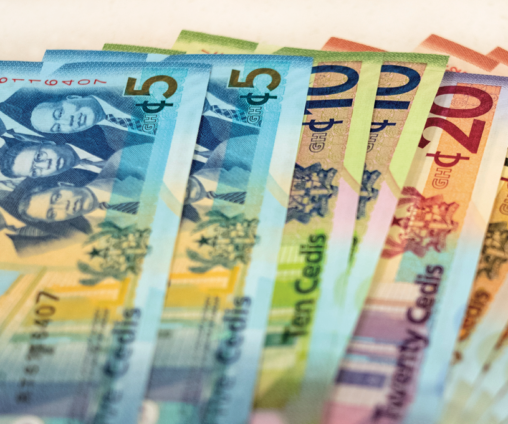
Ghana’s cedi is the eight best performing currency on the African continent despite starting the year as the best performing currency in the first two months.
It is, however, second in the ECOWAS sub-region, behind the CFA franc, among currencies tracked by joy Business.
It has witnessed both quicker and slow runs so far this year, but December Presidential and Parliamentary elections are expected to pose further downside pressures on the local currency.
This is so because foreign investors will adopt an uncertain posture though Ghana’s elections have been successful since 1992.
The CFA franc, used by eight ECOWAS countries, is the best performing currency on the African continent with an appreciation of 5.69% against the US dollar .
It is followed by the Moroccan dirham (4.03%), Tunisian dinar (2.39%) and Egyptian pound (0.70%) which have all increased in value against the American currency year-to-date.
Additionally, the Tanzanian shilling (-0.42%), the Ugandan shilling (-0.14%) and the Malawian kwacha (-1.49%) have all also fared better than the cedi though have lost value to the dollar.
On the other hand, the cedi has done better than the Kenyan shilling (-6.44%), Nigerian naira (-19.24%) and the South African rand (-19.51%) on the continent.
The announcement by the Bank of Ghana to banks to hold onto dividend payments and other measures appears to have helped the cedi’s performance this year.
The partial lockdown of the economy also caused some reduction in trading activities on the foreign exchange market, thus keeping a certain level of stability.
Together with other currencies, the local currency also had profited from low demand pressures, largely because of the covid-19 pandemic due to reduction in imports.
However, recent uptick in corporate demand for forex coupled with disinvestments of some cedi denominated securities by foreign investors is a major concern going forward.
Currency and Economic Analyst at Databank, Courage Martey, tells Joy Business “the cedi has maintained a very stable performance since then [partial lockdown], and we haven’t seen any disruptions to the performance of the cedi on the market.
"Investors generally expected a lot of the numbers [macroeconomic indicators]that came out and so there wasn’t much shock that will be priced into the exchange rate as a result of the midyear budget.’
Furthermore, he said “the cedi has maintained quiet stable performance on the market. On the retail market it has actually gained about 0.1% since the mid-year budget review. On the interbank market it has rather lost 0.1%.
Forecast
Based on the current trend, the cedi is expected to end 2020 with a year-to-date depreciation of less than 5.0%. This would be however better than the 8.33% loss over the same period last year.
Latest Stories
-
Publican AI system doesn’t determine values, it flags suspicious transactions – GRA Boss
5 minutes -
Balancing the scales: McDan Aviation, E&P, and politics of opportunity in Ghana’s economy
9 minutes -
GRA credits Publican AI system for exposing GH¢11bn port leakages
13 minutes -
Owabi, Barekese water plants face shutdown threat over pollution and power outages
21 minutes -
Catholic Bishops call for national dialogue on LGBTQ debate
25 minutes -
Softcare FM Manufacturing Ltd backs Consumer Health Week, pushes science-driven care agenda
26 minutes -
The Eyes of Ghana to premiere in April, spotlighting rare Nkrumah-era footage
29 minutes -
$31bn transferred without matching imports in five years — GRA boss
43 minutes -
JoyNews Impact Maker, Williams Akongbabre, presents award to people of Bawku West
43 minutes -
Kenya backs Morocco’s autonomy plan for Western Sahara, signals push for implementation
50 minutes -
Hip-hop pioneer, Afrika Bambaataa, dies aged 68
58 minutes -
Let OSP defend itself in Supreme Court case — Prof Prempeh
1 hour -
Emmanuel Kweenu Haizel aka Simpa Panyin
1 hour -
Police foil planned highway robbery in Ashanti Region, one suspect shot dead
1 hour -
Sunyani Technical University dismisses 3 students over examination malpractice
2 hours