

Audio By Carbonatix
The future of Ghana’s industrial transformation may well be taking shape along the shores of the Songor Lagoon. In an era where nations compete aggressively for investment and industrial relevance, Electrochem Ghana Limited has quietly built a compelling case for why strategic capital allocation can unlock extraordinary economic value.
Economic history teaches that nations achieve sustainable growth when they identify and aggressively develop sectors where they possess natural advantages. Ghana’s salt industry represents one such opportunity, and Electrochem’s work at Songor demonstrates what can be achieved when vision is matched with execution.
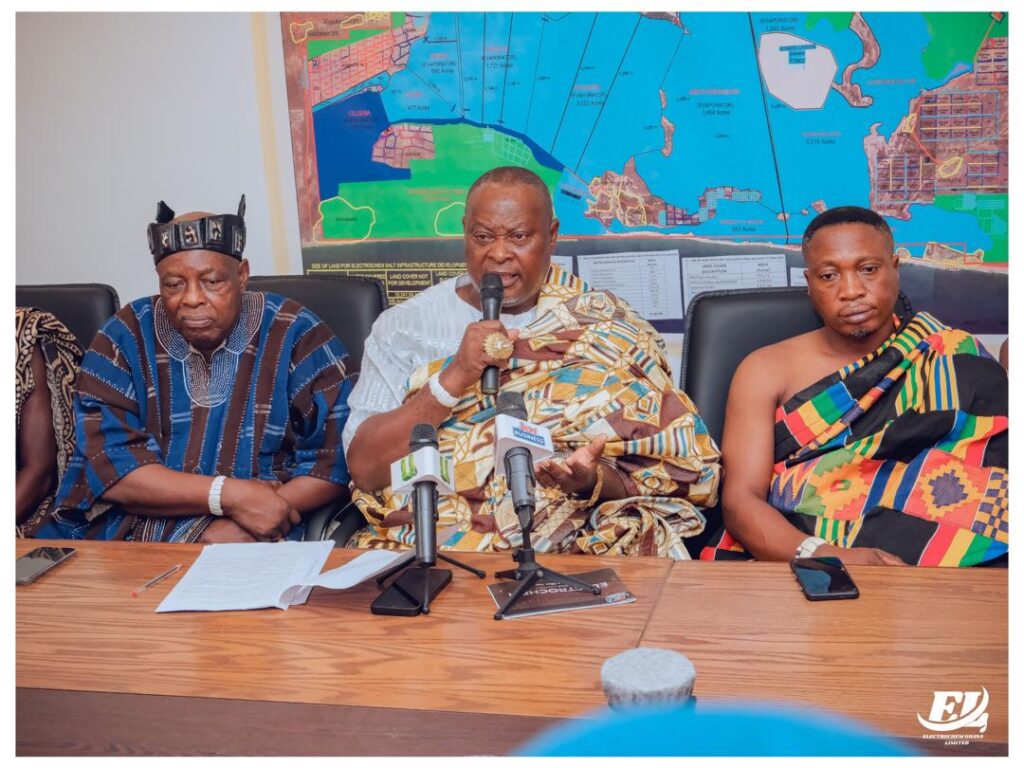
For decades, the Songor Salt resource remained underexploited. Despite its vast reserves and strategic location, the industry lacked the scale and investment required to compete globally. Electrochem inherited not only an opportunity but also a complex environment requiring substantial stakeholder management and community engagement.
The company spent two years engaging stakeholders and another two years working directly with communities before production began. Millions of cedis were spent on several stakeholder compensations to facilitate a peaceful transition and implementation of the project.
Challenges nevertheless emerged, ranging from operational disruptions to financing constraints. Community agitations, additional financing and operational disruptions are some challenges that the company has struggled with over the years. Yet management persisted with a long-term strategy focused on sustainability and shared prosperity.
Electrochem’s development footprint is now visible across Ada. Community pans, water projects, roads, the Lolonyo public toilet facility, sports infrastructure, scholarships, widowhood support initiatives, health and safety campaigns, flood mitigation measures and a GH¢4 million Women Support Scheme collectively demonstrate a commitment to inclusive development rarely seen at this scale.
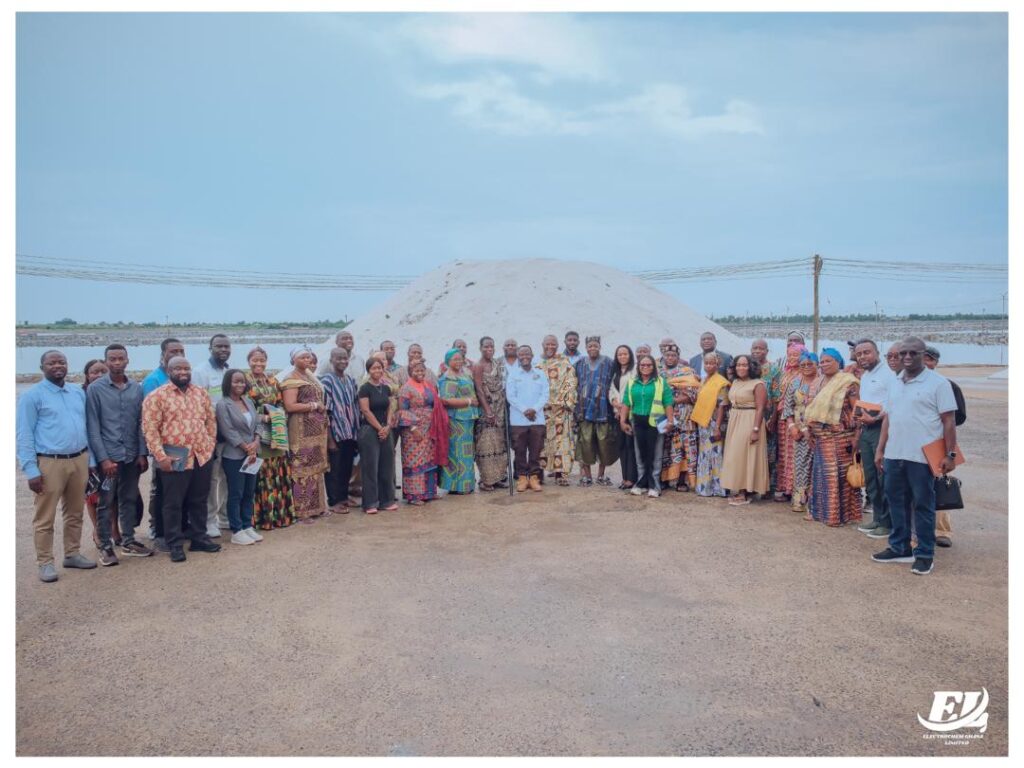
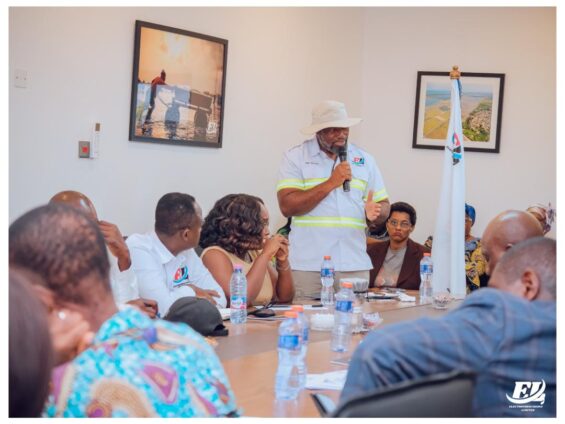
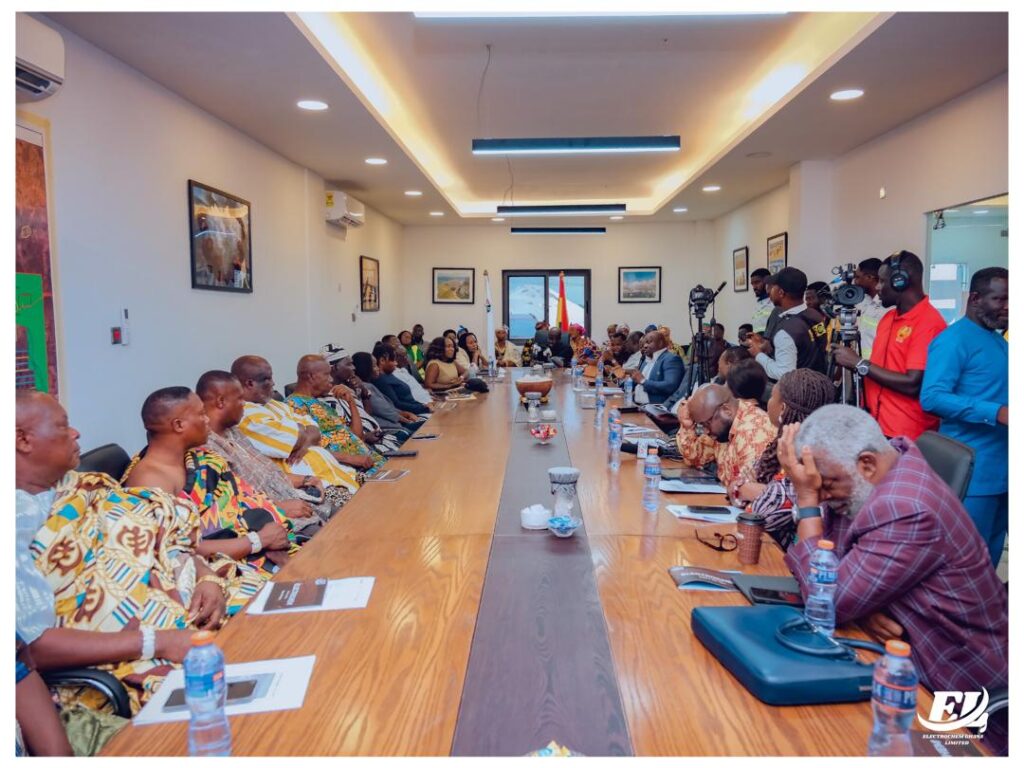
These achievements became evident during a recent stakeholder engagement and media tour involving journalists, CSOs, Ada traditional leaders and investment stakeholders. After touring facilities and viewing documentary evidence of the transformation that has taken place, media representatives openly applauded the company’s achievements.
Many participants argued that a stronger partnership involving MIIF and other strategic investors would enable Electrochem to accelerate expansion and maximise the value of the Songor resource.
Board Chairman Prof. Kofi Abotsi reiterated that investment decisions must remain aligned with the interests of the Ghanaian people and contribute meaningfully to national development. His remarks resonated strongly with stakeholders who view Electrochem as a model for responsible industrial growth.
The path forward is increasingly clear. Electrochem requires at least US$60 million in additional capital to be fully operational and complete Phase One into mechanisation. The returns from such investment would extend far beyond company profits; it would also lead to creating jobs, boosting exports, supporting local industries and elevating Ghana’s standing within the global salt market.
The transformation of Songor has already begun. What remains is the collective courage of investors, policymakers and development partners to provide the financial fuel needed to complete the journey. Future generations may well look back at this moment as the point when Ghana chose to invest in its own potential and transformed a natural resource into a lasting symbol of national progress.
Latest Stories
-
GNAT pushes for clear implementation procedures of teachers’ conditions of service
2 minutes -
Recurrent strikes threaten quality of education and academic calendars – Prof Bokpin
6 minutes -
‘Cockroach’ group leaders among hundreds detained in Delhi protest
9 minutes -
Don’t let speed of information become your judgement – CJ tells new lawyers
48 minutes -
World Cup visa scandal: People have leveraged public office to facilitate fraud – Senyo Hosi
53 minutes -
Glut! Farmers count losses as prices crash, customers happy
1 hour -
GSA postpones auction of unserviceable vehicles
2 hours -
Man charged with attempted murder after stabbing
2 hours -
World Cup visa scandal: Senyo Hosi says issue goes beyond calls for Sports Minister’s resignation
2 hours -
Yaw Ampofo Ankrah hasn’t taken or received any money to facilitate visas – Lawyer insists
2 hours -
World Cup visa scandal: Senyo Hosi urges focus on constitutional accountability
2 hours -
La Beach demolition: Senyo Hosi condemns lack of consultation
2 hours -
Russian glide bomb attack on Zaporizhzhia kills at least 15 people
2 hours -
Jinapor warns underperforming energy sector CEOs of consequences, says no protection for failure
2 hours -
Fire destroys head of tipper truck on Lower Volta Bridge
2 hours