

Audio By Carbonatix
Convener of the Individual Bondholders forum, Senyo Hosi, has noted that there is a lack of equity in the debt exchange programme.
According to him, people who have invested their monies in bonds should not be the only ones suffering from the debt restructuring programme, as this places a disproportionate responsibility on them to support the economic recovery exercise.
“You may have kept your money rather in the bank and invested in government bonds. He may have just decided that he’ll rather keep his money and go and invest in properties, but at the end of the day, we have a problem to solve together.
"Why should it be you who going to put your money in the bonds be the one to suffer and not the one who put his money in the property? There’s an equity problem there,” he said.
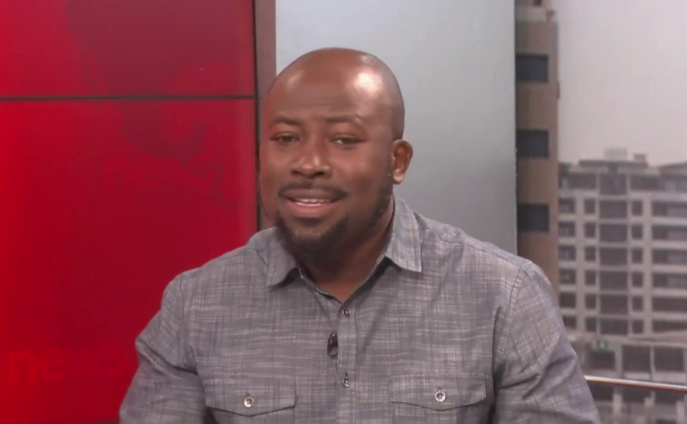
Speaking on JoyNews’ Newsfile, Mr Hosi explained the plight of individual bondholders, saying that the monies used in the bonds are from households where many family members depend on it.
He says providers of loanable funds are mainly household individuals and that these funds which are savings from households drive the economy.
Therefore, including these bondholders in the economic recovery programme without careful consultation could cripple them financially.
He explained that the government needs bondholders more than bondholders do government, and as such must be strategic in its mode of communication in the quest to execute the debt exchange programme.
According to him, government must not disrupt household individuals’ confidence in the financial sector else it could impede access to loanable funds which in turn could disrupt the economy.
Individual bondholders have been requesting their exclusion from government’s debt exchange programme.
Some have indicated that they have suffered enough of the economic hardship and that their inclusion in the programme would exacerbate their conditions.
They say they can no longer make further sacrifices unless government returns some commissions made on their monies. Issues have also been raised on the subject of burden sharing as bondholders believe that government is refusing to bear any portion of the burden at all.
Meanwhile, others think that what may be causing a problem in reaching an agreement with the government could be the mode of communication, especially on the part of government, saying government has not been transparent and sincere.
Latest Stories
-
Berekum Chelsea edge Aduana FC in Bono derby to boost survival hopes
2 hours -
‘They can’t control the team’ – Ernest Thompson doubts local coaches for Black Stars role
3 hours -
Ghana-born midfielder Seidu realises ‘dream’ with Atlético Madrid debut
3 hours -
GPL 2025/26: Bubakari strikes late to hand All Blacks vital win over Dreams FC
3 hours -
Fatal crash on Kintampo–Tamale highway claims four lives
3 hours -
2025–26 FA Cup Semifinal Draw: Chelsea, Man City Learn Wembley Opponents
3 hours -
GPL 25/26: Gold Stars back on top after beating Nations FC
4 hours -
GPL 2025/26: Heart of Lions roar back with victory over Vision FC in Kpando
5 hours -
Solomon Agbasi: Hearts keeper in stable condition after concussion
5 hours -
GPL 2025/26: Late Salim Adams penalty earns Medeama draw at Bechem
5 hours -
Hearts pip Young Apostles 1-0 to end 5-game winless run
5 hours -
Boakye Agyarko marks Easter Sunday with a call for Godly leadership ahead of nationwide campaign tour
6 hours -
Pepsi withdraws as UK festival sponsor after Kanye West backlash
6 hours -
Pope Leo calls for global leaders to choose peace in his first Easter Mass
6 hours -
Kpando MP highlights progress on road projects
7 hours