

Audio By Carbonatix
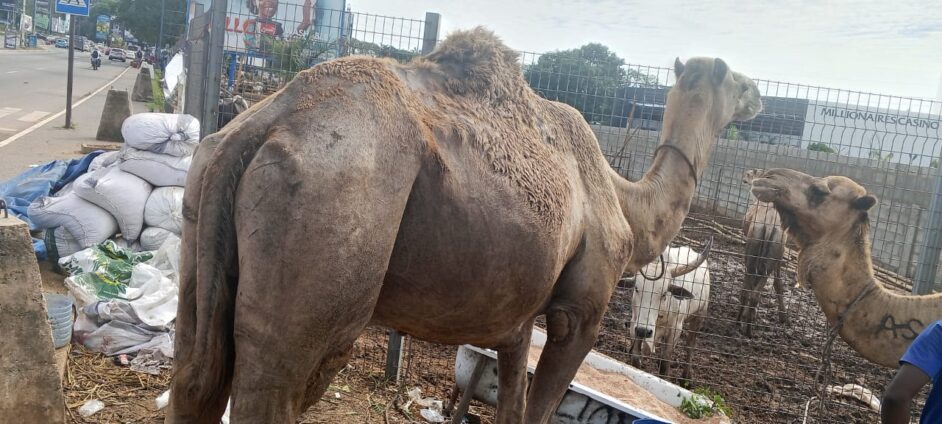
When the Sahara sends you a memo, it comes on four legs, chewing cud. Desert animals have shown up in the cocoa, rainforest country of Ghana.
Ghana, land of cocoa, gold, and timber, now has camels. Ghana expected rains in the month of May; it did not expect humpback taxis in Accra.
Camels in Ghana are proof that geography has a sense of humour and climate has a plan. The unexpected camel is not lost. It is a reminder that borders are lines on paper, but ecosystems don't read maps. A nation's memory must have room for the unplanned. The unexpected has arrived. Let's take notes, not just photos. Today camels, tomorrow solutions. Record it before the camels leave. Statecraft is not tested by what is planned. It is tested by camels that were not on the protocol list.
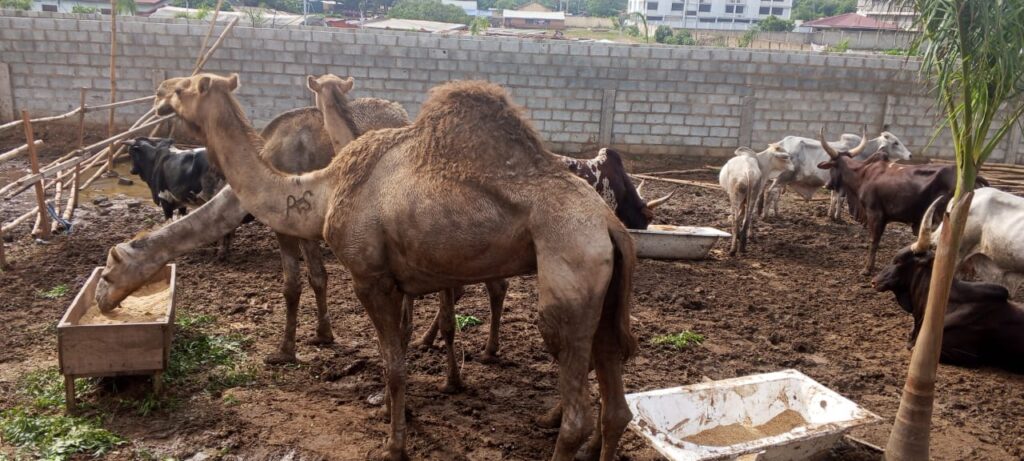
When the unexpected walks in, wisdom asks, 'Why are you here?' before it asks, 'How do we chase you out?' Camels in Ghana are not a joke. They are a message from the Sahel, delivered without postage. Ghana, the unexpected has not knocked. It has sat down in your compound. The CSIR-Animal Research Institute must be interested in this.
What happens when desert livestock meets rainforest farming? The institute needs to add the desert visitors to animals to its terms of reference. It is reported that Camel meat is leaner than beef, and contains more iron than mutton. CSIR-ARI can study the dairy potential of this animal, which is a major export commodity.
Camels don't buy plane tickets. They walk. So when humped strangers start shading under mango trees in Tamale and drinking from dugouts in Bolgatanga, it means the Sahel has changed its address. This is not migration. This is an eviction. The Sahara has packed its bags, and the first thing it sent ahead is its taxi, the camel.
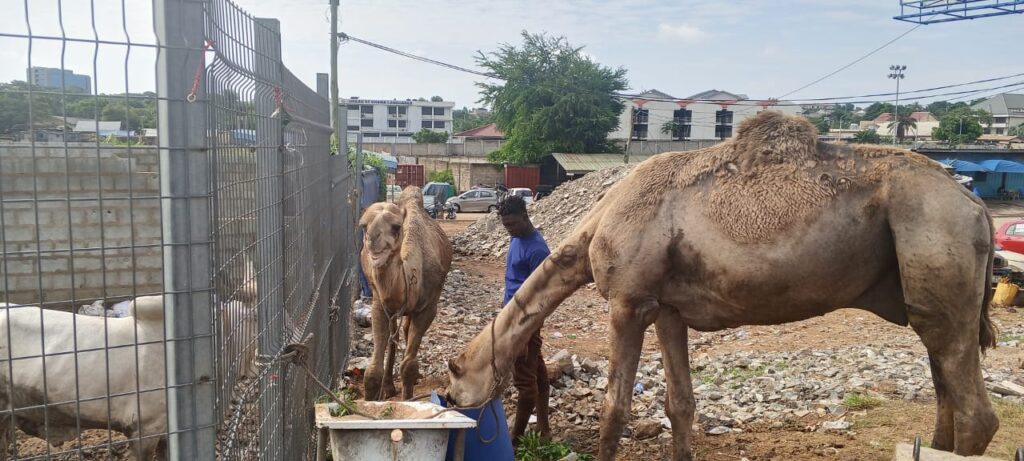
The lizard that falls from the iroko tree nods to itself. If the Camel reaches Accra, the desert is nodding at us. You don't see smoke without fire. You don't see camels without a dying Sahel. When your neighbour's beard catches fire, you fetch water for yours. The Sahel's beard is smoking, Ghana - where is your bucket? Imagine this.
A camel, an animal of sand and silence, is chewing slowly beside a trotro station playing Shatta Wale. This does not present just a photo opportunity. That is a climate alarm with legs. Can Ghana turn the mystery to cash? Camel milk, tourism, and leather.
If they came to stay, do we tax the hump? The camel hump is not meat. It is fat storage, sometimes called the desert butter. I ate camel meat when I went to Libya in 2006 and 2009. I was served the meat in the tent of the Libyan Head of State and in the restaurant of the hotel I lodged. After 12 days, I asked the hosts if the meat was beef.
They said it was that of a camel - ooouch. In Arabic, camel meat is called lahm-al-jamal. And would Accra butchers mull putting camel side by side with beef on their blocks? If camels arrived without a visa, what else is the climate smuggling into Ghana? We need a Black Swan desk in power corridors. Ghanaians love selfies. But, a camel selfie today without a policy selfie tomorrow means we celebrated the messenger and ignored the message.
By Napoleon Ato Kittoe
Latest Stories
-
Schizophrenia-related disorders lead mental health cases recorded in Ghana
14 minutes -
Dutch authorities enlist Ghana in hunt for fugitive drug lord Bolle Jos
38 minutes -
Ghana housing finance conference adopts communiqué to improve affordable housing access
5 hours -
Special Initiatives Minister urges Wa Technical Institute to enrol more girls as EU-backed solar training lab opens
5 hours -
In the matter of my first year at the Bar
6 hours -
ActionAid Ghana calls for an end to child marriage, greater investment in girls’ rights
6 hours -
Newsfile to tackle World Cup visa scandal, beach demolitions, education strikes, BRICS bid
6 hours -
UK-Ghana Trade & Investment Summit: Trade Resource Centre to help businesses maximise UK-Ghana trade opportunities
6 hours -
Embassy of Denmark celebrates World Maritime Day
7 hours -
Linking LEAP to productive inclusion could cut extreme poverty by 2030 – UNICEF
8 hours -
Trade Ministry backs use of creative arts to rehabilitate prison inmates
8 hours -
Negotiations with government to continue despite strike suspension – GNAT
8 hours -
‘Ghana cannot afford to waste public resources; every cedi has a job’ – Ato Forson
8 hours -
Ghana expects economic boost as World Assemblies of God Congress brings 10,000 delegates to Accra
8 hours -
Joy in Nayilifong as Farouk Aliu Mahama donates 100kVA transformer to improve power supply
8 hours