

Audio By Carbonatix
The Ashanti Regional Health Directorate has joined the Epilepsy Community in commemorating International Epilepsy Day, which is observed on the second Monday of February each year.
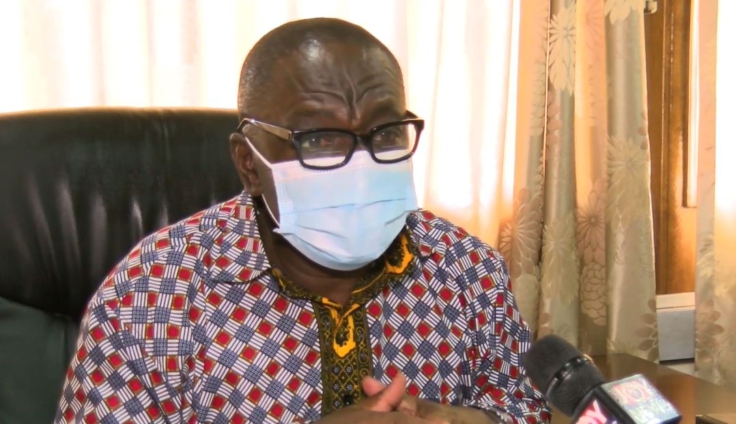
Dr Rita Larson-Reigndorf, the Deputy Health Director in Charge of Clinical, told the press in Kumasi that the day is marked to relieve public fear and ignorance, prejudice, and social stigma associated with epilepsy.
“International Epilepsy Day seeks to raise awareness and educate the general public on the true facts about epilepsy and the urgent need for improved treatment, better care, and greater investment in research,” she said.
Dr Larson-Reigndorf says many patients of epilepsy are living their lives in the shadows for the fear of being stigmatised, hence reluctant to speak out.
According to her, epilepsy is a chronic non-communicable disease of the brain that affects people of all ages and has no effect on anyone who comes in contact with the patient.
As the 2022 International Epilepsy Day coincides with Valentine’s Day, a season to show love, the epilepsy community is expecting the world to show love to epileptic patients, hence the theme: “Friendship with Inclusion”.
Sixty-five million people around the world live with epilepsy making it one of the most common neurological conditions.
In Ghana, an estimated one per cent (300,000 people) of the population live with epilepsy and only 15 per cent of those diagnosed are on treatment.
For six out of ten people with epilepsy, the cause is unknown.
Dr Larson-Reigndorf says it is possible to diagnose and treat most people with epilepsy at the primary healthcare level without the use of sophisticated equipment.
“A lot can be done to improve the quality of life of the people with epilepsy. It is possible to diagnose and treat most people with epilepsy at the primary healthcare level without the use of sophisticated equipment.
"For many people living with epilepsy, the misconception and discrimination can be more difficult to overcome than the seizure themselves,” she noted.
Ashanti Regional Health Director, Dr Emmanuel Tinkorang, wants the public to open their arms to people living with epilepsy to make them feel belonging.
Ghana is one of the countries that have achieved the WHO Programme on reducing the epilepsy treatment gap and the mental health Gap Action Programme (mhGAP).
These projects have focused on expanding the skills of primary care and non-specialist health providers at the community level to diagnose, treat and follow up people with epilepsy.
These pilot programmes have led to a considerable increase in access to treatment for epilepsy.
Latest Stories
-
Come down and account, it’s a constitutional requirement – Martin Kpebu to Ofori-Atta
2 minutes -
The power of the private courtyard: How regalia is redefining resort-style living in Accra
14 minutes -
Beyond roads and bridges: Understanding the true role of your MP
15 minutes -
UK says Russia ran submarine operation over cables and pipelines
16 minutes -
NPRA recovers GH¢27m in 2025, 30% of defaulted pension contributions
19 minutes -
Power fluctuations slash Ashanti region water production by 959,000 cubic metres in March
24 minutes -
Beyond the festivities: Gomoa must turn visibility into development
32 minutes -
DVLA clarifies it is not responsible for Toyota Voxy commercial operations
34 minutes -
Calls for Ofori-Atta’s return a non-issue if trial proceeds in absentia – Pius Hadzide
36 minutes -
France names Ghana first beneficiary of newly established National Health Compact
42 minutes -
US Immigration, extradition outcomes likely to influence each other in Ofori-Atta case – Amanda Clinton
45 minutes -
29-year-old woman rescued after hiding in drain to escape attackers
59 minutes -
Gramps Morgan names Ghanaian business leader Monalisa Effah as Ghana-Jamaica Homecoming Ambassador
2 hours -
CAF President urges faith in African football despite AFCON 2025 issues
2 hours -
AFCON U-17: Black Starlets’ aim is to win trophy – Head Coach Prosper Ogum
2 hours