

Audio By Carbonatix
For years, families in the Nandom Municipality lived with a daily reality of unsafe sanitation, unreliable water supply and limited economic opportunities.
Pregnant women carried buckets of water to health facilities before receiving treatment, schoolchildren risked encounters with snakes while searching for places to relieve themselves, and many women struggled to earn a stable income.
Today, that story is changing through the Healthy Future for All Phase II (HF4A II) project, implemented by SNV Ghana with funding from the Leona M. and Harry B. Helmsley Charitable Trust.
The initiative is providing water, sanitation and hygiene (WASH) infrastructure while also equipping women with business skills and financial support to improve their livelihoods.
At Nandom English and Arabic Basic School, poor sanitation facilities once posed a serious threat to pupils and teachers.
The school had only one dilapidated community toilet, forcing many pupils to resort to open defecation in nearby bushes.
Headmistress Ibrahim Aisha said the situation exposed children to significant risks, especially during the rainy season.
"The environment is not always conducive. There was even a day a crocodile had to attack an animal there when we were sitting here," she recalled.
"When it rains like this, the place gets flooded, and because of that, there are reptiles around."
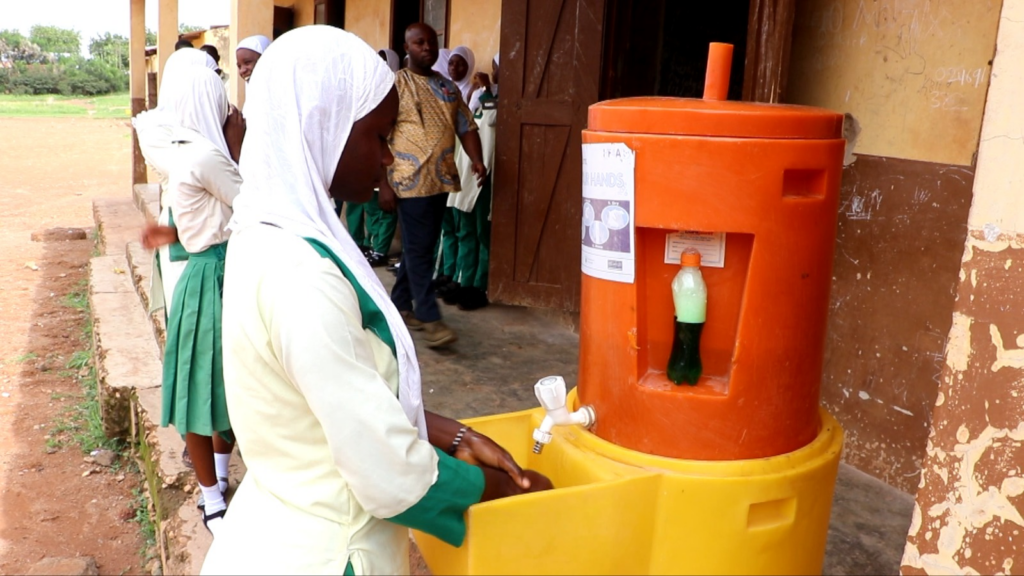
Form Two student Abdul Samed Mohammed said the bushes were home to dangerous animals.
"One day, one of my friends even encountered a snake. Luckily, we killed it," he said.
The lack of proper sanitation facilities affected girls the most. Without private changing rooms, many female students missed classes during their menstrual periods.
"Sometimes if we go home, we don't come back again because the way to the house is sometimes far," Form Two student Abdullah Khadijah explained.
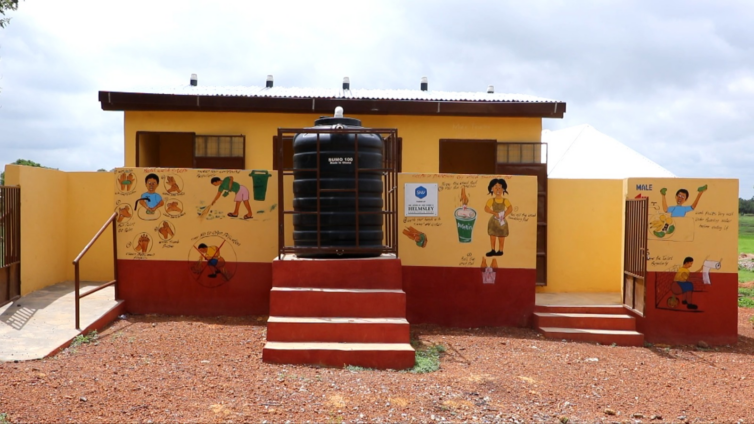
To improve the situation, SNV Ghana partnered with the Ghana Education Service to construct gender-inclusive sanitation facilities in 26 schools across the municipality.
Project Manager for HF4A II, Theresa Swanzy Baffoe, said the facilities were designed with the needs of girls in mind.
"For each of the facilities on the girls' side, we have a changing room to ensure that we have a safe place for our daughters to also change and feel safe in their schools," she said.
The impact of the project extends beyond schools to health facilities such as the Piiri Health Centre, which serves about 6,708 residents.
Since its establishment in the 1990s, expectant mothers had to carry their own buckets of water before they could receive maternal care.
Staff Nurse Ziema Paul Sunkari said the lack of water placed an unnecessary burden on pregnant women and created challenges for health workers.
"They're pregnant, and you are adding them another burden," he said.
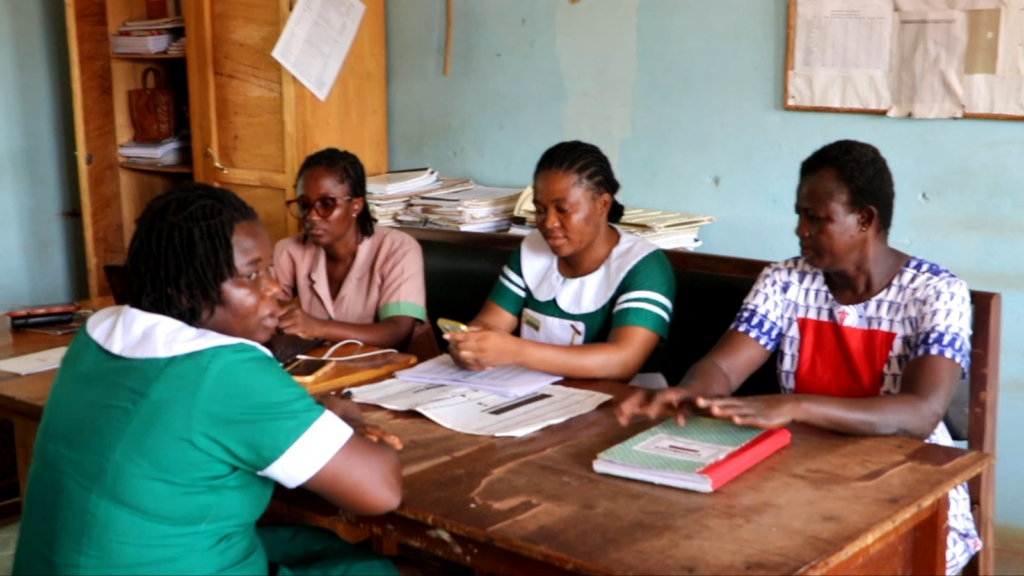
The situation also affected emergency care for children, especially those suffering from high fevers.
Mr Sunkari explained that health workers sometimes struggled to find enough water for tepid sponging, a simple but essential procedure used to reduce body temperature and prevent convulsions.
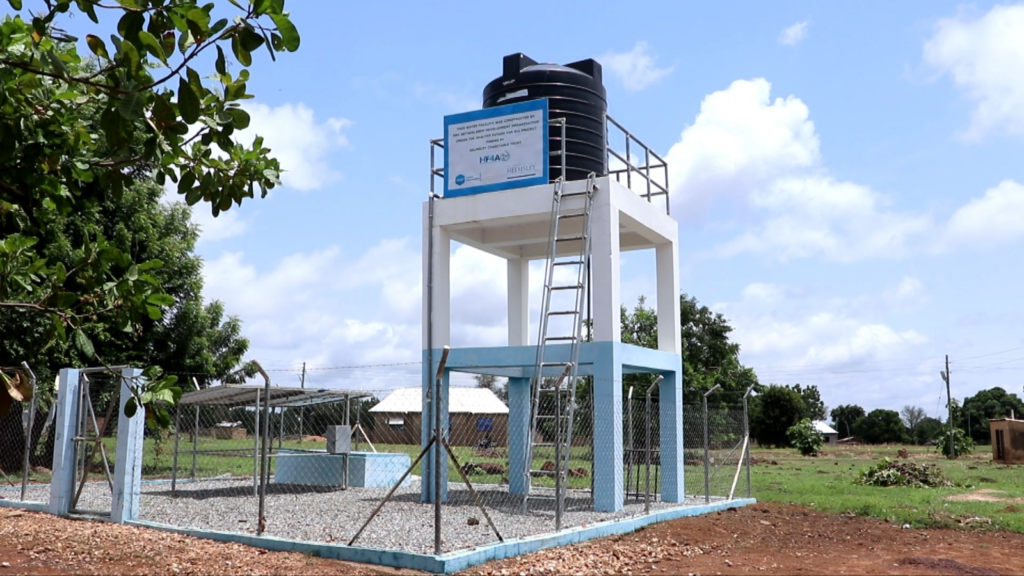
Following the installation of a solar-powered mechanised water system by SNV Ghana, the facility now enjoys a reliable water supply.
The new system also ensures continuous water for sterilising medical instruments and has removed the need for pregnant women to carry heavy containers before receiving treatment.
Community member Thadeus Siemolu recalled how the entire community once depended on only two boreholes.
The extended water network has since brought relief to residents and improved access to clean water for households and the health centre.
Expectant mothers such as Justina Kaba can now visit the clinic without worrying about carrying buckets of water.
Beyond improving access to water and sanitation, SNV Ghana is helping women become financially independent through skills training and access to credit.
Members of the Kelegang Enye Women Group 1 have established a thriving liquid soap production business after receiving support through a revolving fund.
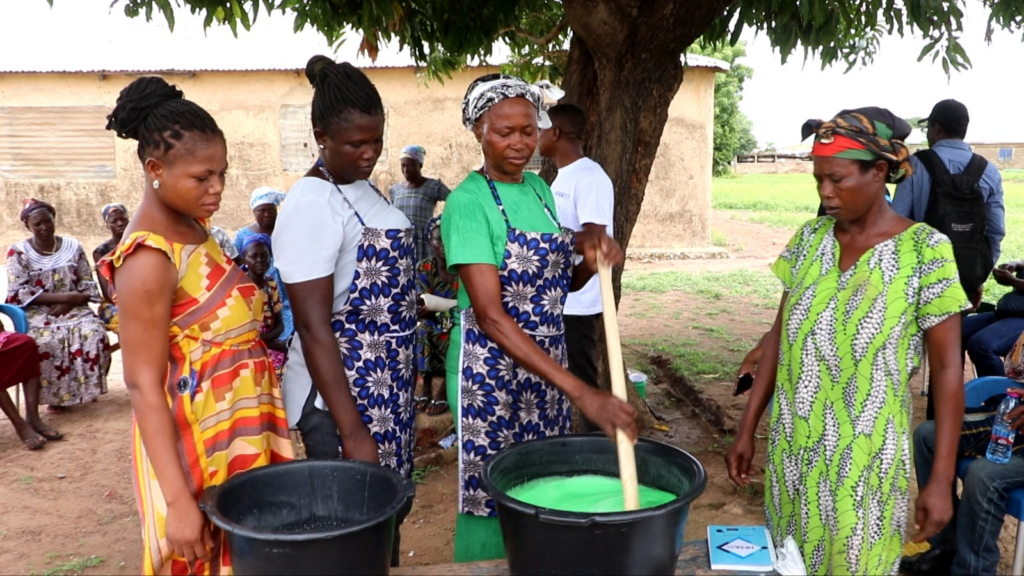
The group's secretary, Mercy Wange, said the programme has transformed the lives of its 35 members.
The group first secured a GH¢80,000 loan, followed by another GH¢53,000, which they invested in expanding their soap production business.
"Initially, we were saving just two cedis, but now we have increased our savings to 25 cedis with the loan," Madam Wange said.
She added that many women in the group are now able to contribute to household expenses and support their husbands in paying their children's school fees.
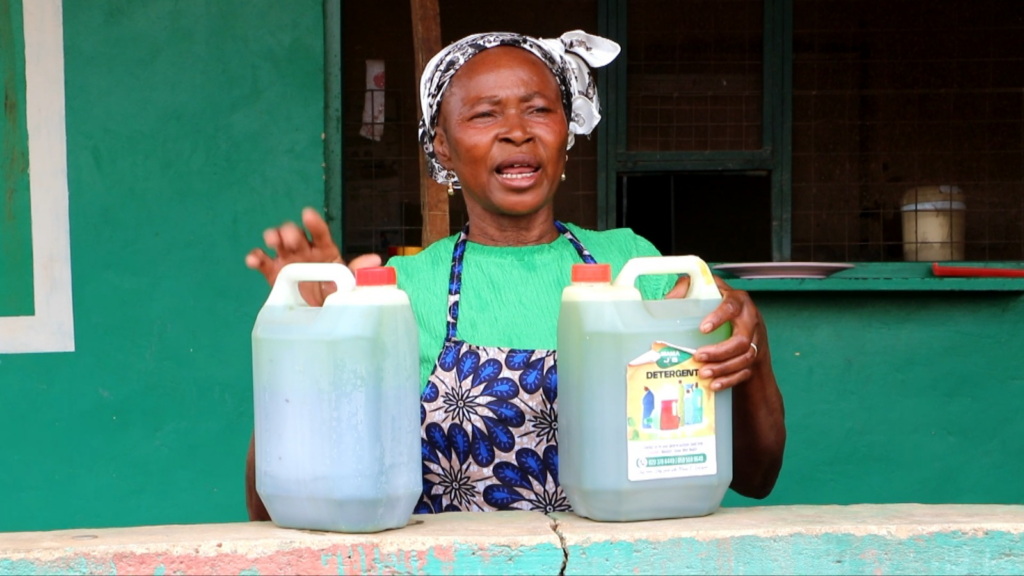
Another beneficiary, Janet Dizaogl, owner of Mama J Enterprise, has expanded her business after participating in the programme.
Previously known as a pito brewer, she used a GH¢10,000 loan and the skills acquired through the project to diversify into liquid soap production, soya kebabs and food processing.
Her success has enabled her to train more than 60 women in her community, creating new opportunities for others.
Sector Lead for SNV Ghana, Reuben Ottou, said the organisation's goal goes beyond providing infrastructure.
"Providing access to water and sanitation facilities doesn't end it there," he said.
"We want to ensure that they have sustainable livelihoods, they have good health, which should be integrated with the services that the HF4A project is providing."
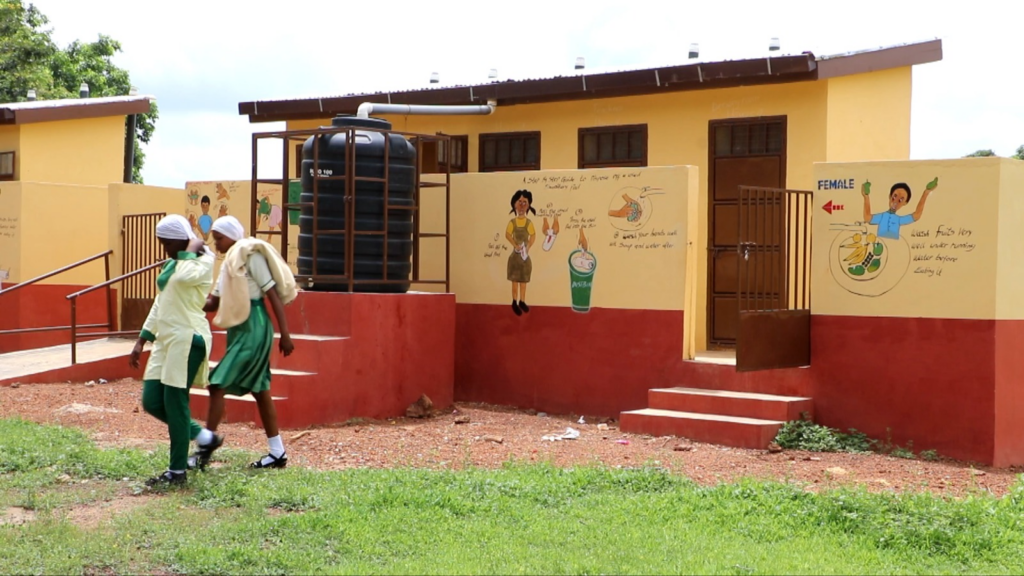
As new sanitation facilities replace dangerous bushes, clean water flows through health centres and women build stronger businesses, communities across Nandom are witnessing improvements that extend far beyond infrastructure.
For many families, access to safe water, better sanitation and new economic opportunities is not only improving daily life but also laying the foundation for healthier schools, stronger healthcare and more resilient livelihoods.
Latest Stories
-
Power restoration fault suspected in Kumasi Central Market fire
1 hour -
The 7-foot giant of Ngleshie Amanfro: Seven-foot Ghanaian Ephraim Saawa dreams of joining the national basketball team
2 hours -
Government promises support for Kumasi Central Market fire victims
2 hours -
Vibes The Movie: Big Ghun’s Ghanaian film earns five nominations at 2026 REFFA
3 hours -
MamaCare CEO warns unresolved conflicts among health workers could undermine maternal and neonatal care
3 hours -
Health professionals urged to translate medical knowledge into practice to save mothers
3 hours -
Conflicts among care providers linked to maternal, neonatal deaths – Expert
5 hours -
GIS marks 10th TIME conference, champions improved teaching practices
5 hours -
BRICS Or Balance? What Ghana’s bid really means
5 hours -
GPRTU wants full TRAFFITECH-GH implementation to start in 2027
6 hours -
Mahama announces plans to import electric wheelchairs for PWDs
6 hours -
KGL U17 Colts 2026: Western beat Prempeh Elite Academy to set up final final with Greater Accra Region
6 hours -
Late Solanke strike salvages 10-man Spurs draw at Man United
6 hours -
Gender Ministry to monitor welfare of Nana Akua Addo’s children amid domestic violence case
6 hours -
Benedict Okyere Yeboah: Ghana’s football problem goes beyond sacking a coach
6 hours