

Audio By Carbonatix
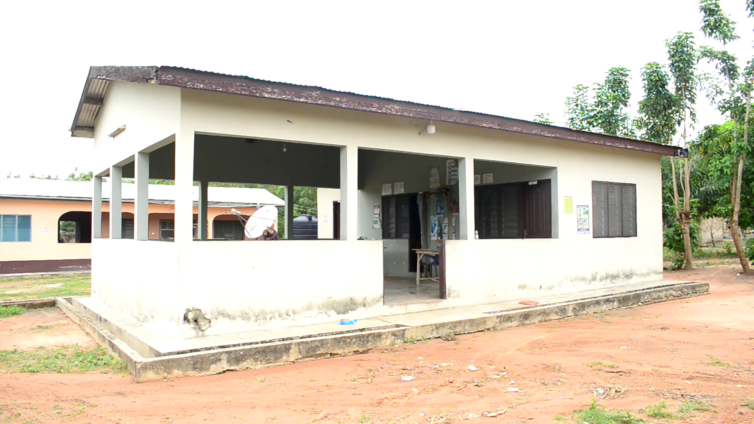
The chiefs and people of the Gbefi Traditional Area in the Kpando District of the Volta Region have appealed for the Community Health Planning Service facility, which serves the community, to be equipped with a laboratory.
They believe this would enhance the diagnosis of conditions to provide treatment, which would generally contribute to improved healthcare delivery.
Following clarion calls from the people of Gbefi for better health services, the government constructed a CHPS Compound attached to a maternity unit in the area.
Though this had improved access to healthcare in the predominant farming community, the residents believe equipping the facility with a lab would enhance diagnosis and treatment.
A midwife at the CHPS Compound, Genevieve Akorli, explained that they had to refer clients, especially pregnant women, to run tests and scans in Kpando during antenatal.
She said the development is robbing them of clients, adding that “when they go, they don't want to come back because they feel they will get all the essential services there, so we end up losing them.”
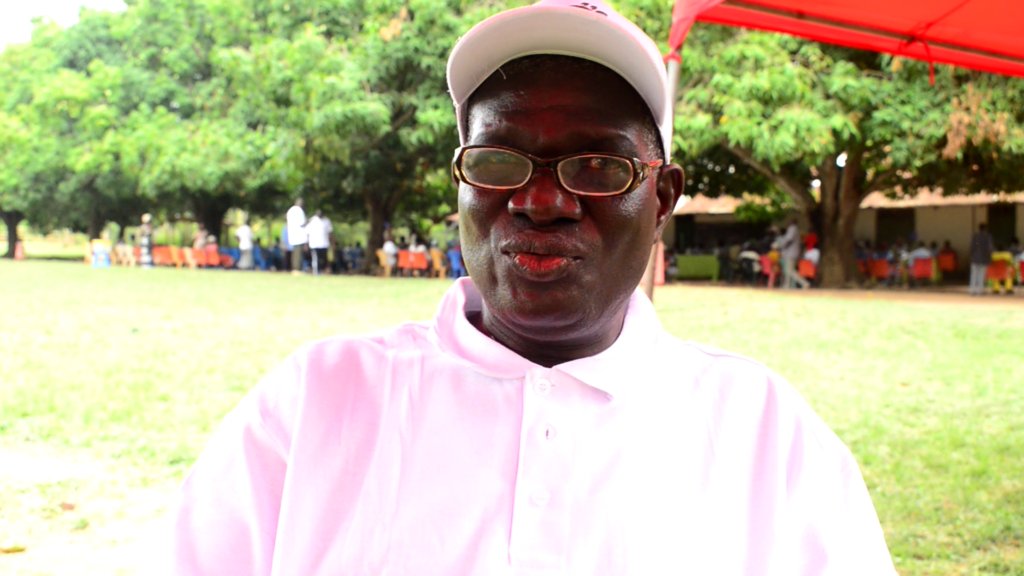
The Paramount of Gbefi, Togbega Akim VIII, corroborated her claims, adding that a lack of a lab technician and doctor limits the healthcare services provided at the CHPS Compound.
He said clients in labour had to be transferred to bigger facilities when experiencing challenges, and this could be solved if the right health professionals were deployed to the area.
He stressed that providing a lab and a doctor would improve healthcare delivery and safeguard the lives of his subjects.
“There is no lab or doctor at the CHPS Compound to handle serious cases. So I am hoping the government will come and construct a lab for us and give us a lab technician. This will make us stop travelling to Kpando to access healthcare,” he said.
He further lauded the organisers for a health screening exercise to check for malaria, typhoid, and hypertension, among others.
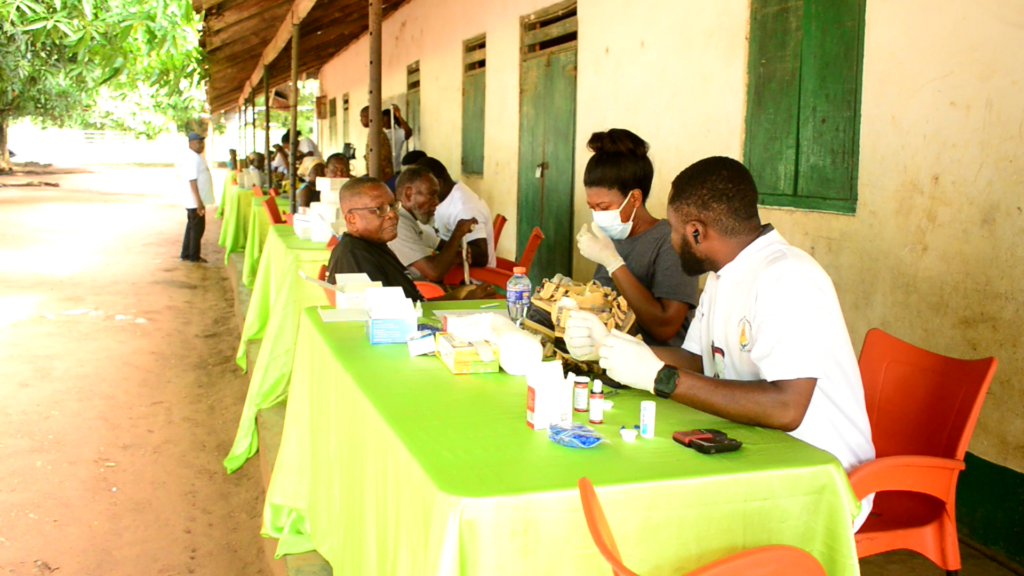
The PRO for the Gbefi Paramount Chief, Richard Katapu, said the initiative also aimed at enhancing the knowledge of residents on communicable and non-communicable diseases, general well-being and disease prevention.
“We educated them on several diseases, especially malaria, because that is the most prevalent disease in the area,” he said.
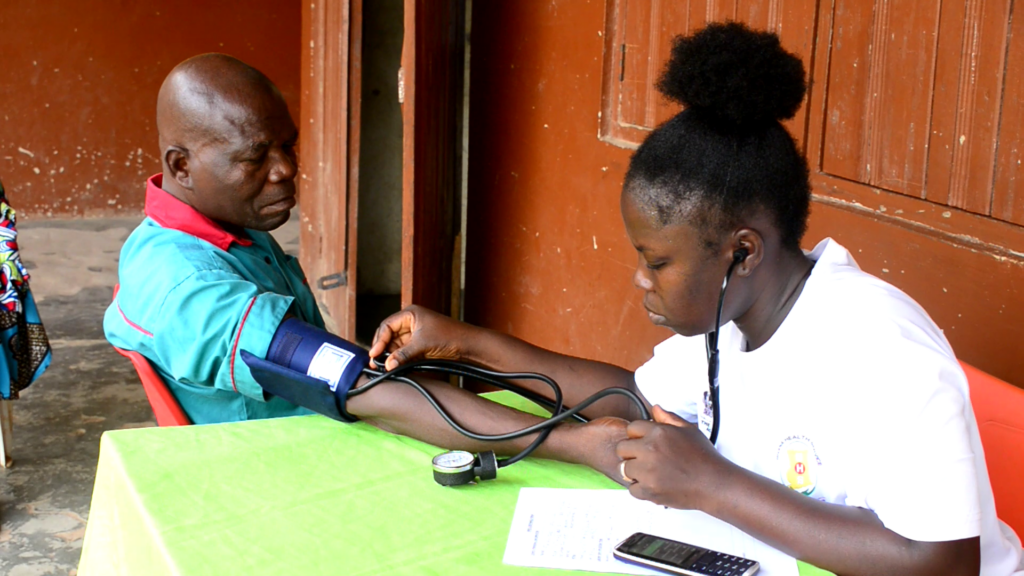
He added that patients who are diagnosed with cases that could not be treated during the screening were referred to seek care in well-equipped facilities.
“The doctors are even doing some referrals so that people who have identified cases that can not be fully treated here are referred to the bigger health facilities for them to be taken care of,” he said.
Latest Stories
-
Anti-LGBTQ Bill: Forget the rumour mongers, I’m a man of action, and will pass the bill – Speaker
38 minutes -
Women and children among those killed in Sudanese army shelling of wedding celebration
41 minutes -
President Mahama is not sincere with Ghanaians on LGBTQ bill matter – Hassan Tampuli
59 minutes -
Gov’t to establish Prison Industrial Hub to equip inmates with income-generating skills – Prison Service boss
1 hour -
Alhassan Tampuli donates cement, roofing sheets to support storm victims in Gushegu
1 hour -
Alhassan Tampuli appeals for urgent support for storm victims in Gushegu
1 hour -
The hypocrisy must stop; pass Anti-LGBTQ+ Bill now – Alhassan Tampuli to Mahama
1 hour -
Imprisonment should be rehabilitative, not punitive – Ghana Prisons boss at UNGA
2 hours -
Ga Adangbe traditional priests petition Mahama over McDan aviation licence revocation
2 hours -
Anti-LGBTQ Bill: NDC’s arrogance is worrying – Hassan Tampuli
2 hours -
Let’s give OSP time to mature, not to scrap it – Hassan Tampuli
2 hours -
Nigeria convicts 386 Islamist militants in mass trials
2 hours -
Djibouti president wins election with 97.8% of vote, state media says
2 hours -
We don’t have mandate to deduct tax from rent allowance of security services personnel – Interior Ministry clarifies
3 hours -
Ablakwa receives Presidential Special Envoy on Reparations to advance global agenda
3 hours