

Audio By Carbonatix
The Ghana R Users community is advocating the adoption of the advanced statistical technology, R-programming, in conducting surveys in relation to the UN Sustainable Development Goals.
The community of data analysts believes a detailed study of areas targeted for projects under the SDGs will facilitate a better appreciation of the goals.
Founder of Ghana R, Dr. Paul Agbodza, is upbeat about the potential of the programming tool in areas such as access to clean energy, reducing poverty and other goals under the SDGs.
“Use AI/ML to optimize grids and increase the efficiency of renewable sources. Increase share of renewable energy globally and expand infrastructure and upgrade technology for supplying modern, sustainable energy services. It will also provide access to clean energy research and advance cleaner fossil-fuel technology,” he said.
R-programming is a type of statistical tool that aids researchers in gathering and analyzing data to better provide science-based insights into patterns and trends.
The Ghana R community also observes limited use of the programming software in tertiary education to help in research.
This, according to the group, does not help research and university students to better study and communicate their findings effectively.
Research and Data scientist at the School of Medicine -KNUST, Ebenezer Senu believes the wide users of the programming software allows for more technical support when challenges prevail.
“For the previous software we are currently using for data management has limitations. There are advanced analyses you want to communicate but you’re unable to do that. R-programming gives more visualization to communicate easily with information you might use text to do,” he said.
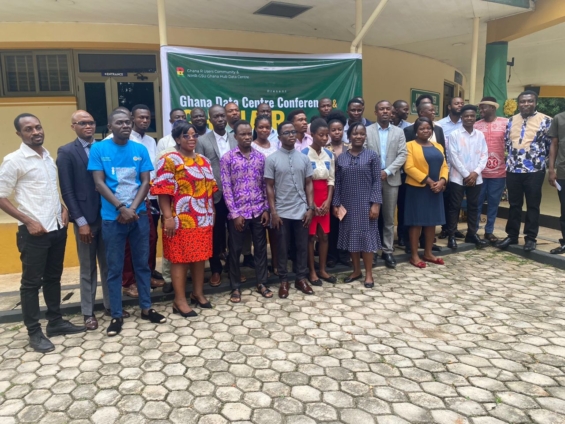
The Ghana R community organized a workshop for both students and lecturers at the KNUST on the crucial need for the application of the software in research works.
Some users of the software employed them in analyzing data for the Covid-19 pandemic, which are effective and efficient in responding to places requiring medical attention.
“With the help of R-software we were able to map places where the pandemic was increasing to inform the public and the health directorate,” he said.
The Ghana R Users Community was founded on the need for a national core group that will in turn support the creation of City User groups.
The group seeks to bring together individuals who are interested in using R software for data analysis, providing them with opportunities to learn, collaborate, and grow.
Through various events, resources, and networking opportunities, the group aims to promote the use of R in Ghana to solve real-world problems and drive innovation in data science.
Latest Stories
-
Ghana Water revenue mobilisation below 50% of potential – MD
5 minutes -
Ghana’s democracy must accommodate dissent and constructive criticism – Haruna Iddrisu
5 minutes -
Fact check: Trump posts fake quote of Denzel Washington supposedly praising him
6 minutes -
UPSA students lament high fees at private hostels, call for government intervention
17 minutes -
We will upgrade Ghana’s credit ratings if government maintains fiscal discipline, policy effectiveness – Moody’s
18 minutes -
Gender Ministry supports four siblings allegedly sexually abused by their father
22 minutes -
UMB MD wins ‘CEO of the Year’, banking category at 2026 Ghana Credit Excellence Awards
23 minutes -
Don’t throw away empty egg cartons — 6 smart ways to reuse them
26 minutes -
GoldBod poised to surpass 2025 forex performance – Sammy Gyamfi
27 minutes -
Old students of Peki SHS break ground to give 70-year-old school infrastructure a facelift
41 minutes -
Ablakwa facing ‘personal vendetta’ over refusal to grant Nana B service passport – Majority
42 minutes -
Every year, the lawyers come out, and so does the nonsense! – Ace Ankomah writes
55 minutes -
Digital transformation without an ownership culture can digitise poor service
58 minutes -
Fishing communities demand revocation of offshore gold exploration licences over livelihood concerns
1 hour -
How Ghanaian tycoon Manoj Lakhiani built a water and plastics empire from a $25,000 loan
1 hour