

Audio By Carbonatix
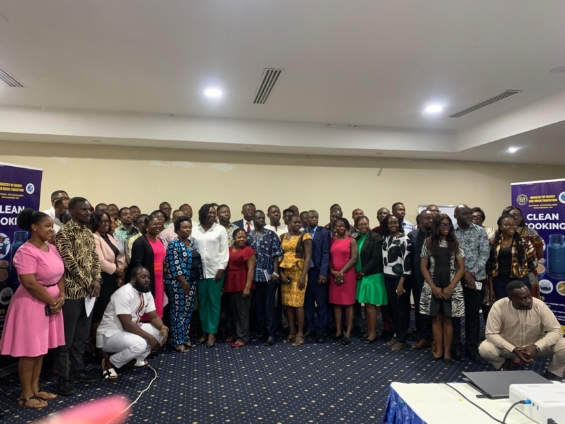
The Ministry of Energy and Green Transition is holding a national stakeholder’ engagement to gather input for a new Clean Cooking Policy and Strategy.
This roadmap aims to achieve universal access to clean cooking, with a target of 50% LPG usage by 2030, up from the current 36.9%.
Head of the Clean Cooking Unit, Doris Duodo, stressed the alarming impact of the use of firewood and charcoal. She emphasised that these traditional fuels release harmful smoke, causing severe respiratory diseases, heart conditions, and maternal health complications.
“A large number of people die yearly from the effects of smoke inhalation and related health issues, and it’s quite more than 1,000. Between 7,000 to 10,000 people die yearly from smoke inhalation,” she observed. Mrs. Duodo highlighted that clean cooking will reduce exposure to harmful pollutants that cause lung diseases, eye irritation, and cardiovascular issues, particularly affecting women and children.
The improved cooking stoves are being promoted to reduce charcoal consumption, minimize deforestation, and eliminate smoke exposure.
To make clean cooking accessible, the government has introduced the Cylinder Recirculation Model (CRM) in which “small cages called CRM are being made, already filled with gas, and placed at nearby locations where individuals can purchase at a cost without going to gas stations”.
Mrs. Duodu also emphasised safety education for LPG users, particularly in rural areas.
Deputy Director for Renewable Energy and Green Transition, Dr. Robert Sobagyi, noted that reliance on firewood and charcoal contributes to deforestation and environmental degradation, warning that it has a broader impact on the country.
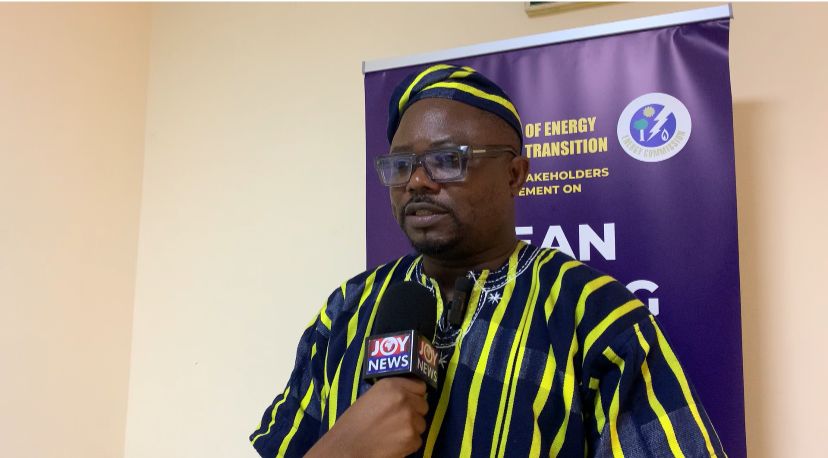
“When we don’t do clean cooking, we affect the environment and we also affect our health. This clean cooking promotion is meant to use LPG and electric cooking to increase environmental protection and reduce maternal mortality, which is due to using bad fuel technology,” he said.
He also criticised harmful practices such as burning tires in abattoirs, which release toxic chemicals into the air. Mr.Sobagyi embraces clean cooking to ensure that poisonous materials are not released into the atmosphere, which causes illnesses and reduces life expectancy. Ghana’s Clean Cooking Initiative is a crucial step in tackling respiratory diseases, maternal health risks, deforestation, and air pollution.
With policy implementation, stakeholder engagement, and public education, Ghana is on track to achieving its 50% LPG usage target by 2030, ensuring a healthier and more sustainable future.
Latest Stories
-
GUTA calls for suspension of Publican AI system over trade disruptions, demands temporary halt in import activities
53 seconds -
TTAG raises alarm over proposed recruitment of 7,000 teachers, demands national posting roadmap
34 minutes -
Civilians feared killed after reports of air strike on Nigerian market
44 minutes -
Bishop Simon Kofi Appiah installed as new Jasikan Diocese Bishop
45 minutes -
Trump’s Strait of Hormuz blockade threat raises risks and leaves predicaments unchanged
47 minutes -
US Court backs extradiction of former MASLOC CEO Sedina Tamakloe-Attionu’s to Ghana
1 hour -
Seven arrested as NAIMOS dismantles illegal mining camp, seizes firearms at Boin River
1 hour -
Fire erupts at Madina Ritz Junction, destroys multiple wooden structures and containers
1 hour -
Daniel-Kofi Kyereh returns from long-term injury, registers assist for Freiburg U23
2 hours -
Knifeman calling himself ‘Lucifer’ slashes three at NYC’s Grand Central
2 hours -
Brands are built from within to without
2 hours -
Matriculants urged to pursue excellence as gov’t reaffirms support for Maritime education
2 hours -
See the areas that will be affected by ECG’s planned maintenance on Monday, April 13, 2026
2 hours -
GPL 2025/26: Salim Adams double fires Medeama back to summit after Kotoko rout
2 hours -
Two robbery suspects convicted following violent gold dealer attack in Obuasi
2 hours