

Audio By Carbonatix
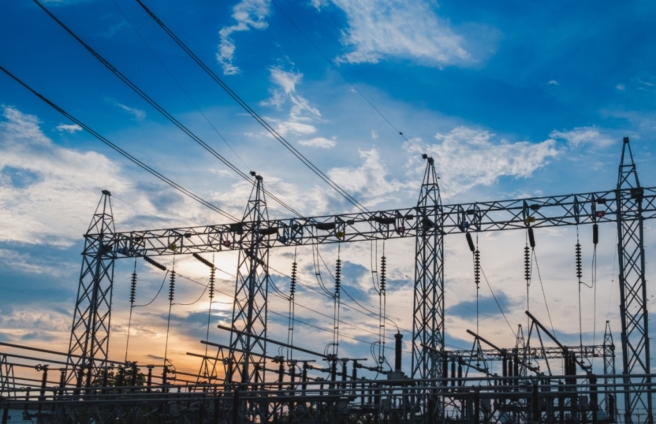
The government, through the Ministry of Energy and Green Transition, has planned to increase Ghana’s renewable energy generation to 10 per cent by 2030 and 50 per cent by 2060.
According to the Technical Advisor at the ministry, Dr Yussif Sulemana, this forms part of the government’s long-term strategy to gradually shift the country’s heavy reliance on hydrocarbons toward clean energy as the world continues to transition to clean energy amid climate change.
Speaking at the Africa Sustainable Energy Centre’s (ASEC) event during the World Energy Week 2025, he explained that Ghana’s energy transition framework seeks to balance sustainability with economic growth.
“Our target is that by 2030, about 10% of our energy generation should come from renewables,” he said, adding that this will be driven by innovation and collaboration and investment in green technologies like solar, hydrogen, and carbon capture.
He noted that currently, the country relies heavily on oil and gas for power generation but is taking steps to diversify its energy sources.
“In Ghana, and across our ministry, we are embarking on a lot of innovative technologies, including solar pumps, and building solar on onshore and offshore facilities.
"We are widening our technology base to build resilient systems that can meet our energy demand sustainably,” Dr Sulemana noted.
The energy expert also revealed that the ministry is working to invest in carbon capture technologies, stating that by doing so, Ghana can accumulate carbon credits and continue leveraging the existing energy resources while scaling up renewable investments.
However, Dr Sulemana indicated that these efforts are not to keep up with global trends or catch up to others but to chart a course that aligns with the country’s future without negatively impacting development and the economy.
“As it stands now, we still need to do a lot of work. Renewable energy projects are now becoming more bankable, but we must cement that bankability, especially by finding answers to global energy security. If renewable energy can truly guarantee energy security, the transition will be smooth and stable,” he said.
Dr Sulemana said that natural gas, which is recognised as a transition fuel, will continue to play a role in powering the country and the economy.
“We already have one gas plant and are building another as part of our transition strategy. This gives us the breathing space to transition at our own pace. Whether we can keep up with the global energy transition pace is too early to tell, but we are doing our best.”
He believes that “if we stay committed to this strategy, we won’t be caught off guard and we can keep pace with what’s happening in the global energy space.”
Latest Stories
-
Snake Village: A look at Volta Region’s hidden snake village and its tourism potential (Video)
7 minutes -
Election Watch Ghana calls for constitutional reforms to strengthen Electoral Commission independence
9 minutes -
NACOC, Postal and Courier Services Regulatory Commission intensify efforts to curb drug trafficking
11 minutes -
Ga Mantse chairs committee to drive Accra Green and Clean City Initiative
12 minutes -
Drivers threaten to remove traders from lorry stations over TrafficTech concerns
15 minutes -
AI could create 10 to 20 times more jobs despite current recruitment slowdown – Hubtel CEO
17 minutes -
Sexual abuse in schools persists because perpetrators are not held accountable – Dr Nyarkoa
25 minutes -
Chief Justice has designated Achimota Court to handle petroleum diversion cases – NPA CEO
28 minutes -
Philip Nai and friends gear up for bigger seventh Christmas outreach
29 minutes -
GSA strengthens electricity meter testing to protect consumers and improve energy reliability
30 minutes -
‘Dismissed or suspended? Ghanaians deserve clarity’ – NPP demands clarity on Ampofo Ankrah’s fate
34 minutes -
Teach consent and sexual boundaries from pre-school to prevent abuse – Gender advocate
39 minutes -
Zonda Tec launches HOWO T3M truck to support agric and logistics
48 minutes -
Obuasi SHTS scandal: Eduwatch calls for sex offenders’ register and mandatory background checks for teachers
1 hour -
GloMeF CEO urges intensified public education on new road traffic regulations
1 hour