


Audio By Carbonatix
The Ghana Investments Fund for Electronic Communication has assured of reviving its operations to get all rural areas connected with data services in the coming weeks.
According to its Chief Executive, Prince Sefah, the initiative had a few challenges but the road is clear now to get the project back on track.
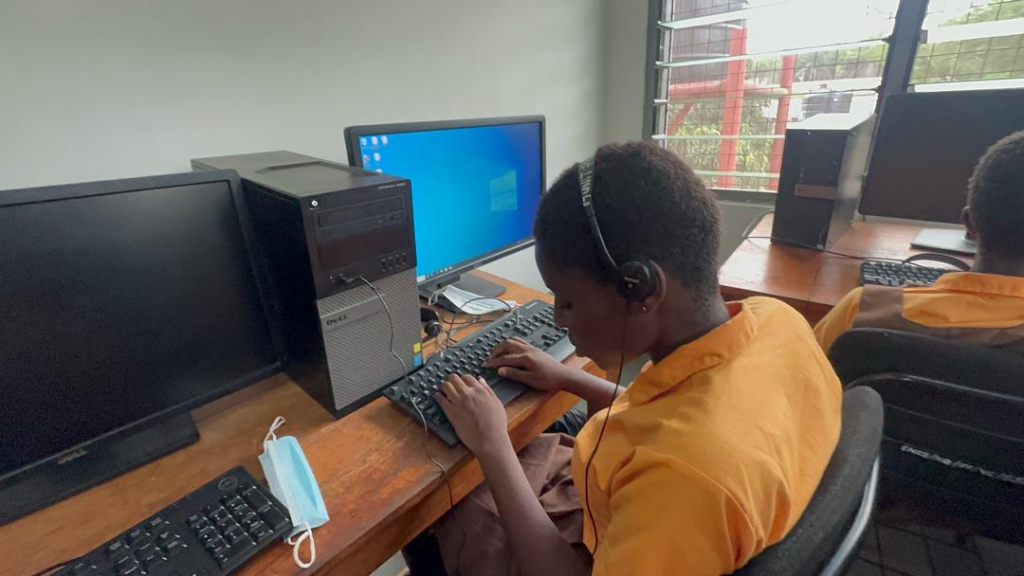
He spoke to Journalists after inspecting a training for beneficiaries of the Introduction to Computer Basic for the visually impaired in the Central Region.
“More than a thousand cell sites are operational and about four hundred are yet to be connected due to a few financial challenges but now things are getting back and we’re staying on track to get all connected.
"The financing gap has been cleared for funds to be released so work can resume in the coming weeks. There are few communities left to be connected so we’re continuing the work and over the next few weeks, we are going to be back on track to get everyone connected” he assured.
As part of the Digital Transformation Centers (DTC), the International Telecommunications Union (ITU), in collaboration with partners and ST Foundation provides Basic computer skills training for the visually impaired, under the title "Introduction to Computer Basics for the Visually Impaired.
The ongoing session seeks to train 450 visually impaired citizens in 13 regions on the fundamentals of computers over 15 days.
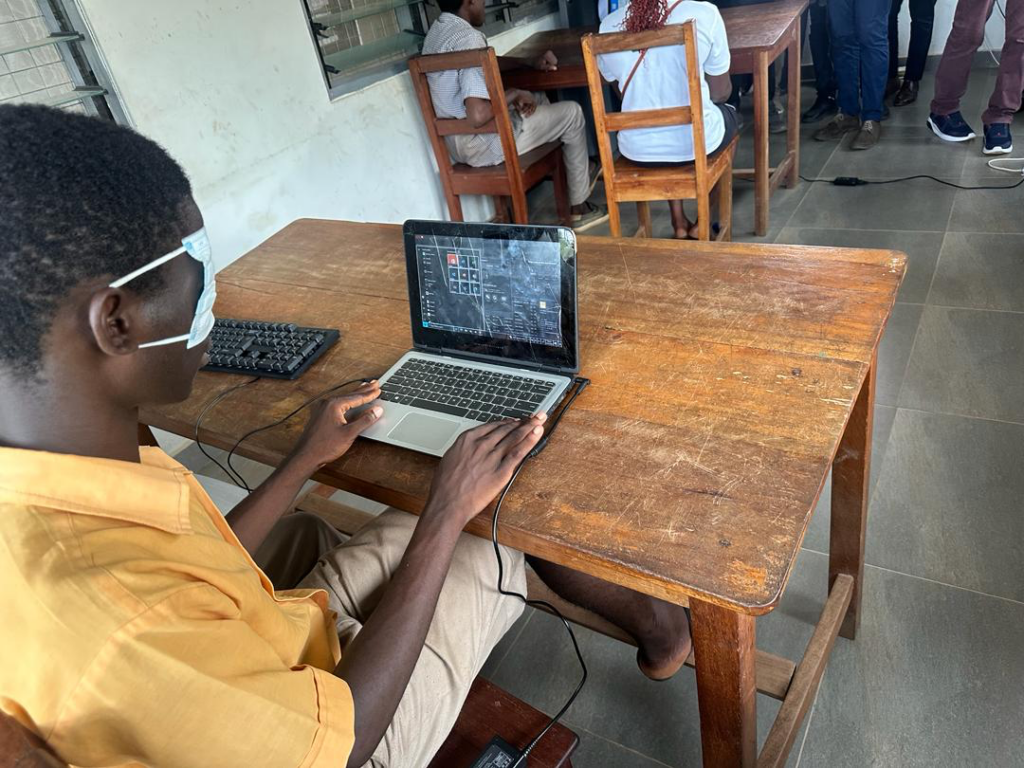
Speaking to Journalists during the inspection, the Chief Executive of GIFEC, Prince Sefah expressed satisfaction with the enthusiasm of the beneficiaries and confidence in getting more funds to continue training more people under the project.
He also provided some details on the programme as one of its flagship projects.
“We have begun this project from last year with the aim of training for people who fall under the disability population.
"It is important that we empower them and also give them those tools and digital knowledge so that they become more independent and can do more for themselves with a fulfilling life.
"This year we started training people in the underserved and rural communities directly” he said.

The training programme is designed to develop digital skills, mainly at the basic and intermediate levels, particularly in underserved communities.
The programme forms part of a broader goal of building an inclusive digital society where a lack of digital skills should not be a barrier to participation in the digital economy.
It aims at building a digitally literate citizenry to boost their ICT capabilities to enable them to participate meaningfully in the knowledge society of today.
Latest Stories
-
Julius Debrah, ‘man to beat’ as NDC’s James Agbey dismisses Musah Dankwah’s polls
1 minute -
GPRTU in Savannah Region to protest alleged eviction in Damongo
30 minutes -
Re: Reinsurance does not replace process — A response to the SIGA–SIC defence
45 minutes -
Gender Ministry supports Harriet Amuzu in ongoing abuse case
58 minutes -
AG joins plaintiff to scrap OSP ?: We should be mindful of the mischief in this – Bobby Banson
1 hour -
Samson Lardy Anyenini questions willingness of Attorneys-General to prosecute political colleagues
1 hour -
It is only fair the OSP is heard in Supreme Court case – Bobby Banson
1 hour -
Asiedu Nketia resumes Ashanti tour, second leg kicks off on Sunday
1 hour -
NLA denies salary cut claims, threatens legal action over reports
1 hour -
BoG Governor honoured for stabilising cedi, improve inflation
1 hour -
Kyebi Easter Homecoming 2026: A resounding success!
2 hours -
RNAQ divorce ruling: What the noise is hiding
2 hours -
Trade Minister applauds GUTA as a pillar of economic growth; Prez Mahama honoured
2 hours -
President’s brother’s takeover of Damang Mines is ‘untidy’ – Alhassan Tampuli
3 hours -
It’s not true that gov’t decided not to renew the lease for Gold Fields – Bobby Banson
3 hours