

Audio By Carbonatix
Government through the Ministry of Energy is anticipating a significant utilization of renewable energy sources towards attaining the UN Sustainable Development Goal 7 by 2030.
The Ministry targets to harness 10 per cent of Ghana’s renewable energy resources in consolidating the country’s energy security.
Deputy Minister of Energy, William Owuraku Aidoo, indicated the Ministry is in the process of fully harnessing and including renewable energy in Ghana’s electricity mix.
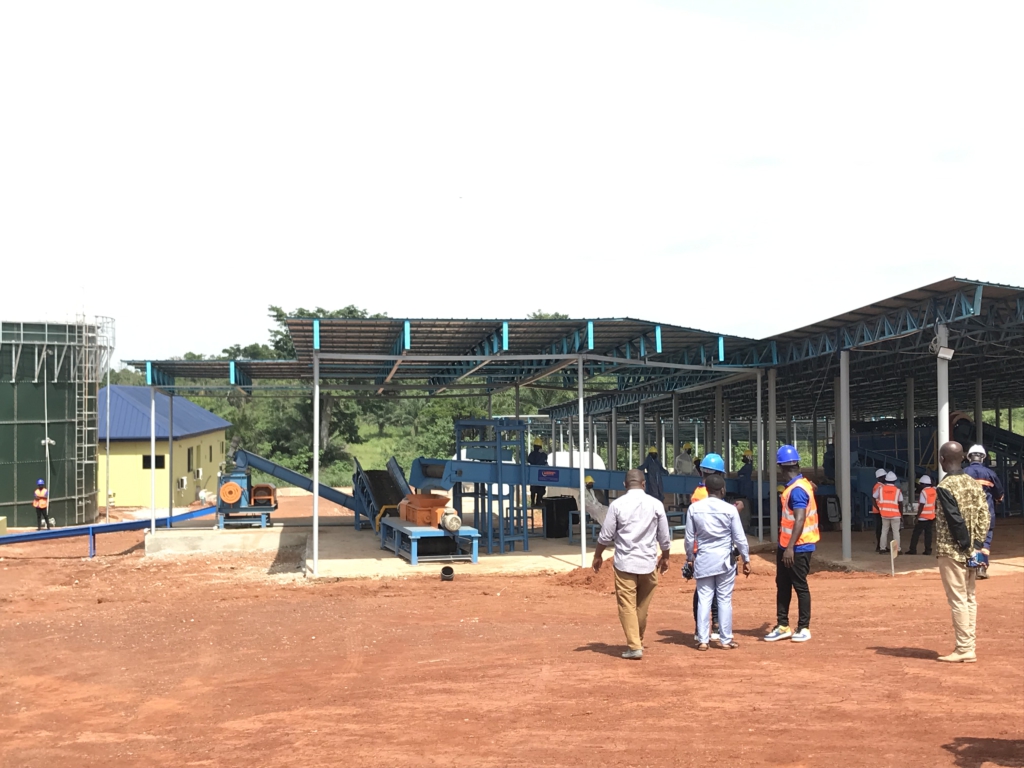
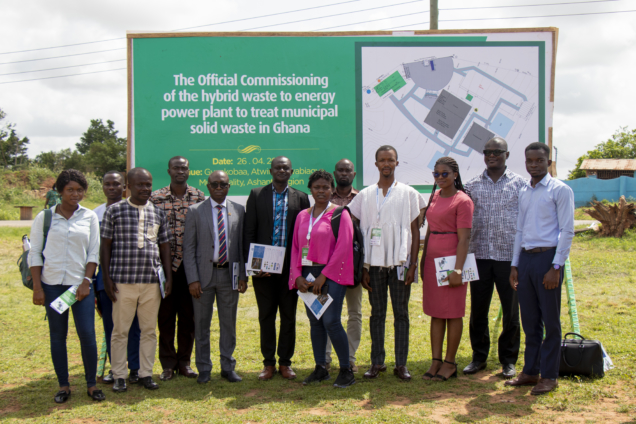
He spoke at the official commissioning of a 400Kw hybrid waste-to-energy power plant at Gyankobaa in the Ashanti region.
“The Ministry of Energy is undertaking a nationwide consultation as part of the efforts to develop a national energy transition action plan.
“Even though Ghana is endowed with renewable energy resources such as solar, hydro and wind, the ministry is still in the process of developing them with a target of 10% renewable energy penetration by 2030,” he said.
The hybrid waste-to-energy facility aims at developing concepts for waste segregation and its subsequent conversion to energy through research and capacity building.
In building high-level local expertise for the set target, some postgraduate students of the University of Energy and Natural Resource (UENR) are also receiving research training.
Vice Chancellor of the University, Professor Elvis Asare-Bediako, is enthused at their contribution to Ghana’s transitioning from traditional hydroelectricity to renewable energy source.
“With this project, the University hopes to contribute to the Sustainable Development Goals and help solve key challenges in the country’s economic development.
“The students are undergoing training to convert agricultural waste to energy with some foreign institutions,” he said.
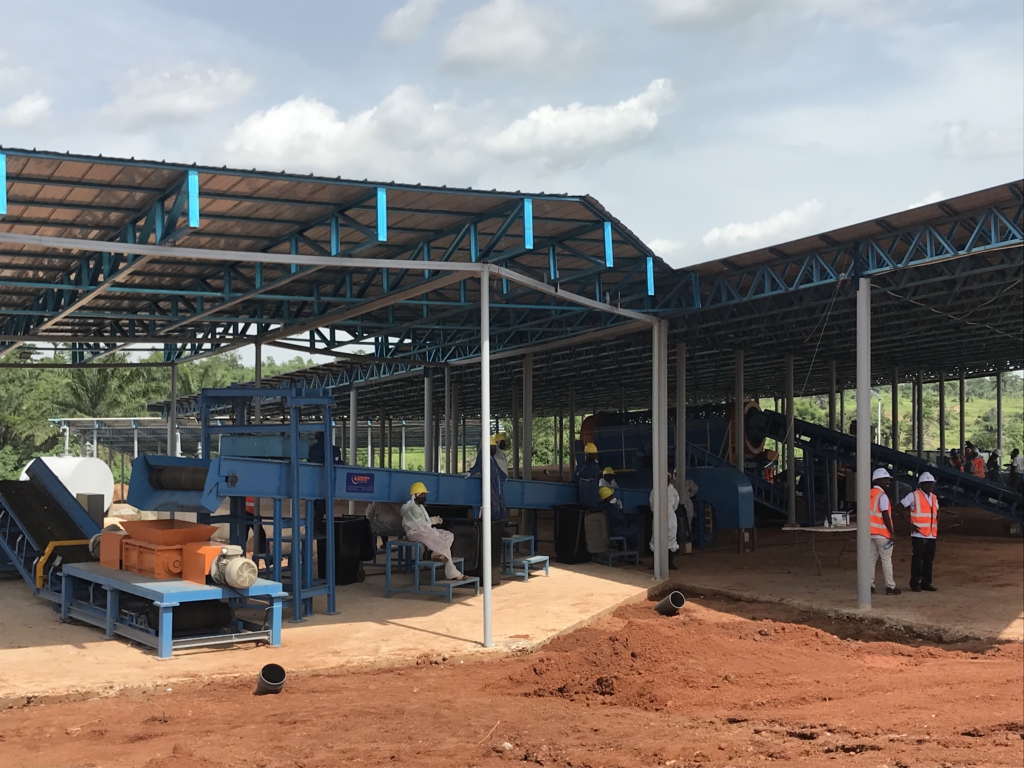
The project, which is still under construction, will accommodate a Resource Description Framework (RDF) plant, carbon dioxide gas capture, a direct biogas steam reformation plant and a methanation plant.
A lecturer with the Department of Agricultural and Bioresources-UENR, Dr Edward Awafo, indicated the facility would contribute to reducing the tons of environmental waste, including plastics.
“There is a lot of waste including plastics and organics that are being generated and we need to find sustainable ways of managing this waste. In a bid to recover energy from these resources, this hybrid plant has been constructed to manage waste sustainably.
“The municipal solid waste will be converted to energy through three major lines using hybrid biogas, pyrolysis and solar PV technologies,” he said.
Latest Stories
-
Gov’t sets 12%–12.5% guidance for 7-year bond as market re-entry gains momentum
15 minutes -
Tourism Minister encourages youth to take advantage of theatre for jobs
18 minutes -
New political party to challenge dominance of two major parties
22 minutes -
Stroke survivors demand inclusive healthcare, urgent policy interventions nationwide
26 minutes -
China reaffirms unwavering ties with Ghana as Ambassador presents credentials
33 minutes -
Wrongful teacher postings undermine early childhood education in Upper East
38 minutes -
Five new envoys present Letters of Credence to Mahama
43 minutes -
BoG Governor says building buffers and lowering credit costs go together
49 minutes -
Fuel shock looms as petrol nears GH¢15.19, diesel GH¢17.85 from April 1
56 minutes -
From May to December, nothing works – Tomato traders reveal harsh reality for farmers
1 hour -
Ghanaian farmer can’t grow tomatoes because of lack of irrigation – Tomato Importers Association president
2 hours -
Social media firms must better enforce Australia under-16 ban, watchdog says
2 hours -
King Charles should meet Epstein victims, US lawmaker says
2 hours -
Belgian ex-diplomat appeals order to stand trial in Congo’s Lumumba murder
2 hours -
Cholera aid for African countries stalled by Iran conflict
2 hours