

Audio By Carbonatix
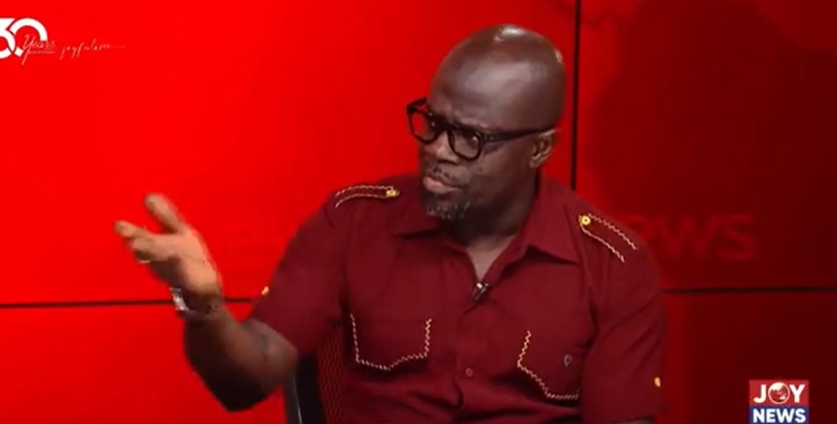
The Dean of the Faculty of Law at the University of Professional Studies, Accra (UPSA), Professor Ernest Kofi Abotsi, has expressed deep concern over the government’s failure to implement the recommendations of the Ayawaso West Wuogon (AWW) Commission report.
He believes this inaction has led to repeated electoral challenges, including issues witnessed in the 2024 general elections.
Speaking on JoyNews’ Newsfile on Saturday, January 11, Prof Abotsi highlighted the persistent nature of these problems stemming from a lack of commitment to the Commission’s findings.
“The fact that a whole commission was set up, recommendations made, and yet two-thirds of those recommendations remain unimplemented is baffling,” he stated.
The AWW Commission, established to address electoral violence and other irregularities after the 2020 elections, proposed practical solutions to enhance election integrity and security. However, according to Professor Abotsi, the government has largely ignored these recommendations, resulting in recurring problems in subsequent elections, including 2024.
“I have been particularly concerned, and in some cases, annoyed at the failure to implement the AWW Commission report. The consequences of the AWW incidents were repeated in the last election and keep getting repeated from one election to another.”
Professor Abotsi emphasized that many of the Commission’s recommendations are “low-hanging fruits” that could easily be implemented to address systemic issues. He noted that the government’s inaction not only wastes the resources spent on setting up the Commission but also perpetuates avoidable challenges.
Professor Abotsi urged the government to revisit the AWW report and prioritise its implementation, stating that doing so would significantly improve electoral outcomes. “Substantially implementing the report will solve a lot of the problems we’ve been facing,” he said.
He also reflected on the broader state of Ghana’s democracy, noting that the 2024 election results, which saw a significant mandate for the new government, reflected the electorate’s desire for change.
“The President’s speech post-election recognized that Ghana is not in the best place, and this acknowledgment is crucial for driving reforms,” he added.
Latest Stories
-
Several Ghana-bound vegetable trucks detained in Nigeria
7 minutes -
Black Sherif questions Wendy Shay’s absence in “Artiste of the Year” talks ahead of TGMA 2026
1 hour -
Government confirms arrival of 100 new buses to ease transport challenges
2 hours -
$600m tomato imports undermining Ghana’s economy — Chamber of Agribusiness
3 hours -
Rainstorm wreaks havoc: Faulty transformers, feeder failures leave parts of 3 regions without power
3 hours -
CUTS International calls for urgent competition law amid sachet water price hikes
4 hours -
‘I never did this advert’, AI clones hijack Ghanaian identities for profit
4 hours -
25-year-old woman battles trauma after surviving deadly Nkwanta attack
4 hours -
Vice President honoured at Tortsogbeza as South Tongu leaders highlight development needs
4 hours -
Kwahu Business Forum 2026: Corporate citizenship, sustaining African businesses take centre stage with KGL as the case study
6 hours -
Trump seeks $152m to reopen notorious Alcatraz prison
8 hours -
Ex-Chelsea player Oscar retires with heart issue
8 hours -
CA Foundation drives constitutional literacy in Kpone Katamanso municipality
8 hours -
GPRTU to hold talks with Transport Ministry over rising fuel costs
8 hours -
CUTS International urges gov’t to halt sachet water price hike pending cost review
8 hours