

Audio By Carbonatix
This year’s theme signifies that the entire world needs to be aware of the negativity of food loss and waste on the planet and how we can collectively solve it.
As the world contributes to achieving sustainable development goal 2 by ending hunger in 2030, it curbs the challenges associated with food loss and waste (SDG 12.3).
Reducing food losses and waste is an important alternative for food availability. This eventually lowers the prices of food on the market.
The world today is faced with a short food supply chain due to the post-covid-19 pandemic and the effect of the Russia-Ukraine war.
The prices of goods keep increasing and yet China and India top the chart on global food waste with about 931 million tonnes each year.
These challenges in middle- and low-income countries have become cyclic over the years. Emphasis on food losses in the supply chain requires prompt intervention to effectively promote food security and planetary health.

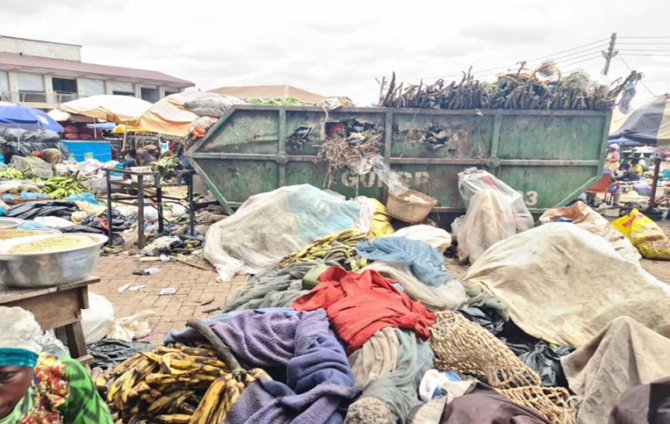
In Ghana, causes of food losses and waste could be attributed to several reasons not limited to poor storage facilities after harvest and purchase, respectively.
A warm or humid environment promotes insect pest and microorganism infestation.
The lack of refrigeration affects the cold chain management of products.
The issue of poor packaging, poor transportation, and unsatisfactory market conditions render produce unacceptable.
Consumer rejection due to aesthetic defects of produce especially fruits and vegetables is equally high in developed countries.
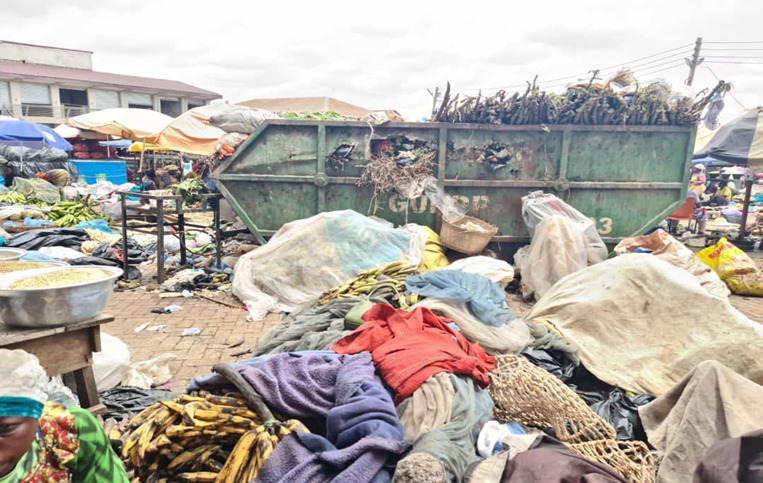
In reducing these challenges, shortening the food supply chain, and promoting food security, the quality standards of food produce should not be compromised. An investment made by the government at the local level to reduce food losses and waste must be visible or reflective in farmers'/ producers’ lives.
The global trends on food insecurity in Africa and some parts of the world have necessitated that adequate storage facilities like silos for staples to avoid glut in bumper seasons are taken into immediate consideration by the government.
On the part of consumers, it is important to promote planetary health by making a shopping list and buying what is needed.
Consumers who decide to shop in bulk should be sure of adequate storage facilities in their homes. It is kind to share leftovers with the needy. Do not throw them away, it contributes to global warming.
About author; Dr Stella Agyemang Duah, is a Research Scientist, Biotechnology & Nuclear Agriculture Institute, GAEC.
Latest Stories
-
3 Co-wives, 5 children perish in canoe disaster – Maritime Authority insists life jackets use mandatory for all water transport
9 minutes -
Iran war lands ‘triple blow’ to flood-ravaged Sri Lankans
43 minutes -
Gunmen kill at least 11 people at Afghanistan picnic spot
57 minutes -
Woman, 25, in court for stealing baby at Bogoso
58 minutes -
Trump unveils giant gold-accented victory arch design for US capital
1 hour -
We spoke to the man making viral Lego-style AI videos for Iran. Experts say it’s powerful propaganda
1 hour -
Hungarians vote in big numbers on whether to end Orbán rule and elect rival
1 hour -
At least 30 feared dead in crush at Haitian tourist site
1 hour -
Boxing: Abdul Ahmed wins WBA Africa Cruiserwight title after dispatching Nigeria’s Eradeye
1 hour -
Nearly 2,000 displaced, schools damaged as windstorm wreaks havoc in Gushegu
2 hours -
Ghana’s Derrick Kohn to work under Marie-Louise Eta as she becomes first woman to coach men’s Bundesliga team
2 hours -
Accra Open Championships conclude with strong performances ahead of African Championships
2 hours -
Ghana to begin camping with 12 athletes after Accra Open Championships – Bawa Fuseni
2 hours -
Anthony Joshua declines showdown with Tyson Fury but admits they ‘probably’ clash next
2 hours -
Tyson Fury dominates Makhmudov, calls out Joshua next
3 hours