

Audio By Carbonatix
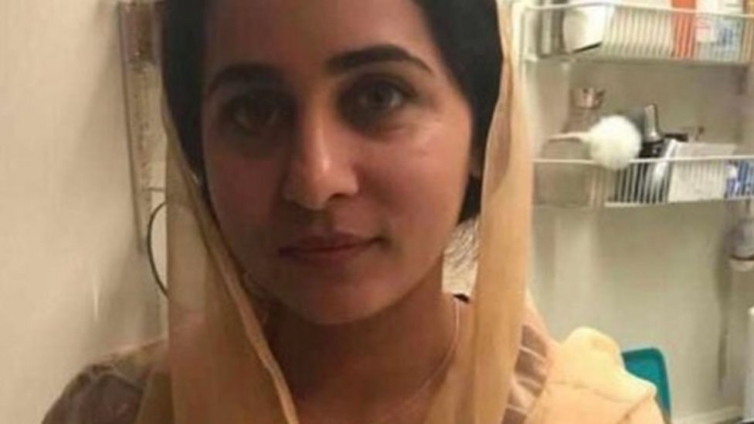
The body of Karima Baloch, a Pakistani human rights activist, has been found in Toronto, Canada, where she had been living for five years in exile.
Ms Baloch, 37, a campaigner from the restive region of Balochistan in western Pakistan, was a vocal critic of the Pakistani military and state.
Toronto police issued an appeal after she went missing on Sunday and later confirmed that her body had been found.
Police said there were "not believed to be any suspicious circumstances".
Pakistani rights activist Karima Baloch found dead in Toronto https://t.co/4IsaWZzYmp
— BBC News (World) (@BBCWorld) December 22, 2020
In 2016, Ms Baloch was named in the BBC's annual list of 100 inspirational and influential women for her work as a campaigner. She left Pakistan in 2015, after terrorism charges were levelled against her.
She continued to campaign in exile for the rights of people in Balochistan, both on social media and in person. And the threats followed her, according to Lateef Johar Baloch, a close friend and fellow activist who also lives in Toronto.
He told the BBC that Ms Baloch had recently received anonymous threats warning someone would send her a "Christmas gift" and "teach her a lesson".
Ms Baloch's sister told the BBC Urdu service on Tuesday that her death was "not only a tragedy for the family, but also for the Baloch national movement".
"She didn't go abroad because she wanted to, but because... open activism in Pakistan had become impossible," Mahganj Baloch said.
Balochistan province has been host to a long-running separatist insurgency. Ms Baloch was a well-known activist in the region; she was the first female head of the Baloch Students' Organisation (BSO) - a banned activist group.
Her first public exposure as an activist was in 2005, in Balochistan's Turbat area, where she attended a protest over missing persons carrying the picture of one of her missing relatives.
Activists in Balochistan say thousands of campaigners have gone missing in recent years. The Pakistani military denies accusations that it's brutally suppressing the region's aspirations for autonomy.
Several members of Baloch's extended family had been linked to the Baloch resistance movement over the years, and two of her uncles - a brother of her mother and a brother of her father - had gone missing. Their dead bodies were later found.
She rose to the head of the BSO in 2006, but many of the group's activists were either "disappeared" or went into hiding in the following years, and in 2013 the government banned the group.
Baloch went into exile in 2015 after terrorism charges were filed against her. After relocating to Toronto she married a fellow activist, Hamal Baloch. She remained active in exile both on social media and in human rights activities in Canada and Europe.
Reacting to the news of Baloch's death, the Balochistan National Movement (BNM) announced a 40-day mourning period.
Latest Stories
-
Rejecting pesewa coins is illegal, fuels inflation – BoG warns traders
17 minutes -
New Juabeng MP seeks details on GRA’s customs AI system
18 minutes -
TaxForGalamsey: Levies were institutional, not personal – Kwakye Ofosu explains lack of sanctions
23 minutes -
Feeding Hungry Pupils: 38-year-old female teacher initiates food bank to promote teaching and learning at Abankoro
34 minutes -
Education Minister announces 2027 start date for Jomoro College project in Western Region
36 minutes -
‘Sit us down and explain ‘it’—Customs agents raise alarm over new GRA AI system
45 minutes -
Gov’t commits GH¢25m seed fund to Ghana Defence University project
51 minutes -
Fighters condemns PAC Chair Abena Osei-Asare over Agbana comments; renew call for inclusive politics
53 minutes -
72 Days to Mundial: Ghana’s risky gamble after sacking Otto Addo
56 minutes -
Health Ministry boosts cardiovascular care with new guidelines, GH¢6m equipment support
1 hour -
OmniBSIC Bank delivers 104% profit growth, assets and deposits double in 2025
1 hour -
Ghana month donation drive ends on high note as NPA donates GH₵1m to GMTF
1 hour -
Prudential Africa CEO working visit to Ghana sets pace for business excellence and agency expansion
1 hour -
Salman residents call for halt to illegal mining activities
1 hour -
Goaso Municipal Hospital decries NHIS arrears, staff and equipment shortages
2 hours