

Audio By Carbonatix
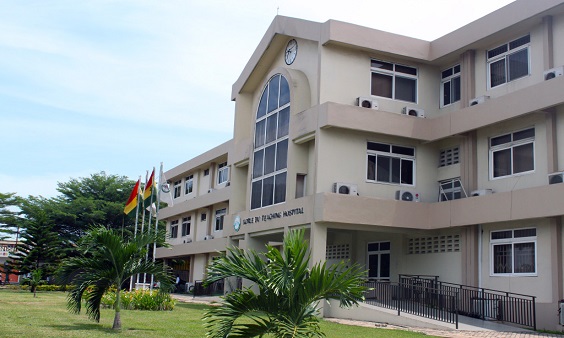
The Korle Bu Doctors Association has raised alarm over deteriorating conditions at the Accident and Emergency Centre of the Korle Bu Teaching Hospital, cautioning that severe overcrowding is endangering both patients and healthcare workers.
In a statement issued on March 23, 2026, the Association indicated that recent administrative measures have led to a sharp rise in patient admissions, far exceeding the facility’s available space and staffing capacity.
Despite reaffirming their adherence to the “No Bed” policy—under which no patient is denied care—the doctors said the situation has resulted in care being delivered under highly strained and unsafe conditions.
“This situation is not sustainable and poses serious risks to patient outcomes as well as professional standards,” the statement noted.
According to the Association, the congestion is already compromising patient safety, with delays in treatment and an increased likelihood of medical errors becoming a growing concern.
It also warned of potential legal implications for healthcare workers, as treating patients in makeshift spaces such as floors and corridors exposes them to liability in the event of complications.
“Providing emergency care on the floor, in chairs, or in hallways places doctors at immense legal risk,” the group stressed.
Beyond patient care, the doctors highlighted the toll on staff, citing rising levels of fatigue and burnout.
They also pointed to occupational health risks, including possible long-term physical injuries from repeatedly bending or squatting to attend to patients in unsuitable conditions.
The Association further questioned the impression created during a recent visit by the Health Minister, suggesting that the conditions observed at the time did not accurately represent the daily reality at the emergency unit.
“The environment on the day of the minister’s visit was not reflective of the routine situation at the facility,” the statement explained.
KODA emphasised that the issue extends beyond a shortage of beds, arguing that simply increasing bed capacity would not resolve the crisis without corresponding investment in personnel and logistics.
“The addition of even 1,000 beds would not immediately provide the necessary staff to manage the patient load,” it stated.
The group also identified broader systemic challenges, particularly the limited capacity of smaller health facilities, which have led to excessive referrals to Korle Bu.
“The core challenge lies in the capacity constraints of referring hospitals. Any additional beds provided here would quickly be filled,” the statement added.
The Association is therefore calling for a comprehensive, system-wide response, including improved coordination across healthcare institutions and greater investment in infrastructure and human resources at all levels of the health sector.
Latest Stories
-
UN resolution on slavery aims to confront slave trade’s enduring injustice – Okudzeto Ablakwa
18 seconds -
Video: Ablakwa addresses transatlantic slave trade at UN
9 minutes -
Iranian source says there has been US “outreach” and Tehran “willing to listen”
13 minutes -
Gov’t dismisses ‘sole sourcing’ claims; defends Big Push as lawful and transparent
19 minutes -
Transatlantic slavery trade was designed to deny Africans their humanity – Mahama
20 minutes -
Video: President Mahama recounts horrors of slave trade at UN, calls for justice
25 minutes -
All contracts awarded went through PPA laws – Roads Minister
27 minutes -
Over 2,000km of roads under construction nationwide – Agbodza
28 minutes -
Only 44% of ‘Big Push’ contracts sole-sourced – Roads Minister clarifies
31 minutes -
3-year-old rescued after falling into latrine at Nkawkaw
32 minutes -
Help party to maintain power – NDC faithful told
33 minutes -
Challenging Heights rescues 22 from human trafficking
39 minutes -
Oil traders bet millions minutes before Trump’s Iran talks post
45 minutes -
GMA calls for National Emergency Command Centre after Korle Bu overcrowding incident
50 minutes -
TMPC marks one year of reforms under acting registrar Dr Yakubu Tobor Yusuf
1 hour