

Audio By Carbonatix
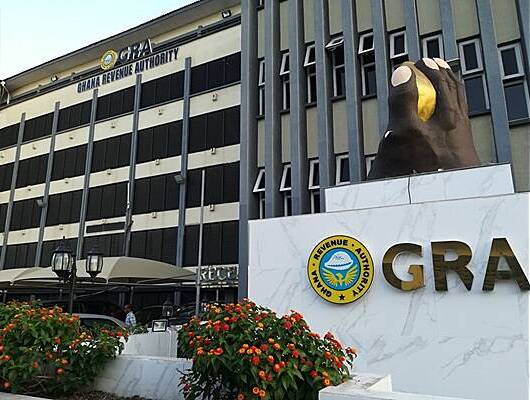
Some of Ghana’s most critical public institutions, including the Ghana Revenue Authority, the Ministry of Education, and Korle Bu Teaching Hospital, have been ranked among the country’s least compliant entities in the management of public funds, according to a new assessment by the Ministry of Finance.
The findings are captured in the Public Financial Management (PFM) Compliance League Table, which evaluated 101 state institutions on their adherence to the Public Financial Management Act, 2016 (Act 921) and related financial regulations.
A total of 19 institutions were placed in the “Least Compliant” category after recording the lowest scores in the assessment. Among them are the Financial Intelligence Centre, the National Media Commission, the University of Ghana, the Ghana Commodity Exchange, and the National Food Buffer Stock Company.
In a statement accompanying the report, the Finance Ministry said the rankings expose serious compliance gaps that require urgent attention.
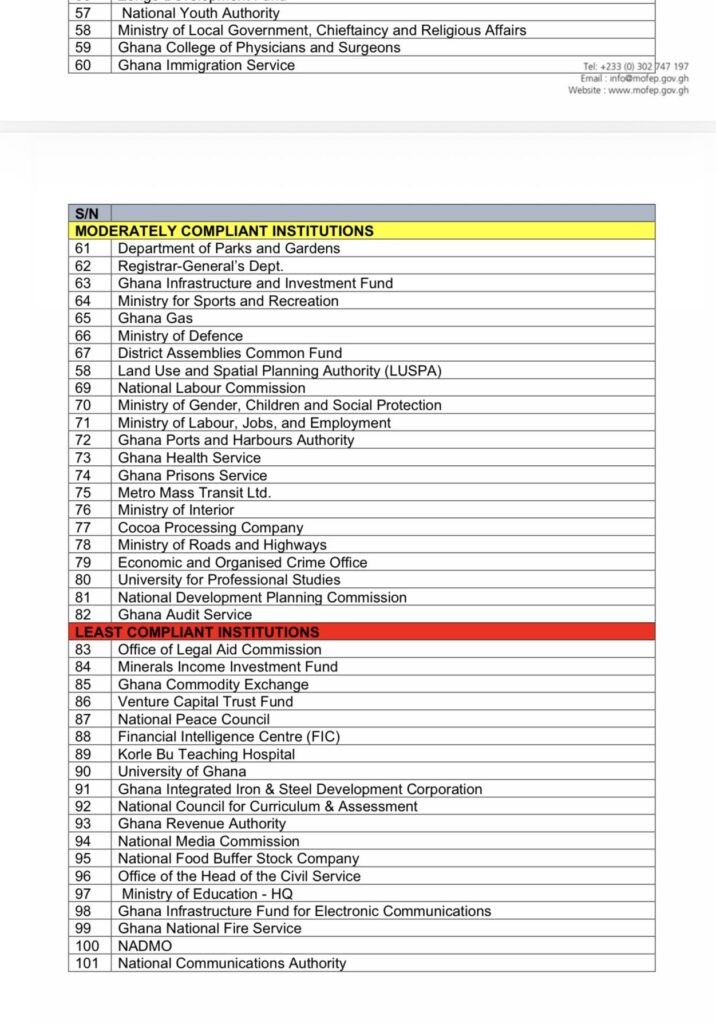
“The League Table highlights institutions with significant compliance gaps, underscoring the need for targeted corrective actions and stronger enforcement measures,” the Ministry stated.
The placement of the Ghana Revenue Authority in the bottom tier is particularly striking, given its mandate as the state body responsible for mobilising tax revenue — the primary source of funding for public institutions. Its ranking is likely to trigger public debate about accountability and whether institutions tasked with enforcing fiscal discipline are themselves adhering to the rules.
The report comes amid ongoing national discussions on public sector efficiency and prudent financial management, especially as government faces increasing pressure to optimise domestic revenue and control expenditure.
The Ministry of Finance says it will engage directly with the low-performing institutions, with the PFM Compliance Division leading efforts to address the identified shortcomings. It has also warned that firm enforcement action will be taken against entities that fail to improve their compliance levels.
The PFM Act, 2016 (Act 921), was introduced to strengthen fiscal discipline, ensure transparency in the use of public funds, and promote accountability across government institutions. However, the latest league table suggests that significant challenges remain in achieving full compliance across the public sector.
Latest Stories
-
Sam George cautions ministers against reading unverified AI-generated speeches
54 seconds -
Ghanaian entrepreneur Mary Nyamekye Asamoah wins Africa Travel 100 award
4 minutes -
Obuasi SHTS abuse: Sanction all officials who failed to act – Moving Masculinity
9 minutes -
Lucy Agyepong honoured for excellence in engineering education at maiden GAAS Women’s Awards
12 minutes -
Harriet Afia Konadu Asiedu
19 minutes -
AFCON 2027: Sports Minister ‘convinced’ Black Stars will qualify despite losing opening two games
20 minutes -
CUTS welcomes VAT collection on cross-border digital services, urges fair treatment of Distance Learning students on overseas programmes
24 minutes -
Leave the Chiefs and fix the Galamsey Problem: Dr Solomon Owusu Advises President Mahama
27 minutes -
Pay attention to teachers and give them what is due – Ho District GNAT tells government
30 minutes -
Authorities knew of abuse allegations against Obuasi headmaster months before suspension – JoyNews investigation
35 minutes -
US teenager appears in court over alleged Hindu temple shooting plot
38 minutes -
Academic City donates paediatric rehabilitation staircase to Ga East Hospital
41 minutes -
Services drive 7.4% expansion in Ghana’s economic activity
53 minutes -
‘I don’t make music for awards, I make it to connect people’ – Rocky Dawuni
1 hour -
Farmer jailed for three months over assault on wife in viral video
1 hour