

Audio By Carbonatix
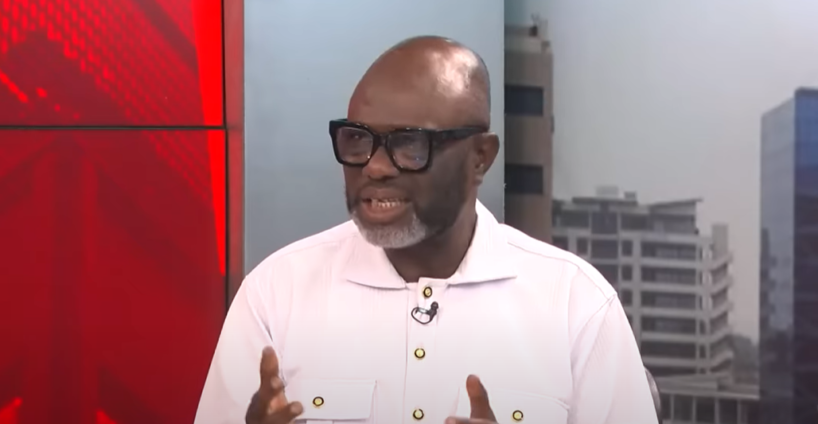
The President of the Ghana Union of Traders Association (GUTA), has said that the lack of growth in the private sector is having an adverse effect on the economy.
Speaking on The Probe on JoyNews, Dr Joseph Obeng said that the current economic crises, cedi depreciation and taxation have all contributed to the slow growth of the private sector.
“It is very important to note that the private sector is supposed to be the engine of growth, but we are not growing, as expected. If that is so, then the economy will also not grow. It is very important to create the enabling environment for us to achieve this growth that we so seek. That is the problem of Ghanaian businesses and even the larger economy,” he said.
Dr Obeng said that the private sector needs space to grow, adding that many businesses are being “overtaxed” and are unable to sustain their growth because the cost of doing business has increased significantly.
He told programme host Blessed Sogah, on Sunday, that the situation goes against the government’s aim of moving from taxation to production.
“So if the government knows this, for this reason, in 2017, they removed what they called the nuisance taxes, now the nuisance taxes are coming in different forms and shapes, including the COVID-19 level. It should be out of the table. We don't need it,” the GUTA president said.
“The COVID-19 levy came to solve a problem and because we all wanted to manage the COVID pandemic, we agreed to it. So, once it (Covid) is not there, I mean, it is only right that we take it off the table. We also have a special import levy that came because the previous government needed some push.”
“And we also accepted and they brought some sunset clauses. So, if this thing goes on, it means that we are not going to have confidence in leadership when they come and appeal for some of these things,” Dr Obeng said.
He added that since the last quarter of 2022, businesses have been suffering, with many losing a substantial amount of their capital while others are unable to import.
Dr Obeng stated that “the expectation of businesses is that we seek the reduction of taxes and then pruning down the cost of doing business so that we become competitive.”
Latest Stories
-
Ghanaian farmer can’t grow tomatoes because of lack of irrigation – Tomato Importers Association president
53 minutes -
Social media firms must better enforce Australia under-16 ban, watchdog says
1 hour -
King Charles should meet Epstein victims, US lawmaker says
1 hour -
Belgian ex-diplomat appeals order to stand trial in Congo’s Lumumba murder
2 hours -
Cholera aid for African countries stalled by Iran conflict
2 hours -
The Oscars are leaving Hollywood
2 hours -
Too watery, too risky – Why Ghanaian traders prefer Burkina tomatoes
2 hours -
We buy from Burkina because ours rot fast – Tomato traders defend import dependence
2 hours -
Nigeria’s giant oil refinery fails to prevent record gasoline prices
3 hours -
CAF to make changes to regulations after Afcon final fiasco
3 hours -
Council of State member demands EOCO boss apologise or face lawsuit, petitions Mahama for his dismissal
3 hours -
Otto Addo sacked!
4 hours -
‘We are tomato sufficient – Agribusiness chief pushes back on Burkina Faso export shock
5 hours -
AfDB says Africa’s growth risks were tilted to downside even before Iran conflict
5 hours -
Egypt’s Sisi says only Trump can stop war, warns oil could top $200
5 hours