

Audio By Carbonatix
The Ghana Association of Banks is optimistic lending rates will come down before the end of 2022.
This is line with the Bank of Ghana’s forecast that inflation which is one of the key determinants of interest rates will dip in the next couple of months.
Inflation surged to 23.6% in April 2022, forcing the Bank of Ghana to adjust its key lending rate to 19%. This is expected to help mop up excess liquidity from circulation and control inflation.
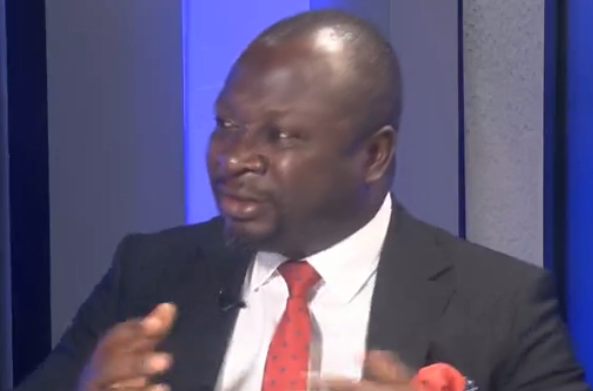
Speaking to Joy Business, Chief Executive of the Ghana Association of Banks, John Awuah, said the current hike in interest rates is an interim one and will thus be short-lived.
“The present situation [rising interest rates] is for the short term. We all know what is happening in the global economy.”
“We also believe that most of the inflation rates that have pushed the rates to where they are now are imported inflation; and circumstances around the world, supply chain constraints, tapering off”, Mr. Awuah pointed out.
He further said “we envisage a gradual decline in inflation which should positively impact lending rates. So we have every cause to believe that it is temporary though it is a concern”.
“It is for the short term but we believe that by next year, we should not be trending at the rate at which we are now”, Mr. Awuah added.
Banks cannot be blamed for rising interest rates
The Ghana Association of Banks also shot down suggestions to regulate the exchange rate regime in the country.
The Association of Ghana Industries in a recent reaction to high interest rates hinted that it will meet the Bank of Ghana to intervene in the market by engaging banks to reduce their cost of credit to the private sector.
But in response to suggestions by industry to bring in some control, John Awuah maintained that such a move will be counter-productive.
“Treasury bills in January or February this year was at 12%. As we speak it is at 21%. The Ghana Reference Rate which is a combination of policy rate, the interbank lending rate and the Treasury bills rate was 13.9% in January this year. But it is presently at 20.8%."
"So it’s not a matter of the banks, it is the fundamentals that are driving the rates that we are seeing now”, Mr. Awuah pointed out.
Latest Stories
-
Anti-LGBTQ Bill: NDC’s arrogance is worrying – Hassan Tampuli
2 minutes -
Let’s give OSP time to mature, not to scrap it – Hassan Tampuli
6 minutes -
Nigeria convicts 386 Islamist militants in mass trials
11 minutes -
Djibouti president wins election with 97.8% of vote, state media says
16 minutes -
We don’t have mandate to deduct tax from rent allowance of security services personnel – Interior Ministry clarifies
30 minutes -
Ablakwa receives Presidential Special Envoy on Reparations to advance global agenda
47 minutes -
Christina Koch becomes first woman to travel around the moon on Artemis II
58 minutes -
Epstein survivors’ calls to meet King Charles and Queen harder to ignore as US visit approaches
1 hour -
UN Secretary-General names Ghana’s Anita Kiki Gbeho as South Sudan envoy
1 hour -
Mali withdraws recognition of Sahrawi Republic, backs Morocco’s autonomy plan
1 hour -
Gov’t distributes over 8,500 laptops to One Million Coders project
1 hour -
Julius Debrah, ‘man to beat’ as NDC’s James Agbey dismisses Musah Dankwah’s polls
1 hour -
GPRTU in Savannah Region to protest alleged eviction in Damongo
2 hours -
Re: Reinsurance does not replace process — A response to the SIGA–SIC defence
2 hours -
Gender Ministry supports Harriet Amuzu in ongoing abuse case
2 hours