
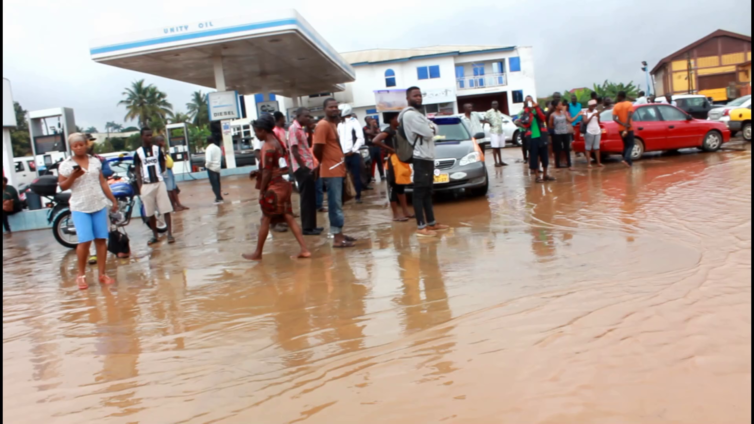

Audio By Carbonatix
Minister of Sanitation and Water Resources, Cecelia Abena Dappah, has outlined economic prospects of making water available and accessible in every community.
While some communities lack access to potable water, the available water sources are highly polluted by illegal miners.
The sector minister wants indigenes to take steps in protecting water bodies to support the government’s efforts to provide potable water.
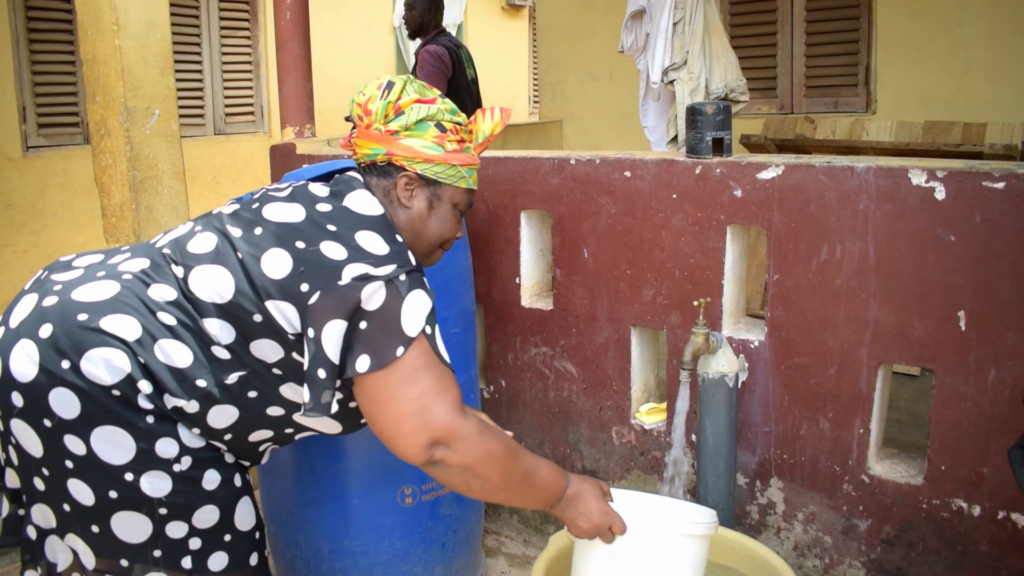
Research by IMANI Ghana has revealed water and sanitary conditions in Ghana are growing from bad to worse.
This has affected economic activities in certain communities, as they are recording a decline in business.
While some communities lack access to potable water, the available water sources are highly polluted by illegal miners.
Industries and specific projects cannot be undertaken in communities due to polluted water and insanitary conditions.
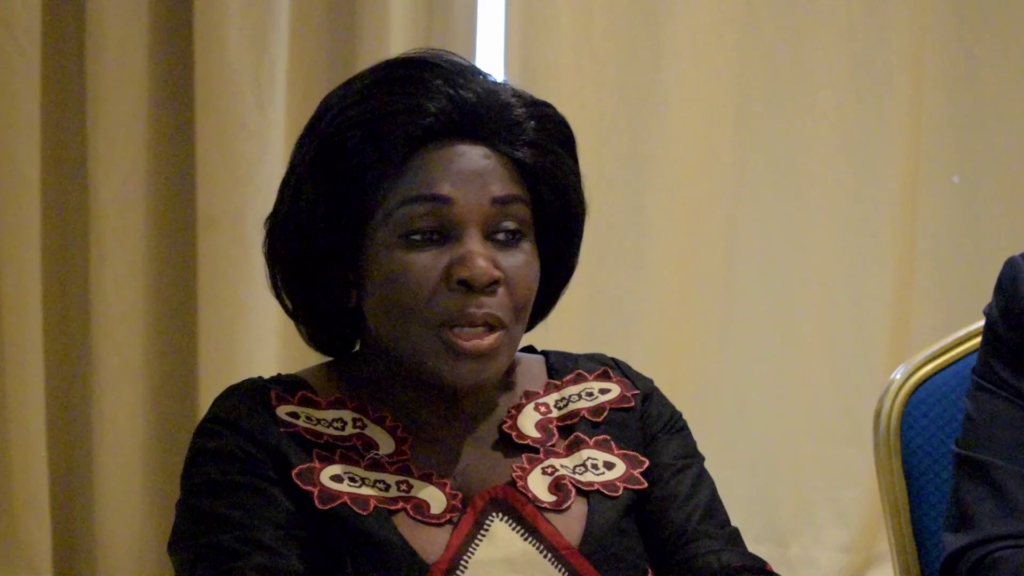
The Minister of Sanitation and Water Resources, Cecelia Abena Dappah wants indigenes to take steps in protecting water bodies to support the government’s efforts to provide potable water.
Outlining the economic prospects when water is made available in every community, she advised developers and community people to stick to 100metres buffer zone.
" Without water, you cannot have industrialization. Everywhere the government's flagship 1 District 1 Factory programme has been sited, water has been provided. I will use this opportunity to appeal to all, to stop "galamsey", farming near water bodies should be prohibited, the pesticides and chemicals flow into the water bodies and stick to the 100 metres buffer zone."
As soon as water springs up in a community, the youth get jobs to do. It is just like when a new road is constructed, people immediately start trading," she said.
This was revealed in a meeting with the Board Chair of Water and Sanitation for the Urban Poor.

The head, Lorde Paul Boateng, urged the youth to develop solutions for environmental sanitation challenges to generate income.
He observes the fast growth rate at which the green and circular economy.
"Good sanitation is also good business. There is a lot of money to be made in effectively meeting the needs of people for toilets. To provide the means by which waste is disposed of and recycled in a sustainable way.
"In all of this, there is a role for the private sector. It generates jobs and opportunities. An example is Clean Team. They should be supported," he said.
Latest Stories
-
Corruption raises bank risk, weakens diversification benefits, research finds
39 minutes -
The Apostolic Church-Ghana bans ‘you may kiss your bride’ during marriage ceremonies
3 hours -
Ɔdadeɛ 95 marks reunion with GH₵200k Solar Project at PRESEC-Legon
3 hours -
AI is the new phase of the digital age, and Africa must be ready or risk being left behind – Dr Bawumia warns at LSE Africa Summit
3 hours -
Ghana’s Gold Reserve Policy Reversal: An Analytical Review of Costs, Timing, and Governance
4 hours -
Joyce Blessing blesses Adom TV Fufu Party patrons with thrilling performance
5 hours -
Toasehene commissions community centre, urges traditional leaders to prioritize development
5 hours -
ECG to replace transformers in parts of Accra to improve power supply
5 hours -
Photos: Two brothers who died in a tragic Tema aircraft crash laid to rest
5 hours -
Pamela Bridgewater Project urges stakeholders to join outreach programme on teenage pregnancy
6 hours -
Shot on duty: A Ghanaian journalist’s five-year struggle for recovery
7 hours -
Rainstorm rips off Kassena-Nankana West District block
7 hours -
Fans gather in their numbers for 2026 Adom TV Fufuo Party
7 hours -
When reporting becomes a risk: The growing digital war on journalists in Ghana
7 hours -
Pressure mounts on Bogoso-Prestea Mine Divisional Chiefs to withdraw petition seeking to replace Heath Goldfields
7 hours