

Audio By Carbonatix
Last year, I took an English course in my ongoing programme that got me very close to the subject of the transatlantic slave trade. The course was a study of writings in the Reconstruction Era. We read Frederick Douglas' fiction, Lincoln's speeches, and watched heart-wrenching films such as "Slavery by Another Name."
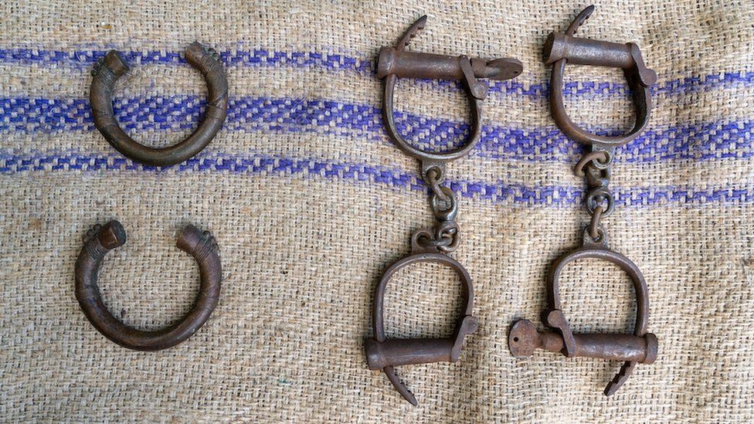
The harrowing tales I'd heard narrated by tour guides at Ghana's slave castles and captured casually in textbooks I'd read growing up did not come close to the cruelty the slaves endured in the United States and elsewhere.
For this reason, I wholeheartedly agree with the declaration of slavery as the gravest crime against humanity.
President John Dramani Mahama and Samuel Okudzeto Ablakwa deserve immense commendation for pushing and securing the United Nations' passage of the resolution declaring slavery as the gravest crime against humanity.
At the end of the semester, we were to produce a seminar paper. I proposed to my professor that, instead of doing a paper on how the slaves were treated in the United States, I wanted to explore how the slaves got onto the slave ships in the first place.
The literature I read for my paper, including from Africans such as Ghana's Professor Akosua Perbi, showed that Africans were at the forefront of capturing their fellow Africans and selling them to the European slave traders who were based mainly along the coast. The Europeans conducted some raids, but they were minimal. One source estimated that 90% of the slaves captured and shipped abroad were captured by Africans.
The slave trade boomed whenever there were wars among African ethnic groups. Some wars were waged for the purpose of capturing and selling slaves. The powerful kingdoms made money by selling slaves, which they used to buy powerful weapons to fight and capture more slaves.
When the British abolished the slave trade, some powerful African kings, including some in Ghana, were unhappy that their source of wealth was being stifled.
I also read that some African countries, such as Benin, have formally apologised for their role in capturing and selling their own people into slavery.
Ghana subtly acknowledged its role when it launched the Joseph Project during the celebration of Ghana's 50th independence anniversary. (In the Bible, Joseph was sold by his own brothers.)
That brings us to the second part of the push: the payment of reparations. If reparations are to be paid, countries such as Ghana should also be required to pay them for their role in the slave trade.
It will not be right to pay reparations to those who took part and benefited from the slave trade, even though the benefits and exploitation of the enslaved people were disproportional.
The descendants of the slaves in America, the Caribbean, and elsewhere legitimately deserve reparations, but the African countries whose people captured and sold slaves are accomplices, not victims.
In 100 years, it will be untenable for Ghana to demand reparations from China for destroying our forests in the illegal mining scourge. Without tacit support in fronting for the Chinese illegal miners (sometimes providing state security protection), they would not have succeeded in destroying our forests.
We need to tell ourselves the hard truth and learn from how we have hurt ourselves through selfishness and greed.
Latest Stories
-
Ex-Defence Ministry procurement manager to face prosecution over GH¢4.8m scandal
2 minutes -
Gov’t committed to finishing Tema Motorway by 2027, says Agbodza
8 minutes -
OSP under threat from political interference — Kissi Agyebeng calls for constitutional protection
12 minutes -
T.I. Ahmadiyya SHS, Kumasi, celebrates 75 years of excellence
21 minutes -
Court orders SHS students to pay compensation for assault on teacher
22 minutes -
Students of Nkwantanang M.A 6 Basic School benefit from ‘Break the Silence’ Menstrual Awareness Initiative
29 minutes -
Fuel price hike exposing NDCs’ deceitful politics—Mercer
32 minutes -
Farmers trained in snail rearing, beekeeping and mushroom cultivation under EMBRACE project
37 minutes -
Insurance contracts railroaded by unseen political hands – IMANI
43 minutes -
When Builders Are Broken: A nation’s conscience on trial
48 minutes -
Otto Addo: A pointless gamble that failed spectacularly
48 minutes -
Bond market: Turnover declines by 59% to GH¢377.59m
60 minutes -
Touching children’s lives elevates me – James Kofi Annan
1 hour -
Police arrest man over viral threats against High Court judge
1 hour -
Parliament submits five bills to President Mahama for assent
1 hour