

Audio By Carbonatix
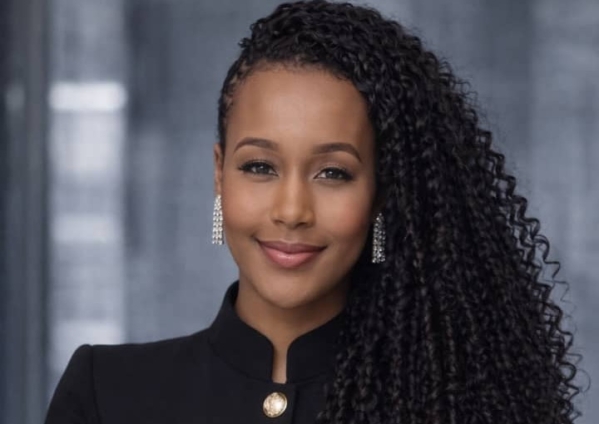
Following the historic passage of the UN resolution designating the Transatlantic Slave Trade as the "gravest crime against humanity", legal analyst and Founding Partner of Clinton Consultancy, Amanda Clinton, has provided a comprehensive look at the legal hurdles and monumental shifts ahead.
While the resolution, led by Ghana, has ignited hopes for compensation reaching into the trillions of dollars, Ms. Clinton cautions that the path from a General Assembly vote to actual financial restitution is fraught with legal complexity.
Slavery vs. The Holocaust
A central point of contention in the reparations debate is the argument from nations like the US and UK that slavery was legal under international law at the time. Ms. Clinton dismissed this as a definitive defence, drawing a direct parallel to the Holocaust.
"If Holocaust victims faced the Holocaust when it was legal in Germany at the time and have received billions of dollars, does the US argument stand that because slavery was legal, reparations shouldn't happen?" she questioned in reaction on March 28.
She noted that Holocaust reparations, negotiated since 1952, established a clear case of state responsibility for a defined crime. However, she highlighted a key distinction: "The Holocaust reparations were possible because they targeted identifiable victims and are still ongoing since survivors are alive."
The "Proximity" Problem
For legal practitioners like Ms. Clinton, the 400-year gap between the crime and the present day presents a "proximity" challenge that Western powers are already using to distance themselves from liability.
"Legally, proximity might be a difficult thing to prove," she admitted. "In contrast to the Holocaust, slavery and colonialism span centuries, involve multiple countries, and affect entire populations across generations, making liability and beneficiary harder to define."
Despite these hurdles, she argued that modern science could bridge the gap. She suggested that DNA testing and ancestral tracing, citing the Creoles in Sierra Leone as an example, could establish the "identifiable victims" that sceptics claim no longer exist.
A Frontline Victory
While acknowledging that UN General Assembly resolutions are not legally binding and face "kickback" from major powers who fear the trillion-dollar price tag, Ms. Clinton maintained that the resolution is far from symbolic.
"I certainly don't think that this is a fringe resolution. It is very much a frontline resolution because we're talking about hundreds of years of devastation," she said. She likened the current moment to the start of the Civil Rights or Women’s Liberation movements: "It started with one match, one light. Once you start that fire, it really can carry on."
The Ghana Factor and Future Scrutiny
As the nation that charged and led this monumental decision, Ghana finds itself in a position of global leadership on reparatory justice. However, Ms. Clinton warned that this move invites intense international scrutiny.
She questioned whether the eventual funds, should they materialise, would "trickle down to the people" or remain with governments.
"It is a big day that this resolution was passed... but as Ghana leads the way, analysts will be looking at where this leads in the next 12 months. It is a hotbed for inviting perhaps too much attention."
Regardless of the immediate financial outcome, the legal expert concluded that the day remains "monumental" for the profound, public identification that "something went very wrong a couple of hundred years ago".
Latest Stories
-
Girls must have equal place in Ghana’s digital future – Vice President
5 minutes -
High Court issues EOCO warrant to arrest Manhyia South MP Baffour Awuah
10 minutes -
Ghana at the heart of global PR excellence
18 minutes -
Ghana Institute of Architects clarifies position on ARC-ASG dispute amid ongoing case
19 minutes -
NDC supporters storm Fomena constituency office over alleged disqualification of chairman aspirant
22 minutes -
NPA CEO assures tanker drivers of action on welfare concerns
23 minutes -
Karpowership seeks contract extension as Ghana’s power demand grows
25 minutes -
Gender Ministry inaugurates committee to drive early childhood development
27 minutes -
Four Schools, One Crown: Prempeh, Corpus Christi, Mfantsipim and St Augustine’s battle for NIQ trophy
28 minutes -
HIV status cannot be used to deny employment under Ghana law – Ghana AIDS Commission
29 minutes -
Buffer Stock calls for expansion of national storage capacity as it falls below 50,000 metric tonnes
30 minutes -
Central Regional Minister urges use of religious platforms to change environmental, sanitation practices
52 minutes -
Henry Kweku Banning
53 minutes -
Execution of US murderer Christa Pike halted an hour before it was due to happen
55 minutes -
GoldBod generates US$1.87bn in FX in September, exceeds monthly target
58 minutes