

Audio By Carbonatix
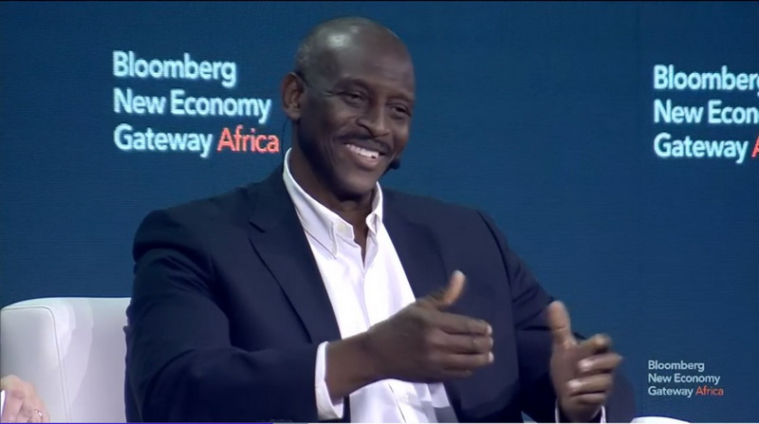
The President of Rugby Africa, Herbert Mensah, has described Morocco’s impressive FIFA World Cup campaign as a victory not only for the North African nation but for the entire African continent, saying it demonstrates how far African sport has come in overcoming decades of exclusion and prejudice.
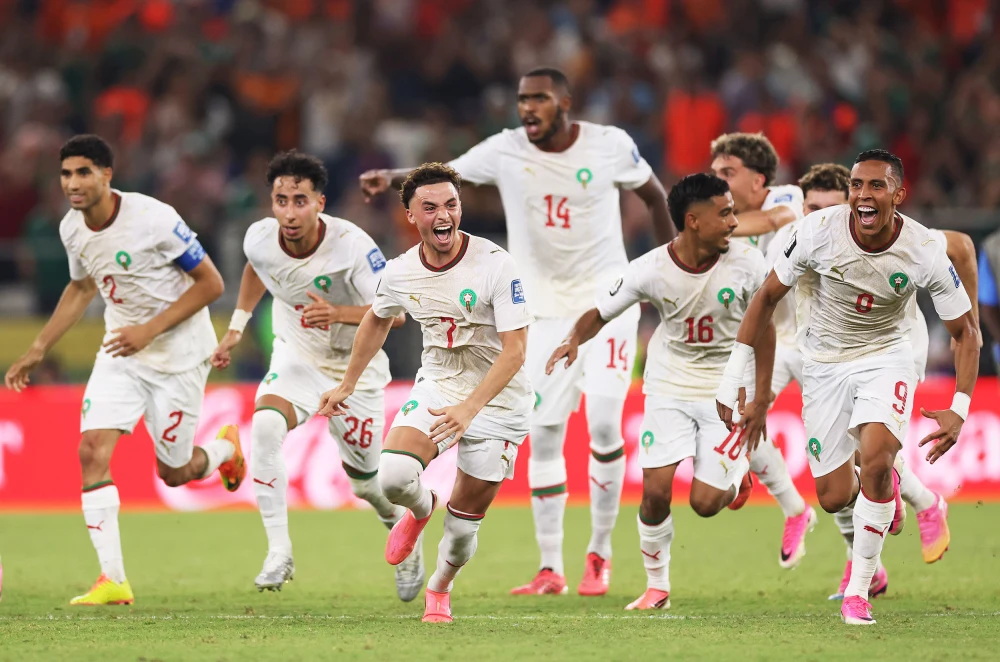
Speaking on the performances of African teams at the tournament, Herbert said Morocco’s victory over the Netherlands early Tuesday morning was one of the standout moments of the competition and underscored the growing competitiveness of African football on the global stage.
He noted that the tournament had produced several memorable matches involving African nations, including strong performances by Morocco, Ghana, Côte d’Ivoire and the Democratic Republic of Congo, challenging long-held assumptions about the capabilities of African teams.
According to him, the performances of African sides have disproved stereotypes that African teams lack the discipline, concentration or tactical sophistication to compete consistently with the world’s best.
“Morocco showed that African teams can compete with and defeat some of the strongest football nations in the world,” he said.
Herbert said one of the attractions of modern sport is its unpredictability, arguing that fans increasingly embrace competitions where outcomes are not predetermined by rankings or historical reputations.
He observed that the emergence of countries outside the traditional football powers has added excitement and commercial value to international tournaments, drawing greater interest from spectators, broadcasters and investors.
Beyond the football itself, Herbert Mensah reflected on Africa’s historical struggle for recognition within global football governance.
He recalled that in 1966 African nations boycotted the FIFA World Cup after the continent was denied a guaranteed qualification slot, forcing African teams to compete with nations from Asia and Oceania for a single place at the tournament.
Herbert said the boycott became a defining moment in African sporting history and reflected a broader movement for political and economic self-determination across the continent.
He linked that period to the efforts of African leaders, including Kwame Nkrumah, and the establishment of Confederation of African Football in 1957, which helped advance the continent’s demands for fair representation in international football.
According to him, Africa’s collective advocacy eventually led to FIFA guaranteeing the continent a place at the World Cup, paving the way for greater participation and progress over subsequent decades.
Herbert Mensah argued that the achievements being witnessed today are the result of generations of Africans who fought for equal opportunities in sport and other spheres of international life.
He also pointed to Africa’s role in global campaigns against apartheid, saying the continent’s history demonstrates the importance of unity in advancing common causes.
The Rugby Africa president urged Africans to continue working together and to avoid divisions based on geography, language or perceived status.
“We are one,” he said, stressing that many of the opportunities available to African nations today were secured through collective action.
Herbert further noted that African footballers possessed world-class talent long before the continent received broader recognition, citing past praise for Ghanaian football legend Osei Kofi from former England goalkeeper Gordon Banks.
He said Africa’s challenge today is not only to excel on the field but also to ensure that its stories are told from an African perspective.
Quoting a well-known African proverb, Herbert said history would continue to be shaped by others “until the lion learns how to write”.
He called on international sporting bodies to continue expanding opportunities and ensuring fair access for nations across the world, arguing that a more inclusive sporting landscape benefits both the game and its commercial future.
“Sport is a global business, and the stronger and more inclusive it becomes, the better the product will be for everyone,” he said.
He congratulated Morocco on its achievements, describing the team’s success as a milestone for African football and a reminder of the continent’s enduring resilience and progress.
Latest Stories
-
Gov’t targets recruitment of 16,500 health professionals in 2026
12 minutes -
Two-week strike will not derail academic calendar – GNAT President
27 minutes -
Headmaster detained after BBC investigation into alleged sexual abuse of students
37 minutes -
GNAT pushes for clear implementation procedures of teachers’ conditions of service
56 minutes -
Recurrent strikes threaten quality of education and academic calendars – Prof Bokpin
60 minutes -
‘Cockroach’ group leaders among hundreds detained in Delhi protest
1 hour -
Don’t let speed of information become your judgement – CJ tells new lawyers
2 hours -
World Cup visa scandal: People have leveraged public office to facilitate fraud – Senyo Hosi
2 hours -
Glut! Farmers count losses as prices crash, customers happy
2 hours -
GSA postpones auction of unserviceable vehicles
2 hours -
Man charged with attempted murder after stabbing
2 hours -
World Cup visa scandal: Senyo Hosi says issue goes beyond calls for Sports Minister’s resignation
2 hours -
Yaw Ampofo Ankrah hasn’t taken or received any money to facilitate visas – Lawyer insists
3 hours -
World Cup visa scandal: Senyo Hosi urges focus on constitutional accountability
3 hours -
La Beach demolition: Senyo Hosi condemns lack of consultation
3 hours