

Audio By Carbonatix
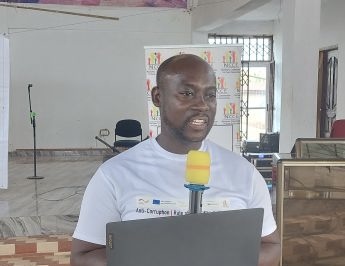
The Wenchi Municipal Director of the National Commission for Civic Education (NCCE), in the Bono Region, Francis Cudjoe, says weak oversight responsibilities at the various public institutions is undermining the nation's fight against corruption.
He stressed the need for the nation to strengthen its accountability systems, saying “the current accountability measures are fragile and must therefore be reinforced to safeguard the integrity of institutions in ensuring that public resources benefit the people”.
Speaking in an interview with the Ghana News Agency (GNA) on the sidelines of a civic education campaign held at Wenchi, Mr Cudjoe said that “individuals lacking moral convictions are more likely to exploit the loopholes in the system for their selfish gains”.
The NCCE organised the campaign in line with its implementation of the “Civic engagement on the rule of law and the fight against corruption project”, being supported by the Deutsche Gesellschaft für Internationale Zusammenarbeit (GIZ) GmbH and co-funded by the European Union (EU).
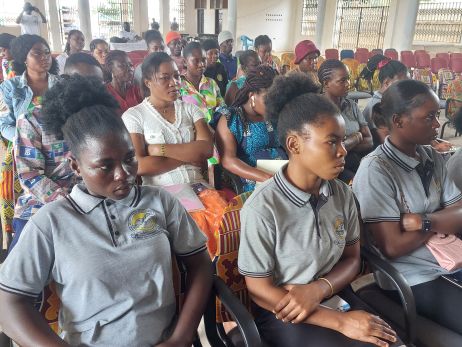
It is a two-year project targeting out-of-school people between the ages of 18 and 35 years and aimed at equipping them with practical knowledge of civic rights, legal protections within the Whistleblower Act and their respective roles in promoting transparency and accountability.
Mr Cudjoe said, “When people act without integrity, they manipulate procedures for personal gains, however the institutions work better when we have principled public officials upholding the process as intended”.
He said the NCCE remained committed to creating awareness and promoting core values like honesty, patriotism, and civic responsibility which were essential to building a better nation, warning that without those values, corruption would persist.
The Registrar of the Wenchi Municipal Commission of the Human Rights and Administrative Justice (CHRAJ), Emmanuel Kwame Sei, called for civic responsibility, citing Article 41(f) of Ghana’s 1992 Constitution which obliged citizens to protect public property and expose misuse of public funds.
He said the Whistleblower Act 2006 (Act 720) was enacted to protect informants who reported the misconduct of public officials, saying despite the Act people reporting alleged corrupt officials remained poor.
Mr Sei said averagely the Wenchi CHRAJ office received about 190 complaints annually, mostly human rights abuses and violations and called on the people to remain watchful and report issues of conflicts of interest and other forms of misconduct to the commission.
Latest Stories
-
GPRTU in Savannah Region to protest alleged eviction in Damongo
24 minutes -
Re: Reinsurance does not replace process — A response to the SIGA–SIC defence
38 minutes -
Gender Ministry supports Harriet Amuzu in ongoing abuse case
51 minutes -
AG joins plaintiff to scrap OSP ?: We should be mindful of the mischief in this – Bobby Banson
57 minutes -
Samson Lardy Anyenini questions willingness of Attorneys-General to prosecute political colleagues
60 minutes -
It is only fair the OSP is heard in Supreme Court case – Bobby Banson
1 hour -
Asiedu Nketia resumes Ashanti tour, second leg kicks off on Sunday
1 hour -
NLA denies salary cut claims, threatens legal action over reports
1 hour -
BoG Governor honoured for stabilising cedi, improve inflation
1 hour -
Kyebi Easter Homecoming 2026: A resounding success!
2 hours -
RNAQ divorce ruling: What the noise is hiding
2 hours -
Trade Minister applauds GUTA as a pillar of economic growth; Prez Mahama honoured
2 hours -
President’s brother’s takeover of Damang Mines is ‘untidy’ – Alhassan Tampuli
2 hours -
It’s not true that gov’t decided not to renew the lease for Gold Fields – Bobby Banson
3 hours -
Ghana to boost tomato production with 60-hectare irrigated farms and processing initiatives
3 hours