


Audio By Carbonatix
A new study on littering in Ghana suggests that public education messages may be more effective when they share two clear ideas at the same time: that more people are using bins and that the community supports and expects people to use bins.
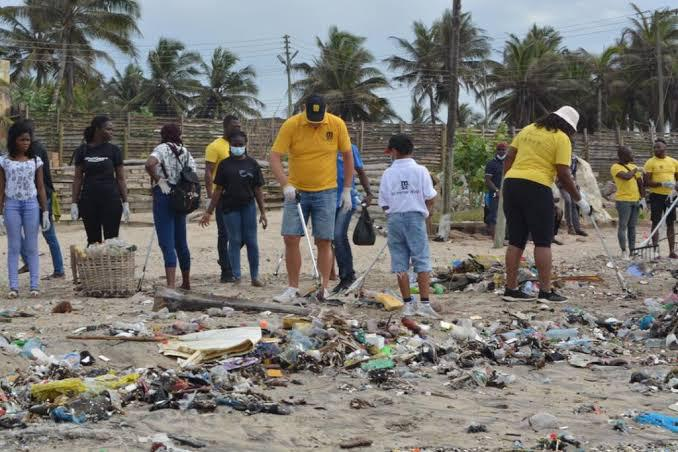
The research comes at a time when littering remains a major concern, especially in large cities.
The study, titled “Examining Anti-Littering Intentions in Ghana Through the Theory of Normative Social Behavior and the Influence of Dynamic Norms,” was published in the 2025 edition of Current Research in Ecological and Social Psychology. It was authored by Kwaku Sarpong Danso, MA; Taylor Ann Foerster, PhD; and Rain Wuyu Liu, PhD.
The study notes that Accra generates over 3,000 metric tons of waste each day and that up to 40% may end up in streets and other public spaces.
What The Study Looked At
The study examined why people choose to dispose of trash properly and what kinds of campaign messages might encourage better waste disposal.
To do this, the researchers carried out in-person, paper surveys with 527 adults in Accra in August 2024.
Participants were approached in public places, including markets, malls, major roads, and suburban areas.
Key Findings
The study found that single messages may not be enough. For example, only telling people that “many people use bins” did not strongly predict whether they planned to dispose of trash properly.
However, messages were stronger when they worked as a pair—combining what people are doing (for example, “more people are using bins”) and what people expect (for example, “people think using bins is the right thing to do”).
The research also found that personal and health reasons mattered a lot.

People were more likely to say they would use bins when they believed proper waste disposal protects their health and benefits them personally.
Why This Matters For Campaigns In Ghana
The authors suggest that anti-littering campaigns could be stronger when they show that good disposal habits are becoming more common, make it clear that the community supports proper disposal, and connect the message to everyday benefits people can relate to, especially health.
Latest Stories
-
GPRTU in Savannah Region to protest alleged eviction in Damongo
28 minutes -
Re: Reinsurance does not replace process — A response to the SIGA–SIC defence
43 minutes -
Gender Ministry supports Harriet Amuzu in ongoing abuse case
56 minutes -
AG joins plaintiff to scrap OSP ?: We should be mindful of the mischief in this – Bobby Banson
1 hour -
Samson Lardy Anyenini questions willingness of Attorneys-General to prosecute political colleagues
1 hour -
It is only fair the OSP is heard in Supreme Court case – Bobby Banson
1 hour -
Asiedu Nketia resumes Ashanti tour, second leg kicks off on Sunday
1 hour -
NLA denies salary cut claims, threatens legal action over reports
1 hour -
BoG Governor honoured for stabilising cedi, improve inflation
1 hour -
Kyebi Easter Homecoming 2026: A resounding success!
2 hours -
RNAQ divorce ruling: What the noise is hiding
2 hours -
Trade Minister applauds GUTA as a pillar of economic growth; Prez Mahama honoured
2 hours -
President’s brother’s takeover of Damang Mines is ‘untidy’ – Alhassan Tampuli
3 hours -
It’s not true that gov’t decided not to renew the lease for Gold Fields – Bobby Banson
3 hours -
Ghana to boost tomato production with 60-hectare irrigated farms and processing initiatives
3 hours