

Audio By Carbonatix
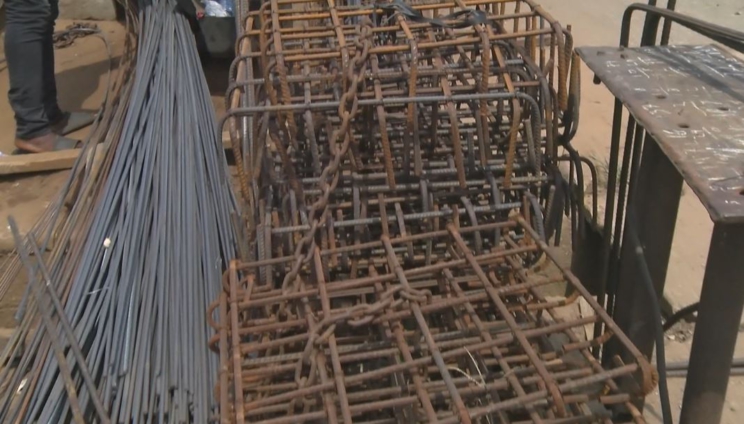
Project engineer at Kas Valley Properties, Nana Kwame Hayford has hinted that the building construction sector has been hit with unexpected difficulty due to covid-19 as the price of iron rods have shot up.
According to him, the situation has set most people backward, while “they hope that the prices will come down for them to continue their projects".
“Prices of materials have recently gone up and it’s so astronomical that people are finding it difficult to continue their projects,” he said.
He noted that in just three months, there had been an increment of iron rod close to 50%, a situation that is affecting their business.
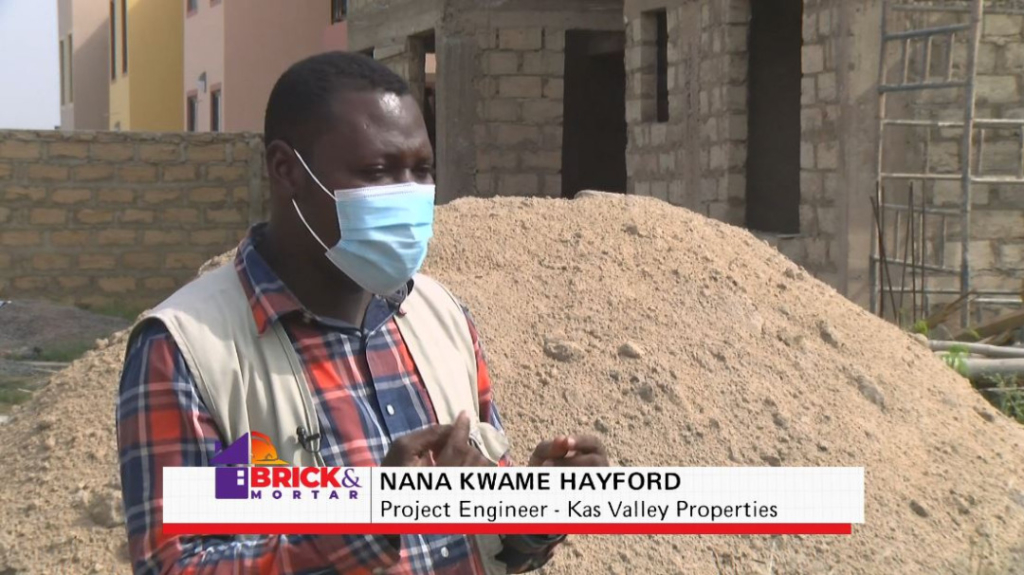
“When you take the iron rods for instant, in a spade of three months thus from November to now, it’s scaled up to 50%.
He explained that in November 2020, a ton of iron rod stood at GH¢3,500; however, the price has speedily shot up to Gh¢5,200.
He noted the situation has created problems for real estate builders as they are unable to continue the building projects for clients.
"Those who are bent on finishing the projects have their gains reduced because once you’ve signed a contract with somebody to build, it means that if prices goes up, it means that the company has to find ways and means to build as he/she [the client] has already committed.
"But this also comes with its own disadvantages, thus “if you don’t have a credible construction company, then you will be tempted to start cutting corners to enable you have the appreciable gains”, Project engineer at Kas Valley Properties, Nana Kwame Hayford said.
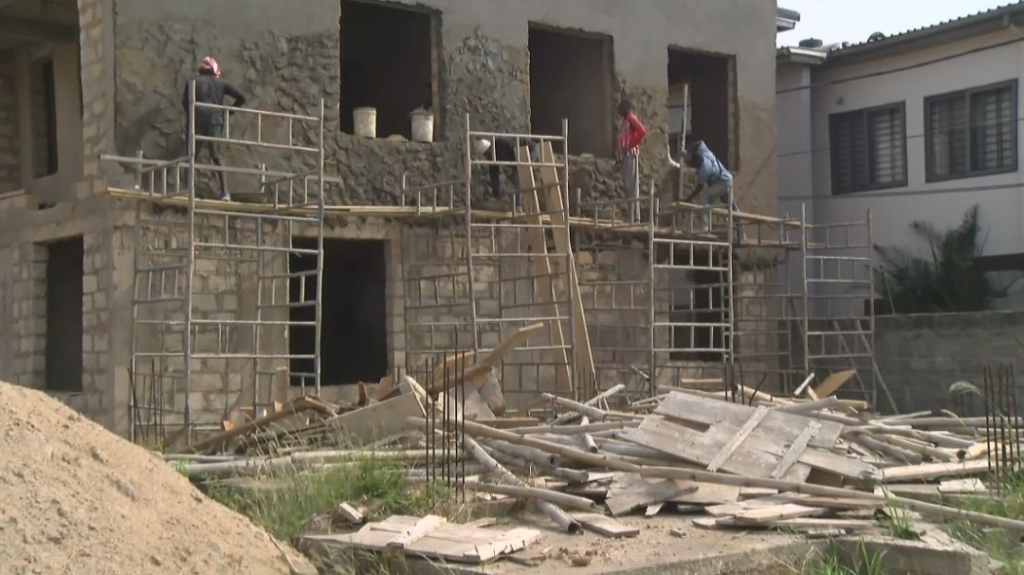
For him, credibility is key, a reason he is keen on taking the “shock and still continue doing quality work for the client” stressing that “at the end of the day it is integrity that plays a role because you can’t go back to a client once you already have an undertaking".
Another challenge facing building contractors according to Mr Hayford has to do with the quality of the materials such as the iron rods.
“Mostly, you realise that even the standard length that we have has been reduced. At first, we have a standard length of nine meters or 30 feet but now you go and sometimes you measure and you have like 28, six inches or a little over eight meters, 50 and all that.”
Latest Stories
-
GPL 2025/26: Dreams FC stage stunning comeback to hammer Eleven Wonders
37 minutes -
Livestream: The Probe examines Kumasi’s looming water crisis
40 minutes -
MTN Ghana gears up to lead Africa’s AI revolution
41 minutes -
Philanthropist Alhaji FuZak donates Da’wah bus to Ambariya Sunni community
49 minutes -
GUTA calls for suspension of Publican AI system over trade disruptions
51 minutes -
TTAG raises alarm over proposed recruitment of 7,000 teachers, demands national posting roadmap
1 hour -
Civilians feared killed after reports of air strike on Nigerian market
2 hours -
Bishop Simon Kofi Appiah installed as new Jasikan Diocese Bishop
2 hours -
Trump’s Strait of Hormuz blockade threat raises risks and leaves predicaments unchanged
2 hours -
US Court backs extradition of former MASLOC CEO Sedina Tamakloe-Attionu to Ghana
2 hours -
Seven arrested as NAIMOS dismantles illegal mining camp, seizes firearms at Boin River
2 hours -
Fire erupts at Madina Ritz Junction, destroys multiple wooden structures and containers
2 hours -
Daniel-Kofi Kyereh returns from long-term injury, registers assist for Freiburg U23
2 hours -
Knifeman calling himself ‘Lucifer’ slashes three at NYC’s Grand Central
3 hours -
Brands are built from within to without
3 hours