

Audio By Carbonatix
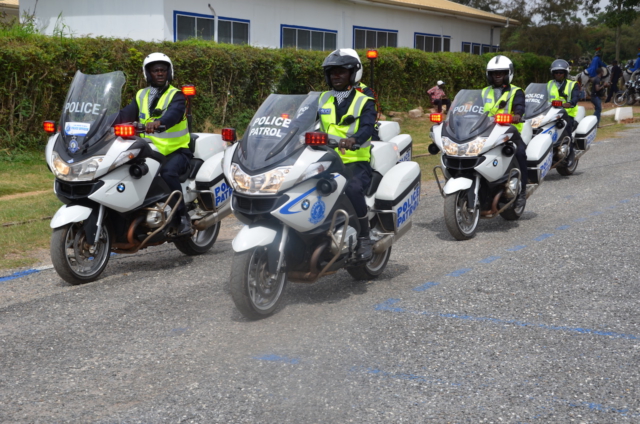
The Kumasi Divisional Police Command has announced plans to deploy personnel to the various churches and mosques within its jurisdiction as adherents are preparing to worship in their numbers in the coming days.
This is being done to ensure police presence at the places of worship, for effective enforcement of the COVID-19 preventive protocols, following the easing of some of the restrictions on public gatherings by the government.
“We are anticipating most of the churches and mosques would be preparing to re-open to their members very soon.
“Therefore, our decision is to patrol these facilities in making sure that the health and safety of the members were not compromised,” Chief Superintendent Frank Abrokwah, the Kumasi Divisional Police Commander, told the Ghana News Agency (GNA), Kumasi.
The President, Nana Addo Dankwa Akufo-Addo, in his recent address to lift the ban on church activities, said twenty-five per cent attendance with a maximum number of one hundred (100) congregants, could worship at a time in church or at the mosque.
This was to be done with a mandatory one metre rule of social distancing between congregants, with a maximum duration of one-hour for each service.
In addition to the mandatory wearing of nose masks, all persons at all times in churches and mosques, must also register their names and contact details, while hand-washing facilities and sanitizers are to be provided for their use.
Chief Superintendent Abrokwah said churches and mosques were expected to hold limited services, and reminded Christians and Muslims of their obligation to be law-abiding to mitigate the spread of the novel coronavirus.
He commended some churches and mosques in the Metropolis for living up to expectation by doing the right thing on the first day of their service, after the ban was lifted.
Greater Kumasi has recorded the second highest confirmed cases of COVID-19 in the country, with a total case count of 1,735 and 19 deaths, as of June 08, this year.
Chief Superintendent Abrokwah said everybody was at risk.
Consequently, there was the need for the people to take the required precautions in their lives to avoid contracting the disease and spreading the virus.
Latest Stories
-
Scholarships Authority and Fanaka University offer sponsorship for procurement and supply chain studies
2 minutes -
Bisa Kdei drops new single ‘Go N Look’ featuring Medikal
8 minutes -
Benin facing rising terrorism in north as French military presence faces growing criticism
9 minutes -
UEW Public Lecture Series 2026: Education debate ‘about the soul of Ghana’s future’ — Dr Ibn Chambas
10 minutes -
EU fingerprint and photo travel rules come into force from today
37 minutes -
Anti-LGBTQ+ Bill: Ghanaians demand expedited passage, not dialogue – Ntim Fordjour to Mahama
45 minutes -
EU airline industry warns of fuel shortages if Strait of Hormuz stays closed
48 minutes -
White House staff told not to place bets on prediction markets
56 minutes -
Auctioneers petition Prez Mahama over ‘interference’ in public auctions
1 hour -
GEA, Mastercard Foundation drive market access for MSMEs at Kwahu Business Forum
1 hour -
Education Ministry begins review of Ghana Library Authority law
1 hour -
Ghana U-15 girls clinch back-to-back CAF Schools titles
1 hour -
Rev. Ntim Fordjour urges Mahama to issue directive to fast-track anti-LGBTQ+ bill
1 hour -
GPL 2025/26: Stoppage-time penalty hands Aduana FC win over leaders GoldStars
1 hour -
Ntim Fordjour rejects call for more dialogue, says anti-LGBTQ+ bill has faced a decade of debate and delay
1 hour