

Audio By Carbonatix
Herbal Medicine Practitioner, Dr. Ebenezer Agyemang, is alarmed at the heavy metal concentrates found in herbs sourced from mining areas.
Already, some herbs and plants used as medicine are going extinct due to deforestation, mainly caused by illegal miners.
Founder of Ebenage Herbal Production, Dr. Agyemang observed growth in the herbal industry may slow down if the phenomenon persists.
“These are contaminants that are so toxic to the vital organs. The plants may be effective for consumption and medicinal purposes but due to the accumulation of these heavy metals like cyanide and mercury they will not be safe for consumption”, he said.

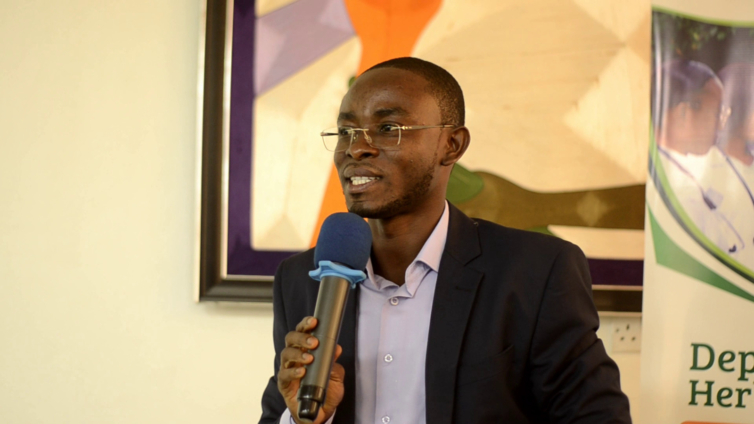
Dr. Agyemang addressing students of Herbal Medicine Department of the Kwame Nkrumah University of Science and Technology further revealed, “The rate of contamination is on the rise, if we don’t do anything about it now, we may be importing organic medicines free from contamination or we may be buying them at higher price”.
The World Health Organization (WHO) estimates that about eighty percent of people in the developing world depend on traditional medicine to meet their primary healthcare needs, further projecting the global market for herbal products will be worth US$5 trillion by the year 2050.
In Ghana, it is estimated 951 tons of crude herbal medicines were sold at Ghana’s herbal markets in 2010, with a total value of around US$7.8 million.
From the statistics, the relevance of herbal medicine remains enormous but the surge in illegal mining has caused deforestation leading to decreasing raw materials for industry players.
As the country continues to lose forest cover to illegal mining, herbal medicine practitioners are being encouraged to consider the cultivation of medicinal plants.
Dr. Agyemang wants the government to step up fights to halt illegal mining.
“We need to get measures in place now else the future will not be bright for the nation”, he emphasized.
Meanwhile, the forum which was to launch a research support fund dubbed “Hepa Plus Research Awards” also highlighted the potential for students to gain employment after their study.
Head of Department at the Herbal Medicine Department of KNUST, Prof. Isaac Kingsley Amponsah explains, "we have people who do not know how to write plant names, left alone to pronounce them but they are making it big in this field."
Latest Stories
-
Anti-LGBTQ Bill: Forget the rumour mongers, I’m a man of action, and will pass the bill – Speaker
45 minutes -
Women and children among those killed in Sudanese army shelling of wedding celebration
49 minutes -
President Mahama is not sincere with Ghanaians on LGBTQ bill matter – Hassan Tampuli
1 hour -
Gov’t to establish Prison Industrial Hub to equip inmates with income-generating skills – Prison Service boss
1 hour -
Alhassan Tampuli donates cement, roofing sheets to support storm victims in Gushegu
1 hour -
Alhassan Tampuli appeals for urgent support for storm victims in Gushegu
1 hour -
The hypocrisy must stop; pass Anti-LGBTQ+ Bill now – Alhassan Tampuli to Mahama
2 hours -
Imprisonment should be rehabilitative, not punitive – Ghana Prisons boss at UNGA
2 hours -
Ga Adangbe traditional priests petition Mahama over McDan aviation licence revocation
2 hours -
Anti-LGBTQ Bill: NDC’s arrogance is worrying – Hassan Tampuli
2 hours -
Let’s give OSP time to mature, not to scrap it – Hassan Tampuli
2 hours -
Nigeria convicts 386 Islamist militants in mass trials
2 hours -
Djibouti president wins election with 97.8% of vote, state media says
2 hours -
We don’t have mandate to deduct tax from rent allowance of security services personnel – Interior Ministry clarifies
3 hours -
Ablakwa receives Presidential Special Envoy on Reparations to advance global agenda
3 hours