

Audio By Carbonatix
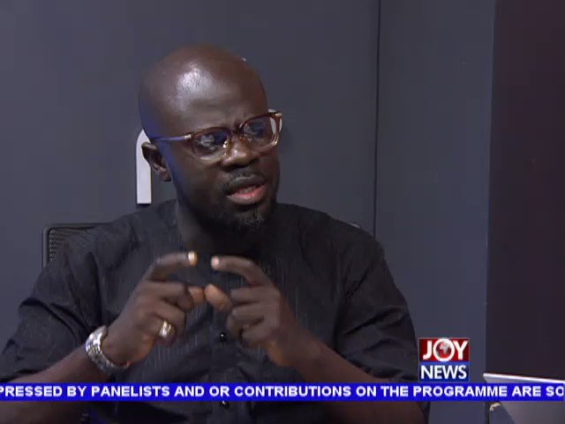
The Dean of the Faculty of Law at the University of Professional Studies, Accra (UPSA), Professor Ernest Kofi Abotsi, has raised concerns about the presidential pardon process, describing it as controversial and outdated.
According to him, presidents should not have the power to overturn judicial decisions by pardoning convicted individuals, as it undermines the integrity of the judicial system.
Speaking on JoyNews on Saturday, January 11, Prof. Abotsi argued that the origins of the pardon process are rooted in monarchies, where kings and queens held ultimate judicial authority. He contended that Ghana’s adoption of this practice under the current constitutional framework lacks historical justification.
"The issue about presidential pardon generally is one that I find, you know, controversial. I have never really accepted that aspect of our Constitution. I think that presidents should have no business pardoning people, when people are jailed or convicted in accordance with the judicial process, that should terminate it. And I do not think that presidents sitting in a political position should narrowly be given that power," he said.
His comments follow the outgone President, Nana Akufo-Addo, who has granted a presidential pardon to William Ato Essien and 10 other convicted individuals.
Prof. Abotsi acknowledged the difficulty of addressing certain cases, such as the pardon of William Ato Essien, the convicted banker linked to the financial sector crisis. He noted that the ongoing banking crisis makes such decisions hard for the public to accept.
“While humanitarian considerations, such as medical conditions, can justify pardons, it’s crucial to balance these factors with public sentiment and the broader implications for justice,” he said.
“Presidential pardons make no sense in a modern judicial system. They undermine the judiciary and should be reconsidered,” he added.
Prof Abotsi also criticised the politicised nature of the process, noting that many decisions are influenced by political connections and considerations rather than objective or humanitarian factors.
“We’ve seen presidents pardon individuals who ought not to be pardoned, leading to controversies and criticisms. This stems from inadequate consultation and support during the decision-making process,” he added.
Prof. Abotsi further highlighted systemic issues within Ghana’s prison system, which he believes require more urgent attention than the politically motivated pardoning of a few individuals.
He cited examples of prisoners on remand for over five years, some of whom have spent more time in prison than the maximum penalty for their alleged crimes.
“There are individuals in prison who were convicted improperly, with subsequent evidence proving their innocence. There are also prisoners suffering from debilitating health conditions who deserve humanitarian consideration. These cases often go unnoticed while politically connected individuals benefit from pardons,” he lamented.
Prof. Abotsi called for a broader, more transparent, and research-driven approach to the pardon process. He argued that the process must be depoliticised and grounded in empirical evidence to ensure fairness and accountability.
Latest Stories
-
NAIMOS has failed in galamsey fight; it’s time for a state of emergency – DYMOG to President Mahama
3 hours -
Mahama to open African Court judicial year in Arusha, mark 20th anniversary
3 hours -
Ghana begins partial evacuation of Tehran Embassy as Middle East tensions escalate
3 hours -
EPA tightens surveillance on industries, moves to cut emissions with real-time monitoring system
3 hours -
Police conduct show of force exercise ahead of Ayawaso East by-election
5 hours -
Ghana launches revised Early Childhood Care and Development Policy to strengthen child development framework
5 hours -
AI to transform 49% of jobs in Africa within three years – PwC Survey
5 hours -
Physicist raises scientific and cost concerns over $35m EPA’s galamsey water cleaning technology
6 hours -
The road to approval: Inside Ghana’s AI strategy and KNUST’s leadership
6 hours -
Infrastructure deficit and power challenges affecting academics at AAMUSTED – SRC President
6 hours -
Former US diplomat sentenced to life for abusing two girls in Burkina Faso
7 hours -
At least 20 killed after military plane carrying banknotes crashes in Bolivia
7 hours -
UK reaffirms investment commitment at study UK Alumni Awards Ghana 2026
7 hours -
NCCE pays courtesy call on 66 Artillery Regiment, deepens stakeholder engagement
7 hours -
GHATOF leadership pays courtesy call on Chief of Staff, Julius Debrah
7 hours