

Audio By Carbonatix
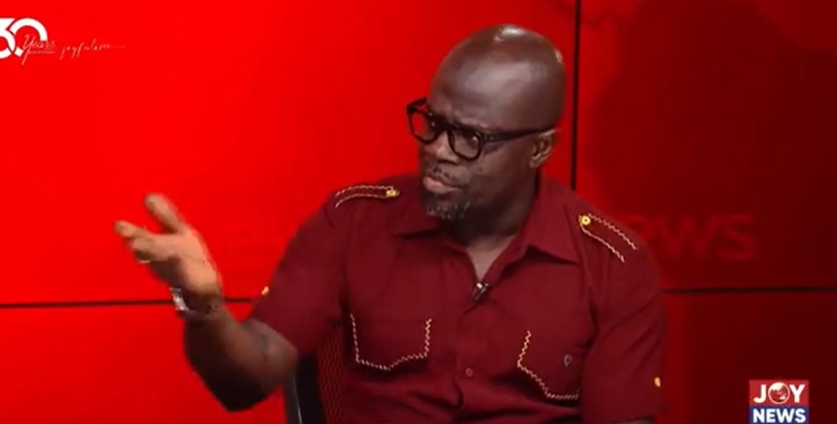
The Dean of the Faculty of Law at the University of Professional Studies, Accra (UPSA), Professor Ernest Kofi Abotsi, has expressed deep concern over the government’s failure to implement the recommendations of the Ayawaso West Wuogon (AWW) Commission report.
He believes this inaction has led to repeated electoral challenges, including issues witnessed in the 2024 general elections.
Speaking on JoyNews’ Newsfile on Saturday, January 11, Prof Abotsi highlighted the persistent nature of these problems stemming from a lack of commitment to the Commission’s findings.
“The fact that a whole commission was set up, recommendations made, and yet two-thirds of those recommendations remain unimplemented is baffling,” he stated.
The AWW Commission, established to address electoral violence and other irregularities after the 2020 elections, proposed practical solutions to enhance election integrity and security. However, according to Professor Abotsi, the government has largely ignored these recommendations, resulting in recurring problems in subsequent elections, including 2024.
“I have been particularly concerned, and in some cases, annoyed at the failure to implement the AWW Commission report. The consequences of the AWW incidents were repeated in the last election and keep getting repeated from one election to another.”
Professor Abotsi emphasized that many of the Commission’s recommendations are “low-hanging fruits” that could easily be implemented to address systemic issues. He noted that the government’s inaction not only wastes the resources spent on setting up the Commission but also perpetuates avoidable challenges.
Professor Abotsi urged the government to revisit the AWW report and prioritise its implementation, stating that doing so would significantly improve electoral outcomes. “Substantially implementing the report will solve a lot of the problems we’ve been facing,” he said.
He also reflected on the broader state of Ghana’s democracy, noting that the 2024 election results, which saw a significant mandate for the new government, reflected the electorate’s desire for change.
“The President’s speech post-election recognized that Ghana is not in the best place, and this acknowledgment is crucial for driving reforms,” he added.
Latest Stories
-
AFCON 2027Q: ‘Our Black Stars team is gone’ – Former Sports Minister
7 minutes -
Prof. Prempeh calls for public review of draft constitutional reform bills
19 minutes -
AFCON 2027Q: ‘I have never seen a poor performance from Black Stars like against Gambia’ – Nii Lante Vanderpuye
24 minutes -
Nigeria set to launch National Digital Address System 9 years after Ghana showed the way
47 minutes -
Policy rate decision takes time to reflect in lower lending rates – BoG
57 minutes -
Western Regional Minister applauds Karpowership’s role in Ghana’s power sector
1 hour -
Livestream: Road safety crises: Where are we getting it wrong?
1 hour -
Enterprise Life celebrates 25 years of protecting families and building trust
2 hours -
ICC London rules in favor of Ghana against Tullow over $400m tax charge
2 hours -
We are disappointed in ICC’s ruling over our corporate income tax assessment in Ghana – Tullow Oil
2 hours -
Cost of building inflation for August 2026 increases to 4.6% – GSS
2 hours -
Today’s front pages: Wednesday, September 30, 2026
2 hours -
Bawumia highlights agricultural, compulsory insurance reforms in IBAG engagement
2 hours -
Ghana will secure Tullow tax revenues while protecting Jubilee, TEN investments – Ato Forson
3 hours -
Ghana wins $393m Tullow tax arbitration as tribunal upholds GRA assessment
3 hours