

Audio By Carbonatix
A medical practitioner says women are more likely to suffer from stroke because of the prolonged consumption of oral contraceptives.
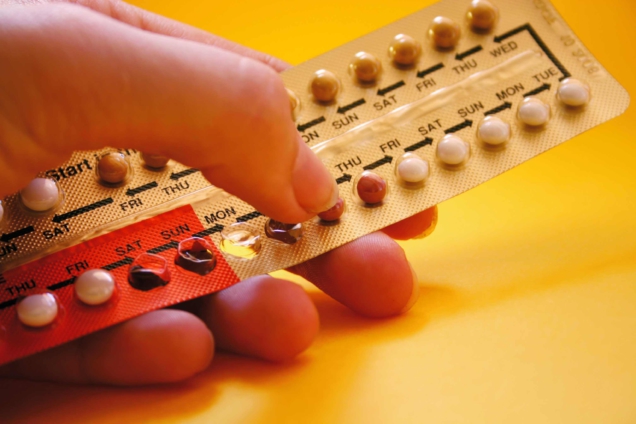
According to Dr Collins Abaitey Muzu, these oral medications when used for a long may result in clotting in the vessels which transport blood from the heart to the brain.
"The reason why women are said to have a higher risk of having stroke more than men is because of the use of oral contraceptives and pills."
"They’ve been found to increase the incidence of stroke because these medications increase the chances of clot formation in the blood vessels,” he said.

Speaking on Joy Prime’s Prime Morning, he explained that these clots block the free flow of nutrient-carrying blood to the brain causing the cells within that deprived part of the brain to die and hence stop functioning.
“There’s a type where there’s a clot that is blocking the flow of blood to the brain, there’s a clot that is sitting in the artery that goes to the brain or within the brain.”
“When that happens, because the artery is blocked and blood cannot flow beyond the clot, that part of the brain that is supplied blood by that particular artery will die off and lose its function, the cells within that brain will die because there’s no blood going in.”
“The brain has so many parts, and every part of the brain has a function that it performs, so if an artery that is going to the part that controls maybe my arm is impaired and then there’s no blood going to that part, that part of the brain loses oxygen and dies off and cannot perform its function.”
“That’s when you see that people have stroke and they can’t move their hand or their legs or they can’t talk because the part that controls that function is lost because there’s no blood or oxygen,” he explained.
Dr. Muzu also added that older or post-menopausal women who take hormone replacement therapies for a long time are at a higher risk of getting stroke due to clotting in the blood vessel which prevents blood from going into the brain.
This medication contains female hormones which tends to replace the estrogen that the body stops making during menopause.
Latest Stories
-
A source of excellence across generations – Vice President Opoku-Agyemang lauds Mfantsipim
12 minutes -
(Photos) Mfantsipim School launches historic 150th anniversary
35 minutes -
Knights and Ladies of Marshall group backs Catholic Bishops’ stance on anti-LGBTQ+
2 hours -
Bright Simons writes: All the Filla in the Ibrahim Mahama/E&P – Gold Fields Saga
2 hours -
Monetise Idiocy In Ghana
2 hours -
The Ghanaian prophet and the mysterious death of his scottish wife Charmain Speirs
3 hours -
Nearly 400 sentenced in Nigeria for links to militant Islamists
3 hours -
Ghana’s recovery supported by gold strength despite global oil price pressures – Standard Bank Research
3 hours -
Methodist Church hails Mfantsipim@150; calls for “fresh consecration” to excellence
4 hours -
‘Excellence is our inheritance’ – Nana Sam Brew-Butler hails Mfantsipim’s 150-year reign in leadership
4 hours -
Kwaku Azar writes: A-G vs OSP
4 hours -
Mfantsipim–Adisadel rivalry built excellence, not division – Sam Jonah
4 hours -
Vice President launches Mfantsipim’s 150 years of shaping Ghana’s greatest mind
5 hours -
I assure Otumfuo, Mahama will join him to commission KNUST Teaching Hospital by end of this year – Haruna Iddrisu
5 hours -
Barcelona dominate derby to extend La Liga lead
5 hours