

Audio By Carbonatix
Women's rights advocacy organisations and actors from across the Volta Region have been empowered to champion the inclusion of persons with disabilities, as disability is projected to increase in the near future.
Members from 40 organisations participated in a day’s Disability Inclusion and Accessibility Training for Women’s Rights Organisations workshop organised by the Women with Disability Development Advocacy Organisation (WODAO).
The workshop was organised under the Strengthening Civil Society Representation of Women with Disabilities Project, an EU-funded initiative implemented in partnership with Sightsavers.
It saw participants explore key concepts such as models of disability, inclusive language, accessibility principles, and practical steps for mainstreaming disability inclusion in advocacy work.
A practical, reflective, and action-oriented approach was adopted to tap into the expertise of these women’s rights advocates and organisations, who are working at the grassroots.
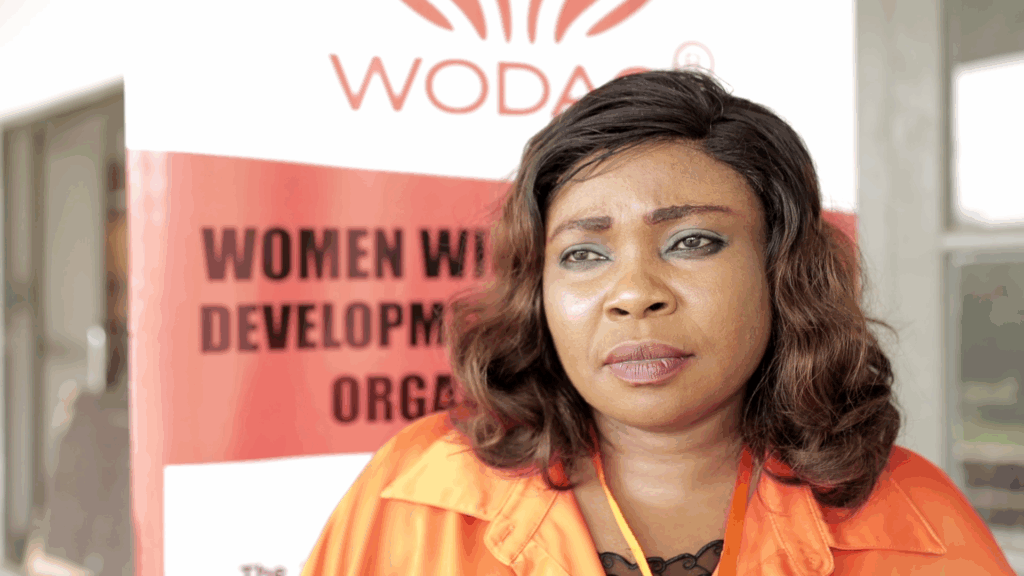
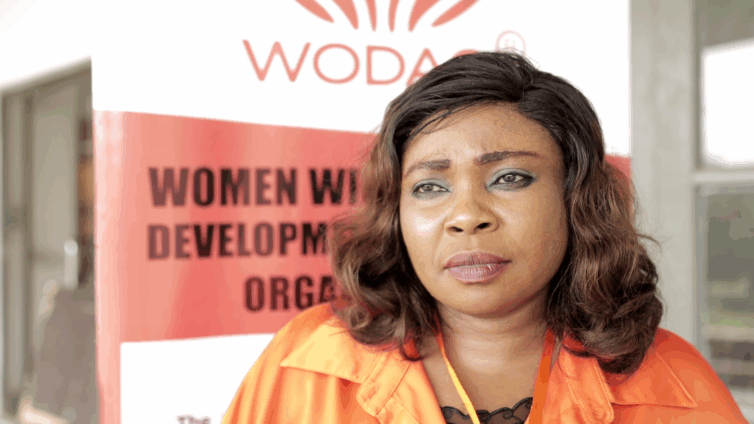
Addressing the workshop, the Executive Director of WODAO, Veronica Adenyo Kofiedu, said the project aims to enhance the capacity of civil society organisations to enable them understand the perspective of disability, gender mainstreaming, among other related topics.
She said this is ultimately targeted at improving their “advocacy work and how they can integrate issues of women with disability in their programming at their various workplaces”.
She emphasised how modules formulated to address issues of disability have traversed from medical, social, charity, and now human rights, which gives an equal opportunity for persons with disabilities “to express themselves as a human being and also work or live their lives independently”.
She stressed the importance of the inclusivity of issues of disabilities in policies, programs, and agendas of the government, institutions, and individuals to “enable persons with disabilities to live their independent lives without being dependent on others.”
“And they will also live their lives as social actors, and they will give out their best, their quotas as development actors in society”, she concluded.
Latest Stories
-
Libya’s military seizes narcotics after firefight with smugglers
2 hours -
At least 139 migrants dead, including some children, after boat from Djibouti to Yemen capsizes, UN agency says
2 hours -
“US Embassy introduced TRIBE Culture Fest to NSA, GTA” – Kofi Adams
2 hours -
“NSA did not tell us of any embassy arrangement” – Kofi Adams
3 hours -
Kumasi records third commercial fire in three days
4 hours -
Trump faces growing backlash over plans to import diesel from Russia
4 hours -
AI is less regulated than milk, says Microsoft president
4 hours -
Boots sold in £7bn deal to Canadian billionaire family
4 hours -
Glasner suffers loss on Selhurst return as Palace beat Forest
4 hours -
WAFU B U17: ‘We won but I expected more from my boys’ – Kassim Ocansey
4 hours -
Royal Mail plans to cut 2,500 jobs
4 hours -
Man City cruise to statement win over 10-man Liverpool
4 hours -
Citroen revives the 2CV for an electric age
4 hours -
Blind guide dog owner says quiet EVs put lives at risk
5 hours -
Hamilton apologises to Ferrari as Antonelli moves to brink of title
5 hours