

Audio By Carbonatix
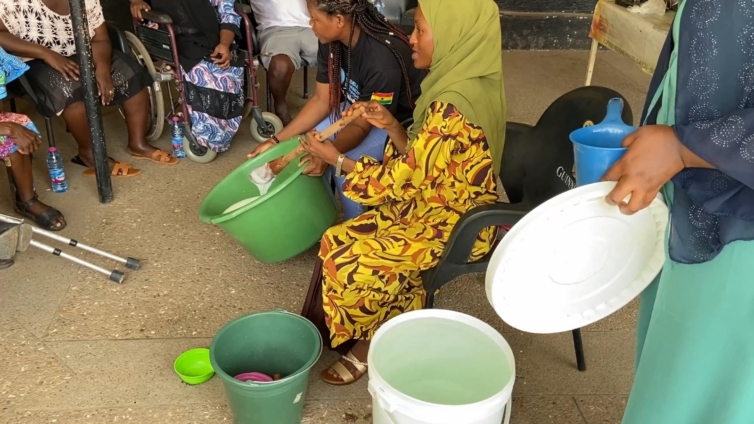
Fifteen persons living with disability in Kumasi have been empowered to produce hand-made products to improve their livelihoods.
The beneficiaries often face mobility challenges due to their disabilities affecting their financial strengths.
The training, by the Mandela Fellows, encourages efforts of the persons with disability to be able to start, own and run income-generation trades.

Inclusiveness in entrepreneurship and in the workforce demands concerted efforts from society.
Persons with disabilities encounter barriers in securing physically demanding yet decent income-generating jobs.
Recognizing this obstacle, the Mandela Fellows designed a specialized training program to equip PWDs with the necessary skills in soap making, a trade that can be managed from home and other accessible locations.

The soap-making initiative is a collective venture led by Gifty Adzigbey and Shaibu Fuseini.
Gifty says the initiative is an effort to spotlight inclusiveness and help beneficiaries with a livelihood skill.
“We want to be sure that whatever we are teaching them, they are picking it up. We will help them with packaging and how to brand their products.
“We will follow up and nurture them to grow. We should be able to use them as focal people to earn a living for themselves,” she said.

The fellows sensitize 130 students of Ibadur Rahman Senior High School to build their self-confidence, and sense of purpose and uphold inclusion.
Gifty says the outreach will leave the students and beneficiaries well-informed on the topic of inclusion.
“People have misconceptions about people with disability and there's no inclusion.
“It only exists on paper. Practically it is not there. So our engagement and speakers took away the false sentiments and enlightened them,” she said.
Some beneficiaries expressed happiness, indicating that the skills acquired will allow them to have a supplementary source of income.
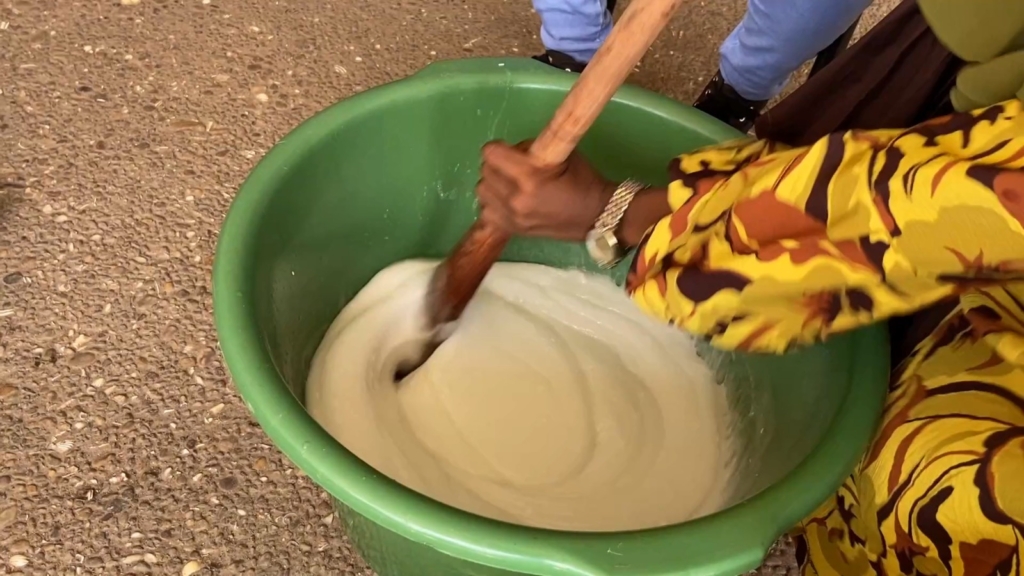
“We will earn some money to take care of the family. It will also keep as working all the time and we won't find ourselves on the streets begging,” they said
Beneficiaries were given start-up kits to begin their entrepreneurship journey.
Latest Stories
-
Xoese Ghana: NGO helps 5 couples overcome infertility and welcome own babies
4 minutes -
Asiedu Nketia begins 3-day ‘Thank You Tour’ of Ashanti Region
26 minutes -
Ablakwa makes a case for reparatory justice at UN
30 minutes -
John Jinapor debunks Pwalugu Dam payment claims, says contractor was paid but abandoned project
32 minutes -
Full text: President Mahama’s speech at UN Resolution on Slavery
37 minutes -
Tomato import ban by Burkina Faso a ‘blessing in disguise’ – PFAG urges swift gov’t action
43 minutes -
Agric Minister fires back at FABAG over tomato crisis
44 minutes -
Eating the giants: The climate cost of Techiman’s vanishing “bungalow mountains”
48 minutes -
President Mahama urges leaders to ‘speak truth to power’ ahead of UN slavery resolution vote
48 minutes -
International relations expert calls for justice and apology for centuries of African suffering
51 minutes -
Fellow Ghanaians: The hospitals we have to be ashamed of
52 minutes -
Truth at risk: Journalism in the age of artificial intelligence
57 minutes -
Atrocities against enslaved Africans happened because they were seen as objects – Mahama
1 hour -
We need to reclaim dignity and humanity of Africans – Mahama
1 hour -
UN resolution on slavery aims to confront slave trade’s enduring injustice – Okudzeto Ablakwa
1 hour