

Audio By Carbonatix
'Resetting' an economy usually involves substantial changes or reforms aimed at correcting structural weaknesses, boosting efficiency, and promoting sustainable growth. These measures can vary depending on a country's specific circumstances, but generally include the following:
- Restoring macroeconomic stability: Addressing issues such as high inflation, persistent fiscal deficits, excessive debt levels, restructuring SOEs, and reducing risks to the fiscal, etc. This might also require monetary and exchange rate policy reforms, fiscal austerity measures, or debt restructuring.
- Deep structural reforms: Modifying the fundamental frameworks of the economy to enhance productivity and competitiveness. This could involve further deregulation, labour market reforms, and changes to trade policies, etc.
- Institutional reforms: Improving the effectiveness of institutions that support economic activity, such as the legal system, regulatory bodies, and financial institutions. This could include tackling corruption, improving governance, and strengthening property rights.
- Financial sector reforms: Addressing issues within the banking and financial sector to restore stability and ensure efficient capital allocation. Specifically, this might involve recapitalizing banks, enhancing regulatory frameworks, resolving non-performing loans, and promoting local ownership in Ghana’s financial sector, etc.
- Social and human capital development: Investing in education, healthcare, and social protection systems to reduce poverty and inequality, promote healthcare and education and ensure long-term sustainable growth.
- Innovation and technology: Promoting innovation, advancing technology adoption, and fostering digital transformation to create new growth opportunities.
Hence, the term "reset" implies a comprehensive and fundamental overhaul rather than incremental adjustments (or “upgrading,”). Such resets typically occur in response to a crisis or prolonged stagnation, similar to what Ghana is currently experiencing. Historical examples include the structural adjustments in Latin America during the 1980s and 1990s, transformations in Eastern Europe post-communism, and efforts to address economic turmoil in the wake of the global financial crisis in 2008. The specific details on the NDC’s comprehensive reset agenda for a better Ghana, are all contained in their 2024 Manifesto for reference.
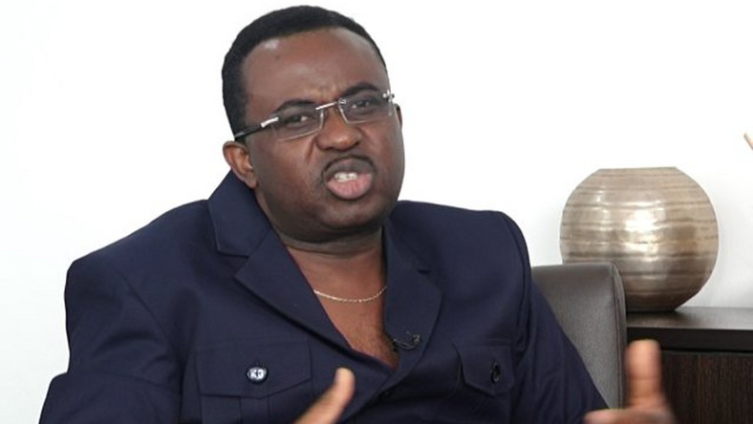
**The writer is a former Deputy Governor of the Bank of Ghana (BoG)
DISCLAIMER: The Views, Comments, Opinions, Contributions and Statements made by Readers and Contributors on this platform do not necessarily represent the views or policy of Multimedia Group Limited.
Tags:
DISCLAIMER: The Views, Comments, Opinions, Contributions and Statements made by Readers and Contributors on this platform do not necessarily represent the views or policy of Multimedia Group Limited.
Latest Stories
-
US, Iran fail to reach peace agreement after marathon talks in Pakistan
56 minutes -
Port crises loom as 11,000 drivers threaten four-day strike
2 hours -
A source of excellence across generations – Vice President Opoku-Agyemang lauds Mfantsipim
2 hours -
(Photos) Mfantsipim School launches historic 150th anniversary
3 hours -
Knights and Ladies of Marshall group backs Catholic Bishops’ stance on anti-LGBTQ+
4 hours -
Bright Simons writes: All the Filla in the Ibrahim Mahama/E&P – Gold Fields Saga
4 hours -
Monetise Idiocy In Ghana
4 hours -
ECG kicks off Phase Two of transformer upgrades at Lashibi; brief outages expected
5 hours -
The Ghanaian prophet and the mysterious death of his scottish wife Charmain Speirs
5 hours -
Nearly 400 sentenced in Nigeria for links to militant Islamists
5 hours -
Ghana’s recovery supported by gold strength despite global oil price pressures – Standard Bank Research
5 hours -
Methodist Church hails Mfantsipim@150; calls for “fresh consecration” to excellence
6 hours -
‘Excellence is our inheritance’ – Nana Sam Brew-Butler hails Mfantsipim’s 150-year reign in leadership
6 hours -
Kwaku Azar writes: A-G vs OSP
6 hours -
Mfantsipim–Adisadel rivalry built excellence, not division – Sam Jonah
6 hours