

Audio By Carbonatix
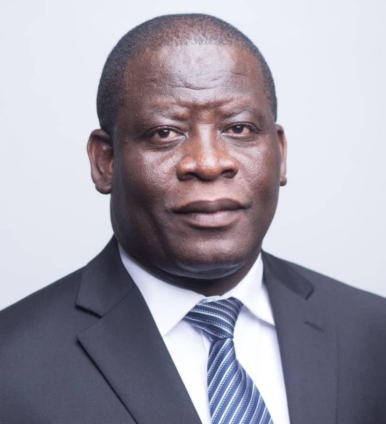
Co-chair of the Ghana Extractive Industry Transparency Initiative, Dr Stephen Manteaw has said that Ghana's Right to Information (RTI) Law in its current form does not fully support efforts to counter illicit financial flows.
He said the Law would have to be used together with other transparency legislations such as Beneficial Ownership, Open Contracting and the Petroleum Register to achieve its purpose.
Dr Manteaw was speaking at a day's media capacity building workshop in Accra by the Tax Justice Coalition, with sponsorship from Open Society Foundations (OSIWA) on the, “Beneficial Ownership (BO) and the RTI Law: what role and opportunities are there for journalists in curbing Illicit Financial Flow in Ghana.”
He said the RTI had some exemptions that were not healthy to the implementation of the law, which included; information that affected the security of the state, economic and any other interest and information on tax.
Other exemptions are information relating to Cabinet, information relating to law enforcement and public safety and information affecting international relations.
He said with that, “I do not see the uniqueness of the RTI law in the fight against corruption in the country so we will continue to use the 1992 Constitution in addition to fight the menace.”
Dr Manteaw said there were also concerns in the implementation of the law apart from the weaknesses identified earlier.
On the BO, the Co-chair said secret ownership structures enabled some extractive companies to evade payment of tax and also hidden ownership posed problems for honest companies, as they did not know who they were doing business with.
He said the risk of anonymity of ownership created wealth in the pockets of a few at the expense of advancing development to the benefit of the larger society.
Dr Manteaw said, “Corporate anonymity facilitates a phenomenon known as capacity fight removing wealth from one nation and transferring that wealth to another.”
Mr Vitus Azeem, Chairman Tax Justice Coalition who launched the Financial Bleeding Register, said the register, in the form of a website would be used to compile malfeasance and corruption occurring in the country for the attention of the public.
He commended journalists for efforts in educating the public on issues of taxation and Illicit Financial Flows (IFFs) in the country.
Mr Bernard Anaba, Policy Analysts at the Ghana Tax Justice Coalition said the website also provided for Ghanaians a session to record any issues on malfeasance.
He said the workshop was expected to improve the understanding and participation of media practitioners on the issues of taxation, tracking and reporting of financial malfeasance, particularly to help curb the phenomenon of IFFs in Ghana.
“It is to educate participants on new ways to fight corruption and IFFs by interacting and learning from each other,” Mr Anaba said.
Latest Stories
-
GPL 2025/26: Dreams FC stage stunning comeback to hammer Eleven Wonders
54 minutes -
Livestream: The Probe examines Kumasi’s looming water crisis
57 minutes -
MTN Ghana gears up to lead Africa’s AI revolution
58 minutes -
Philanthropist Alhaji FuZak donates Da’wah bus to Ambariya Sunni community
1 hour -
GUTA calls for suspension of Publican AI system over trade disruptions
1 hour -
TTAG raises alarm over proposed recruitment of 7,000 teachers, demands national posting roadmap
2 hours -
Civilians feared killed after reports of air strike on Nigerian market
2 hours -
Bishop Simon Kofi Appiah installed as new Jasikan Diocese Bishop
2 hours -
Trump’s Strait of Hormuz blockade threat raises risks and leaves predicaments unchanged
2 hours -
US Court backs extradition of former MASLOC CEO Sedina Tamakloe-Attionu to Ghana
2 hours -
Seven arrested as NAIMOS dismantles illegal mining camp, seizes firearms at Boin River
2 hours -
Fire erupts at Madina Ritz Junction, destroys multiple wooden structures and containers
2 hours -
Daniel-Kofi Kyereh returns from long-term injury, registers assist for Freiburg U23
3 hours -
Knifeman calling himself ‘Lucifer’ slashes three at NYC’s Grand Central
3 hours -
Brands are built from within to without
3 hours