

Audio By Carbonatix
A dental surgeon has advised the public to promptly get a diagnosis for the cause of their halitosis (bad breath) because multiple factors cause them.
Dr Louisa Ansong-Satekla advised that proper oral hygiene, she advised, would, however, help to prevent the menace.
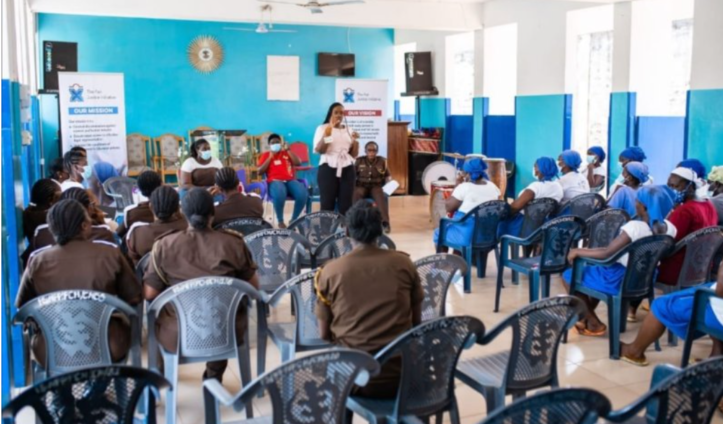
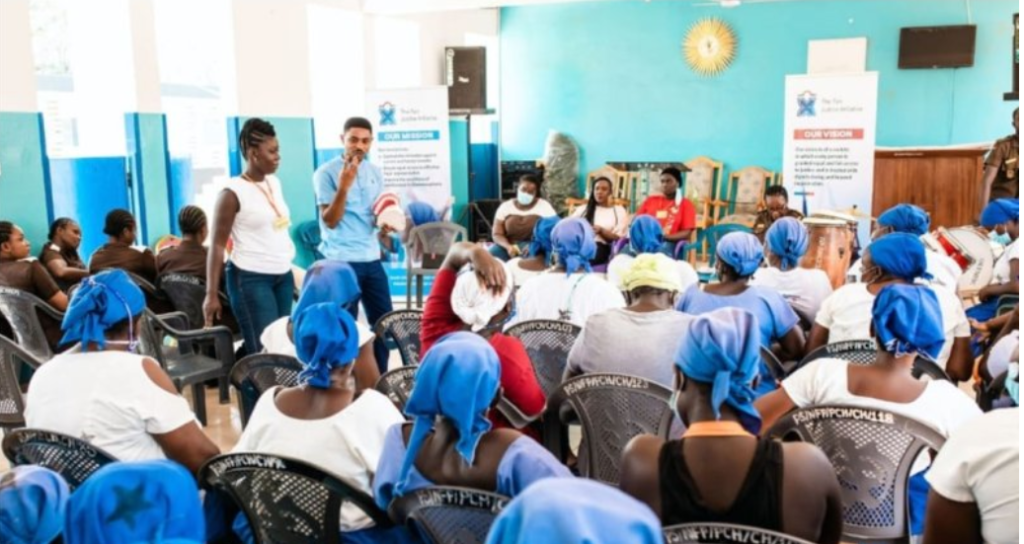
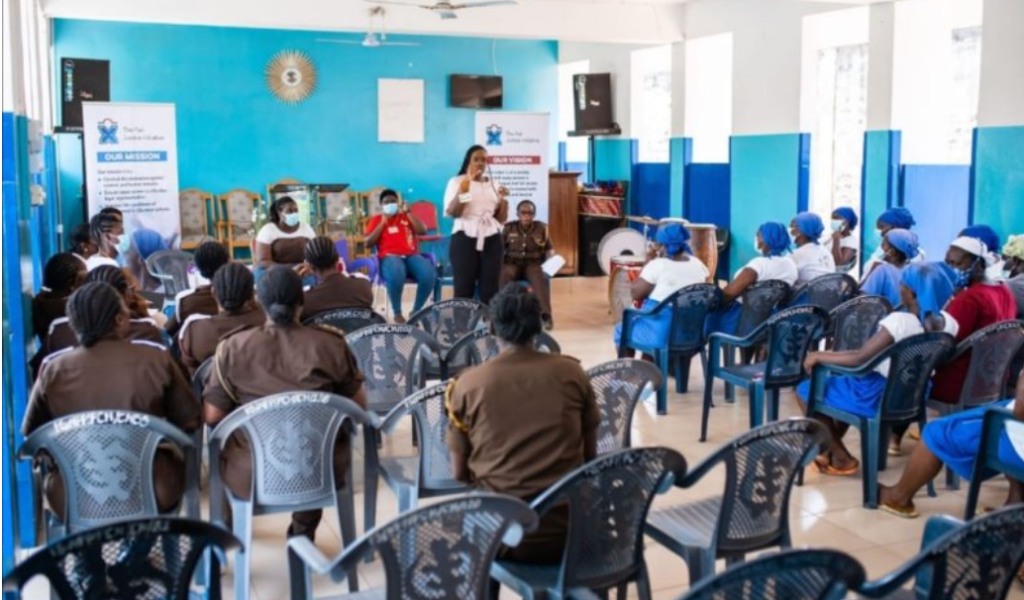
Dr Ansong Satekla was speaking to female detainees of the Nsawam Medium Security prisons as part of a programme organised by Fair Justice Initiative, an NGO committed to detainees' welfare, in collaboration with Charisma Dental, where she practices.
The event was to commemorate International Oral Health.
Halitosis is an oral health problem where the main symptom is bad-smelling breath.
The causes are foods such as garlic and onions, poor oral health care; odour-causing bacteria
on the tongue; periodontal disease; dry mouth; oral cancer and respiratory infection.
The use of tobacco products; chronic bronchitis; postnasal drip; chronic sinusitis; diabetes;
gastrointestinal disorder; and liver or kidney disorder are also some of the causes.
A senior medical officer and dentist at the Korle-Bu Teaching Hospital, Dr Simon Agyeman,
therefore, advised all to clean their teeth twice a day to maintain a healthy dentition.
He said the cleaning ritual and two annual visits to the dentist were best practices to
ensure healthy oral care for any individual.
Without the correct and regular brushing and flossing and routine dental exams, food remains
in the mouth.
This is a breeding ground for bacteria as food that collects on the teeth, gums, and tongue may
rot.
This causes an unpleasant odour and taste in the mouth.
Also, certain bacteria on the back of the tongue can interact with amino acids in foods and produce smelly sulfur compounds.
In an engaging session, which elicited questions from the detainees, Dr Agyeman demonstrated how the teeth should be cleaned, the frequency, the prevention of caries and the importance of early treatment to avoid complications, which can lead to death.
He also demonstrated the best way the teeth are cleaned with both toothbrushes and a chewing stick.
FJl presented packages of toothbrushes and Pepsodent toothpaste provided by Unilever Ghana to more than 60 detainees.
A detainee, who assisted with communication, expressed their appreciation to FJI and its partners for the programme.
She said it was timely in the observation of International Oral Health Care Day as they had viewed other sensitisation activities on television and wondered how they could benefit from such a programme.
Programmes Manager at FJI, Adwoa Owusu-Manu, aid the Initiative was committed to the welfare of the detainees and would continue to provide them with the care needed, with
their partners.
FJI supports the feeding of the detainees, provides some of their health needs, organises vocational skills training and offers them legal services.
Latest Stories
-
‘We’ve become quite experienced in negativity’ – Liverpool’s Slot
1 hour -
Legendary manager Lucescu dies days after resigning
2 hours -
One dead as train travelling 99mph collides with lorry in France
2 hours -
Airlines cut flights and hike fares as fuel prices surge
2 hours -
Kane inspires Bayern to first-leg advantage over Real Madrid at Bernabéu
2 hours -
Wireless Festival cancelled after Kanye West blocked from coming to UK
3 hours -
Wa West MP commissions five boreholes for the benefit of his constituents
3 hours -
Havertz’s late strike hands Arsenal narrow first-leg advantage over Sporting
3 hours -
Damang mine award: Minority not against Ghanaian participation; we’re asking for fair process – Konadu
3 hours -
NPA to enforce stricter registration rules for petroleum tankers
3 hours -
Manhyia South MP laments decline in hospitality operations in his constituency
4 hours -
How a simple clean charcoal innovation could benefit Ghana’s climate future
4 hours -
NPA, COMAC launch Safety Week 2026 to promote risk management in petroleum sector
4 hours -
Stakeholder engagement resolves onion trade impasse
4 hours -
Gender Ministry holds staff durbar, welcomes new Chief Director
4 hours