

Audio By Carbonatix
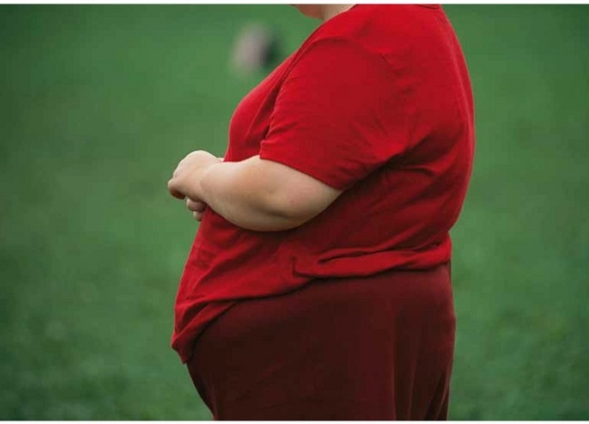
Medical experts have raised critical concerns about how society is increasingly contributing to a rise in obesity cases in Ghana.
In the nineties (90s), 10% of children were obese, but that number has doubled currently to 20%, a significant rise over the years, deemed a huge problem in the country.
They point to criticisms against others who lose weight, saying the attitude has made it difficult to curb the challenge, as victims fear being tagged with negative perceptions.
The idea of weight loss scares the majority of Ghanaians, especially females, and every society has a perception about certain things and will always have their opinion about things they think are unusual to them.
This makes most people afraid to inculcate daily habits that could help them lose weight to avoid questions about whether they are sick or ignoring their health.
Specialist Family Physician at CREATE Ghana, Dr. Nana A. Konadu Darko, said on Joy Prime’s Prime Morning show that it is gradually becoming a huge problem because some people would prefer to add on weight even though they may be naturally thin.
“Our society in terms of our values, food, and sometimes individuals. When you put on weight, people say you’re looking nice; you’re looking good, and everything is okay. But when you start losing weight, they ask questions like, are you sick? Is something wrong? Are you worried? While you may have noticed that it’s not good for your health so you’re trying to do something about it.
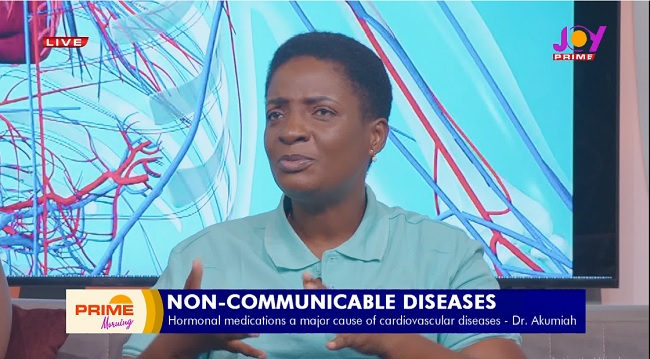
“I know people who have lost so much weight in the hospital and they come and they’re like their relatives, husbands, and wives are like, do they have HIV? Is there something they should know? Whilst it’s nothing except they‘re just trying to lose their weight.”
Some people have a predisposition to having more weight, particularly in families, but Dr. Darko said it does not make it right, although it could be genetic.
She said that “It’s not about getting to the ideal weight tomorrow. It’s about having that thought at the back of your mind that my choices will impact my body and what happens to it.”
The physician cited some daily human activities that complement obesity: sitting at home with children for longer hours to watch devices; not much physical education (PE) in schools these days; and sitting down at the workplace for six hours straight (a health risk).
Other factors that predispose one to obesity include unhealthy eating, lack of exercise, excessive stress, certain mental health disorders, and hormonal conditions such as hypothyroidism.
Latest Stories
-
3rd edition of Democracy Cup launched, with main event scheduled for August 30 in Kumasi
5 minutes -
Ghana strengthens child road safety with new driver’s guide and amendment act
7 minutes -
GPRTU to await President’s fuel tax cut before finalising fare adjustment
11 minutes -
ECG Billing concerns raise questions about Transparency and Consumer Trust
15 minutes -
Three years on, Tongu flood victims still wait as chief pleads for help
27 minutes -
Middle East tensions drive fuel surge, but local costs hurt more — GPRTU
29 minutes -
What a Shock! When “Party People” stop being Party People
30 minutes -
Government clears debt as Suame Interchange project set to resume – Roads Minister
38 minutes -
GPRTU gives government 48 hours to cut fuel taxes before pushing for fare hike
40 minutes -
Pepsodent deepens impact with nationwide schools programme as part of World Oral Health Day activities
46 minutes -
Cabinet approves $250m AI centre to boost tech innovation
54 minutes -
Today’s front pages: Wednesday, April 1, 2026
60 minutes -
ACEP urges incentives for private fuel storage as prices surge in Ghana
1 hour -
From recognition to reinvention: Marking one year of Dr Philip Oti-Mensah’s era at UMB
2 hours -
Restoring a national institution: The leadership blueprint behind NIB’s revival
2 hours