

Audio By Carbonatix
The global remittance market is vital for sustaining families and communities in developing nations, including Ghana. Millions of Ghanaians rely on remittances from abroad to meet basic needs such as education, healthcare, and housing. However, the high cost of sending money across borders poses significant challenges, particularly for low-income households.
The Cost of Sending Money
According to the World Bank, the average global remittance cost is 6.3%, exceeding the 3% target set by the United Nations Sustainable Development Goals. In Ghana, these costs can be particularly burdensome, making it essential to explore avenues for reducing them.
Opportunities for Reducing Remittance Costs in Ghana
Adoption of Digital Financial Services:
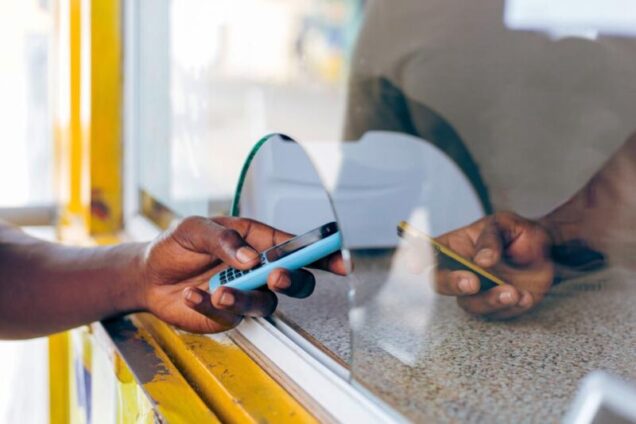
Mobile Money: Ghana has seen a significant rise in mobile money platforms, which have transformed financial transactions. These services cut out intermediaries and reduce cash handling, leading to lower costs for sending funds internationally.
Blockchain Technology: The decentralized nature of blockchain can streamline payment processing and eliminate middlemen, making remittances faster and more affordable for Ghanaians.
Emergence of Fintech Companies:
New fintech firms are disrupting the traditional remittance landscape in Ghana by offering tech-driven solutions that bypass expensive legacy systems. Digital wallets and mobile apps enable instant money transfers, lowering transaction costs and enhancing accessibility for under-served populations.
Embedded Finance:
E-commerce platforms in Ghana are beginning to integrate payment services, allowing users to transfer funds while shopping online. This model can significantly reduce remittance costs by providing direct access to financial services within familiar platforms.
Data Analytics:
Fintech companies can leverage data analytics to optimize remittance services. By analyzing transaction patterns, they can identify inefficiencies and develop tailored solutions that address the specific needs of Ghanaians, ultimately offering more affordable options.
Blockchain and API-Based Remittances
Blockchain-Based Solutions: These platforms eliminate traditional intermediaries, speeding up transfers and reducing fees. For Ghanaians, this means more secure and transparent remittance options.
API-Based Remittances: By enabling secure communication between financial institutions, APIs facilitate seamless cross-border transactions. This can help reduce costs for Ghanaians sending money abroad.
Challenges and Collaboration
While the potential for cheaper remittances in Ghana is promising, local adaptation is crucial. Factors such as smartphone penetration and digital infrastructure can affect the implementation of these technologies. Collaboration among governments, regulators, and private sector actors is necessary to create an enabling environment that fosters the adoption of fintech solutions.
A Path Forward
The journey toward affordable remittances in Ghana is uneven but filled with promise. By leveraging digital technologies, encouraging new entrants in the market, and exploring innovations like blockchain and data analytics, Ghana can significantly reduce the costs associated with cross-border transfers. These advancements not only make remittances more affordable but also enhance financial inclusion for millions of unbanked individuals in the country.
As Ghana continues to embrace digital transformation, affordable remittances could unlock new economic opportunities, improving the lives of countless families who depend on these essential financial lifelines.
-
By Dominic Senayah, an International Relations researcher at Teesside University, UK.
Email: dominicksenayah@gmail.com
Latest Stories
-
See the areas that will be affected by ECG’s planned maintenance today, Sunday, March 29
32 minutes -
Flood alert: GMet warns of dangerous downpours across Ghana today
1 hour -
‘Groundbreaking but an uphill struggle’ – Amanda Clinton breaks down UN slavery resolution
2 hours -
Otumfuo demands year-end completion for stalled KNUST hospital
2 hours -
Sir Sam Jonah slams political interference in insurance industry
3 hours -
Yemen’s Houthis enter Iran war with attacks on Israel, while US Marines arrive in region
4 hours -
Potential Houthi threat to Red Sea shipping could further damage global economy
5 hours -
Ghanaian PhD student killed in US shooting as investigations intensify
5 hours -
Sir Sam Jonah unveils five-point plan to boost Ghana’s insurance industry
6 hours -
Abstention not a rejection of Ghana’s slavery resolution — EU
6 hours -
‘DDEP was a big blow; full recovery not achieved yet’ – Sir Sam Jonah
7 hours -
The hypocrisy of the global north and the truth about the Transatlantic Slave Trade
7 hours -
2,280 students graduate with B-Tech, M-Tech from Takoradi Technical University
7 hours -
“We are losing ourselves” – Special Prosecutor laments cultural erosion in Ghana’s education system
8 hours -
‘We were trained to serve, not lead’ – Special Prosecutor condemns colonial education legacy
9 hours