

Audio By Carbonatix
Fishermen in Ghana’s coastal waters may soon be returning home with a bumper catch of plastics instead of their highly sought-after protein.
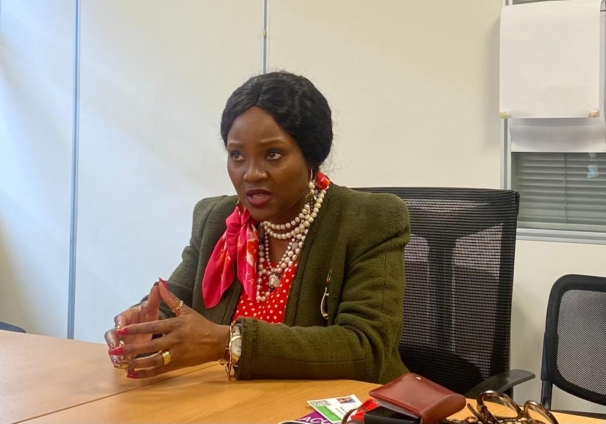
According to the Secretary-General of the Convention on Wetlands, Dr. Musonda Mumba, the continuous pollution of beaches and other Ramsar sites along the West African coastline with plastic materials has reached an alarming rate and would require immediate solutions.
The experienced environmentalist indicated that the "scientific information is showing that we are going to possibly have more plastics than fish in the sea."
Speaking to JoyNews, Dr. Musonda further explained that the Global Wetlands Outlook report issued in 2021 flagged the complexities of wetland loss, including the plastics menace, which, in her view, is getting out of hand.
Citing the Abijan Convention on Wetlands, which has countries such as Ghana as signatories, Dr. Musonda called for intergovernmental collaboration to effectively tackle plastic pollution.
The government of Ghana officially commenced intergovernmental negotiations on plastic pollution in Nairobi, Kenya, leading the pack of African countries calling for sustainable plastic production as nations worldwide attempt to formulate an internationally binding law aimed at tackling plastic pollution.
According to the Secretary-General of the Convention on Wetlands, the forum also portends significant influence over policy decisions on plastics going forward.
Ghana continues to grapple with what experts describe as a plastic menace, as an estimated 86 percent of the country’s plastic waste load is improperly disposed of, resulting in plastics clogging up stormwater drains, rivers, and streams and ending up in the oceans.
Aside from its contribution to perennial flooding, plastic waste also affects marine life and poses a danger to the global fight to tackle climate change.
"I am very much aware that one of your ministers of interior (Greater Accra Regional Minister) was even challenging a house of God, a religious institution because they were building their church in ramsar site,” she said while adding that Collectively and globally over 35 percent of wetlands have been lost since the 1900s.
"Wetlands are declining three times faster than forests. We need to be cognizant of the fact that when they decline and shrink, we are not going to have the water resources that we are supposed to be providing and this is where everybody has to get involved," the Secretary-General intimated.
Latest Stories
-
A source of excellence across generations – Vice President Opoku-Agyemang lauds Mfantsipim
14 minutes -
(Photos) Mfantsipim School launches historic 150th anniversary
37 minutes -
Knights and Ladies of Marshall group backs Catholic Bishops’ stance on anti-LGBTQ+
2 hours -
Bright Simons writes: All the Filla in the Ibrahim Mahama/E&P – Gold Fields Saga
2 hours -
Monetise Idiocy In Ghana
2 hours -
The Ghanaian prophet and the mysterious death of his scottish wife Charmain Speirs
3 hours -
Nearly 400 sentenced in Nigeria for links to militant Islamists
3 hours -
Ghana’s recovery supported by gold strength despite global oil price pressures – Standard Bank Research
3 hours -
Methodist Church hails Mfantsipim@150; calls for “fresh consecration” to excellence
4 hours -
‘Excellence is our inheritance’ – Nana Sam Brew-Butler hails Mfantsipim’s 150-year reign in leadership
4 hours -
Kwaku Azar writes: A-G vs OSP
4 hours -
Mfantsipim–Adisadel rivalry built excellence, not division – Sam Jonah
4 hours -
Vice President launches Mfantsipim’s 150 years of shaping Ghana’s greatest mind
5 hours -
I assure Otumfuo, Mahama will join him to commission KNUST Teaching Hospital by end of this year – Haruna Iddrisu
5 hours -
Barcelona dominate derby to extend La Liga lead
5 hours