

Audio By Carbonatix
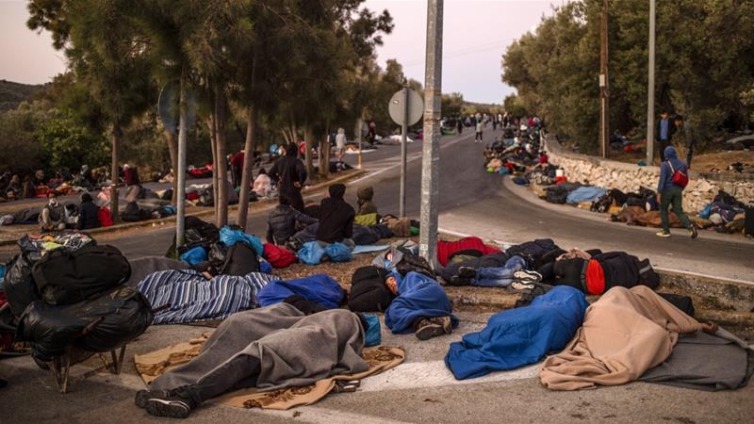
Thousands of refugees slept rough on the Greek island of Lesbos for a second night after a fire razed the country's largest camp to the ground, sending crowds fleeing but with nowhere to go.
Families slept on roadsides and in supermarket parking lots and fields across the island, which was at the forefront of the European migrant crisis in 2015-2016.
There had been about 13,000 people in the camp.
Tuesday night's inferno at Moria sent thousands rushing to save their lives, reducing the camp -
notorious for its poor living conditions - to a mass of smouldering steel and melted tent tarpaulin.
A second fire broke out on Wednesday night, destroying what little was left.
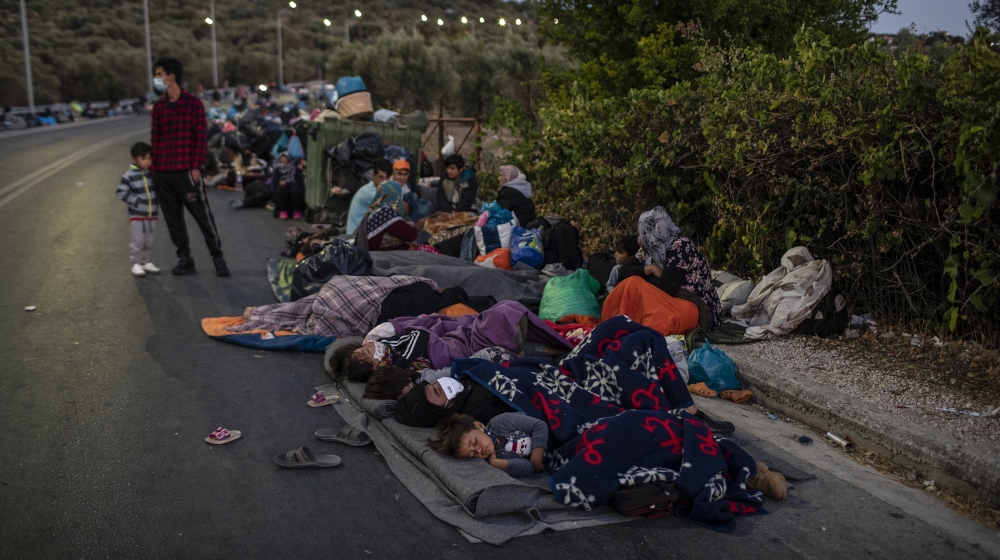
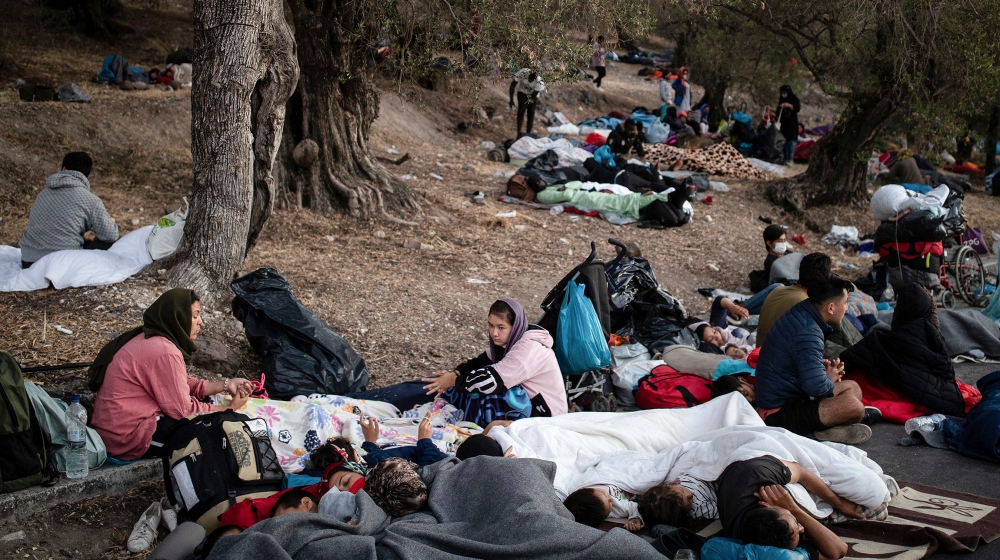
Desperate families, many with young children, spent Wednesday night in the open, some without tents or basic bedding. Some of the homeless trekked to the nearest villages for water and other supplies.
Police reinforcements were brought in to prevent refugees and migrants from reaching the island's main town of Mytilene, confining them to fields and roadsides.
Eight-year-old Congolese girl Valencia, who was barefoot, gestured to a Reuters reporter that she was hungry and asked for a biscuit. "Our home burned, my shoes burned, we don't have food, no water."
Both she and her mother Natzy Malala, 30, who has a newborn, slept on the side of the road.
"There is no food, no milk for the baby," Natzy Malala said.
Officials have declared a four-month emergency on Lesbos and flown in additional riot police.
The migration ministry said it would take "all necessary steps" to ensure that vulnerable groups and families had shelter, but these were expected to be met with stiff resistance from locals.
Authorities were already at loggerheads with locals over plans to replace Moria with a closed reception centre, which Lesbos residents fear would mean thousands of asylum seekers remaining permanently.
Municipalities were at odds over the handling of the situation, said Costas Moutzouris, governor of the Northern Aegean. "There is no decision. It's up in the air," he told Reuters.
The migration ministry said a ferry had been sent to accommodate hundreds of people ahead of the expected arrival of European Commission Vice-President Margaritis Schinas to inspect conditions on the island.
A government official who declined to be named said that sheltering refugees and migrants on boats was not a safe solution and was sending the wrong message to migrants who would want to leave Lesbos.
The fire brought fresh tragedy to the refugees who had been living in Moria. The camp was under quarantine restrictions due to an outbreak of COVID-19 last week.
Authorities are investigating whether Tuesday night's fires were started deliberately after COVID-19 tests led to the isolation of 35 refugees.
Latest Stories
-
Ghana Psychological Association calls for greater involvement of people with lived experience in mental health care
21 minutes -
Ablakwa says Ghana could evacuate more citizens from South Africa if the situation worsens
48 minutes -
Violence against girls must be tackled through individual responsibility – Gender advocate
52 minutes -
Ghana’s BRICS bid must be guided by national interest – International Affairs Analyst
1 hour -
Journalists look back on a decade of breast cancer reporting in Ghana
2 hours -
President Mahama ends Resetting Ghana tour of Ahafo Region
4 hours -
African negotiators seek delivery of climate commitments at COP31
4 hours -
BoG develops AI rules for financial sector
4 hours -
‘Big Push’: Government assures contractors of prompt payments
4 hours -
Court fines miner for breaking into gold buying shop
4 hours -
Tarkwa court jails labourer for three years over GH¢123,000 theft
5 hours -
GAEC must retain nuclear scientists for Ghana’s nuclear ambitions – Minister
5 hours -
Man reportedly mistaken for game and shot by hunter dead in forest
5 hours -
19-year-old mason jailed 15 years for defiling seven-year-old pupil
5 hours -
Ghana’s banking sector assets rise 20.47% to GH¢500.2bn – BoG Governor
6 hours