

Audio By Carbonatix
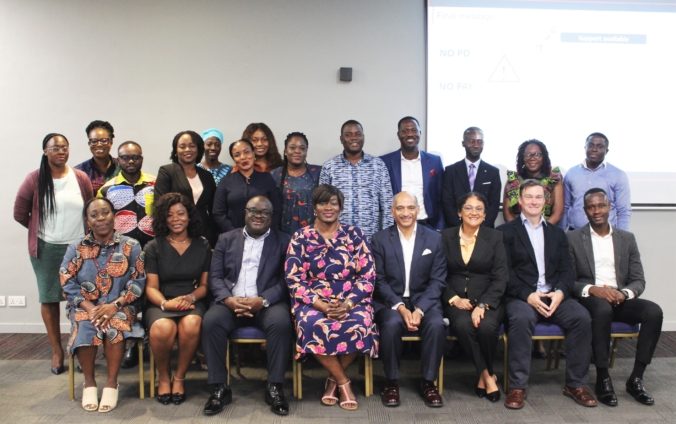
Tullow has partnered with the Upstream Petroleum Business Academy of the Petroleum Commission (PC), to deliver training to local suppliers in Ghana.
This is in keeping with its commitment to local content participation in the oil and gas sector,
The training, on the theme, “Closing the Gap Workshop on Reverse Auctions,” was led by Tullow’s Chief Procurement Officer, Atul Sahay and other stakeholders from the Petroleum Commission and Tullow Ghana.
In a comprehensive and engaging session, the 150 suppliers were taken through the full spectrum of Reverse Auctions, and its specific role in the tendering and contracting process for jobs and projects in the industry’s supply chain.
It also delved into deeper benefits of Reverse Auctions, highlighting some case studies to reinforce relevance.
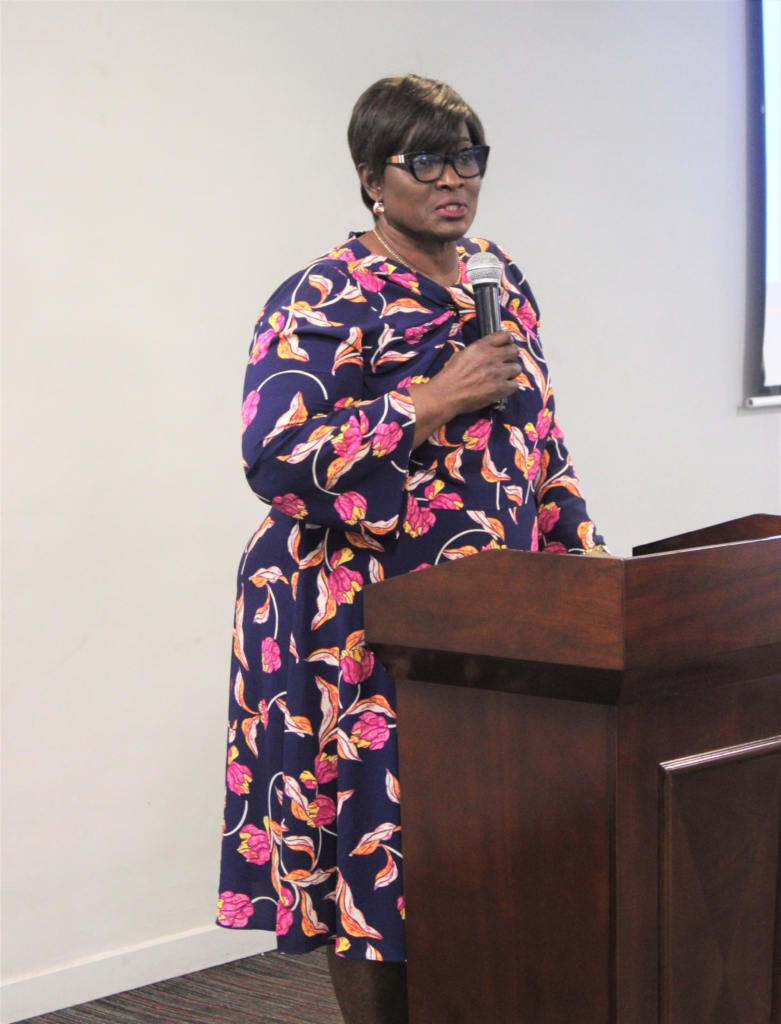
In her remarks at the training session, Sarah Quayson Danquah, Director of Localisation at the Petroleum Commission, reinforced support for the growth and development of a strong local capacity in the sector.
She commended Tullow for its dedication to building a reputable and competitive local supplier base in the industry
Atul Sahay, Chief Procurement Officer at Tullow said, “Our commitment is to develop the capacity and competence of local suppliers in the oil and gas industry in Ghana.
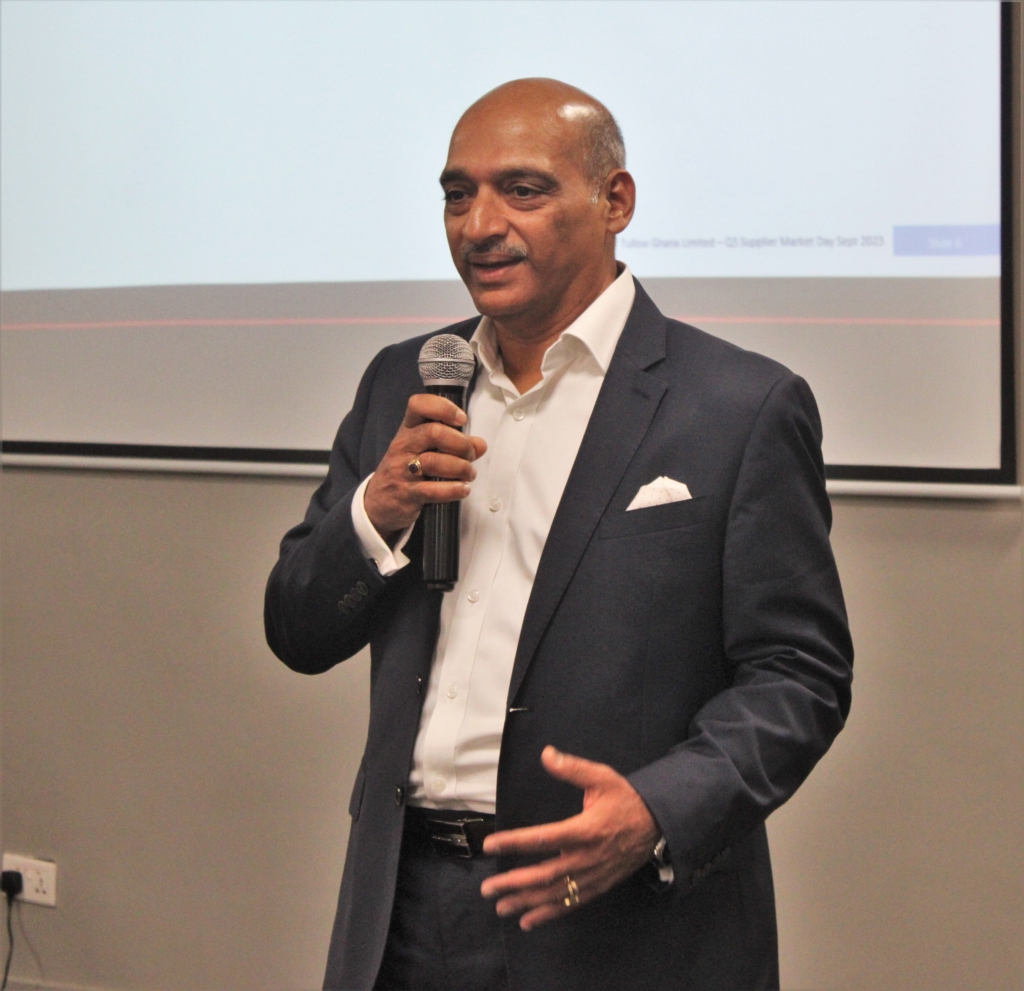
"We remain committed, as a company, to creating a sustainable and progressive marketplace for current and prospective suppliers who want to play a key role in the industry.”
Local content has always remained a cornerstone of Ghana's flourishing oil and gas sector.
Since the discovery of oil in commercial quantities in 2007, successive governments, civil society, and advocacy groups have all emphasised the importance of local participation.
Tullow, with its rich history in Ghana, has been instrumental in championing this cause for 15 years.
In a subsequent Market Day event held for suppliers, Tullow’s Deputy Managing Director for Ghana, Cynthia Lumor said, “We have always been at the forefront of promoting local participation because it is fundamental to the growth, development, and prosperity of the country.
"We shall continue to find opportunities to collaborate and partner with our suppliers as we seek long-term sustainability of the sector.”
As of 2022, Tullow spent a total of $173 million with local suppliers ($169 million in Ghana alone), representing 15% of local procurement spend (14% for Ghana).
Altogether, the company’s total spend in this category is approximately $1.2 billion in the last five years.
Additionally, Tullow currently has over 72% of local nationals employed in Ghana with a commitment to reach a target of 90% in the next three to five years.
Latest Stories
-
Today’s Front pages : Friday, April 10, 2026
31 minutes -
‘We don’t have time’ – Fianoo calls for Schäfer to lead Black Stars temporarily
1 hour -
CAF will not favour any country – President Motsepe
1 hour -
Otto Addo was appointed through the backdoor – Kudjoe Fianoo slams GFA
1 hour -
UG Corporate Football League back from the Easter break
1 hour -
CGI orders motorbike training at tactical school in Kyebi
2 hours -
Sachet water producers in Berekum defy gov’t directives, increase prices
2 hours -
Critical commodities stuck at port, CSOs warn of family planning crisis
2 hours -
Gender Ministry mourns victims of Volta Lake boat tragedy, deploys support for affected families
2 hours -
MPs undergo training on human trafficking and gender dimensions
2 hours -
Don’t expect instant relief – COMAC CEO warns fuel price drops will be gradual
2 hours -
GIS to unveil comprehensive plans to enhance officers’ welfare and infrastructure
3 hours -
Right move, wrong timing? – COMAC CEO questions govt’s delay on fuel price relief
3 hours -
IMF urges Central Banks to keep inflation in check
3 hours -
NRSA stands firm on Toyota Voxy ban despite transport operators’ opposition
3 hours