

Audio By Carbonatix
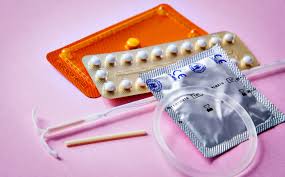
The Executive Director of the United Nations Population Fund (UNFPA), Ms Diene Keita, has warned that dwindling global funding for family planning is threatening access to contraceptives, with potentially devastating consequences for women, adolescents, and communities worldwide.
Ms Keita said contraceptives are not only essential to women’s health but also critical to economic growth, education, and gender equality. She noted that the world is now facing a crisis as supply chains weaken and contraceptive stocks run low in vulnerable communities.
“Contraceptives save lives. For almost 50 years, global health authorities have recognised contraception as essential medicine. People want them, use them, and rely on them every day,” she said in a statement.
The UNFPA chief cautioned that the current funding shortfall could reverse decades of progress in reproductive health, especially in developing countries where women depend on international support for access to family planning.
“Health systems are bracing for a rise in unintended pregnancies, which are in turn linked to higher rates of maternal death, including due to unsafe abortion,” Ms Keita said.
“And the impacts are likely to extend far beyond health care—we can expect to see adolescent pregnancies, school dropouts, and even increased risk of gender-based violence.”
She highlighted that access to contraceptives empowers women and adolescent girls to make informed decisions about their bodies and futures. Studies, she said, have shown that when women have access to contraception, they are more likely to complete school, find employment, and contribute meaningfully to their communities.
“Every $1 spent ending unmet need for contraception yields nearly $27 in economic benefits,” Ms. Keita noted, underscoring the broader socioeconomic importance of sustained investment in family planning.
UNFPA and its partners have, for decades, strengthened health systems and supply chains to ensure the availability of quality, affordable contraceptives even in remote areas.
Ms. Keita urged governments and donors to protect those gains and “work together to keep our promise to women and adolescent girls, uphold their rights and choices, and ensure they have access to the contraceptives they need to plan and forge a healthy and prosperous future.”
The warning comes as several low- and middle-income countries, including those in sub-Saharan Africa, face disruptions in contraceptive supply due to funding cuts and global health financing gaps.
Ghana’s own reproductive health services rely partly on UNFPA support to ensurethe continuous availability of family planning commodities in public health facilities.
Latest Stories
-
We can tackle multiple priorities – Sam George defends Anti-LGBTQ Bill push
32 minutes -
Statement: Ghana Chamber of Mines’ Response to Claims in Joe Jackson’s “Ananse Stories about the Economy of Ghana”
33 minutes -
GES opens 2026 teacher recruitment for licensed B.Ed graduates
35 minutes -
Ghana must value skilled trades, build resilient learners — Ibn Chambas
44 minutes -
Ghana must rethink education around relevance, resilience and responsibility — Ibn Chambas
46 minutes -
Prince Harry faces defamation lawsuit from charity he co-founded
48 minutes -
South Korea deploys thermal cameras to track escaped zoo wolf
50 minutes -
Calls for royal meeting with Epstein survivors grow ahead of US visit
53 minutes -
Ibn Chambas advocates blend of technology and human values in education
55 minutes -
UMA improves healthcare access in Asutifi North with GH₵700k ‘Kim Taylor Legacy’ Walkway
60 minutes -
Scholarships Authority and Fanaka University offer sponsorship for procurement and supply chain studies
1 hour -
Bisa Kdei drops new single ‘Go N Look’ featuring Medikal
1 hour -
Benin facing rising terrorism in north as French military presence faces growing criticism
1 hour -
UEW Public Lecture Series 2026: Education debate ‘about the soul of Ghana’s future’ — Dr Ibn Chambas
1 hour -
EU fingerprint and photo travel rules come into force from today
2 hours