


Audio By Carbonatix
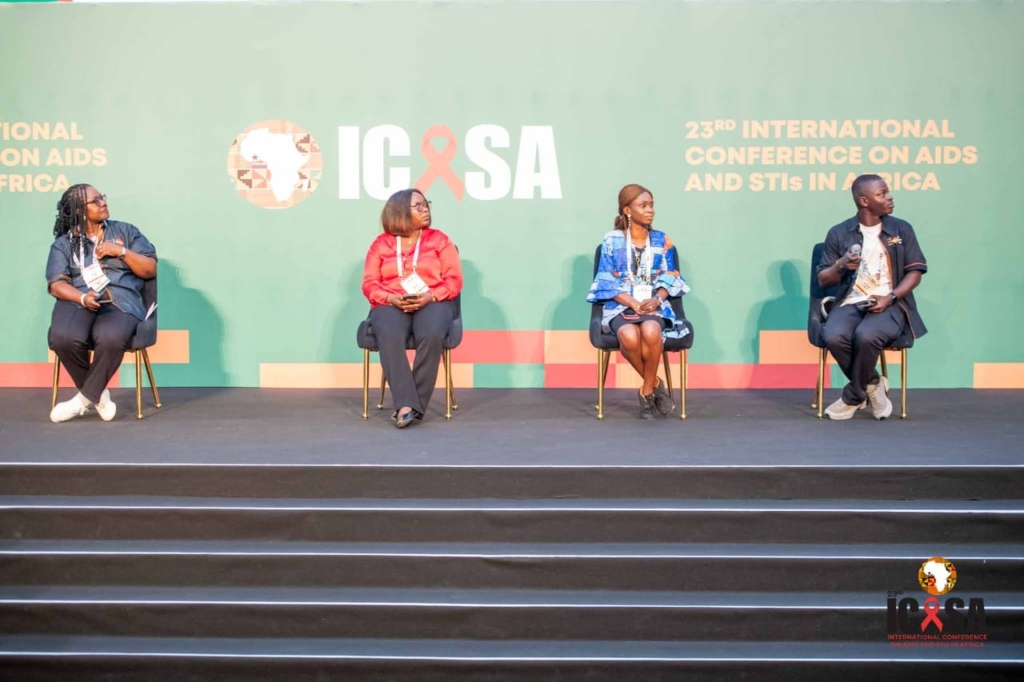
The International Conference on AIDS and STIs in Africa (ICASA) opened its doors on Wednesday, December 3, with a preliminary session focused on capacity building, highlighting the crucial role of youth in advocacy for sexual and reproductive health (SRH) policies and HIV.
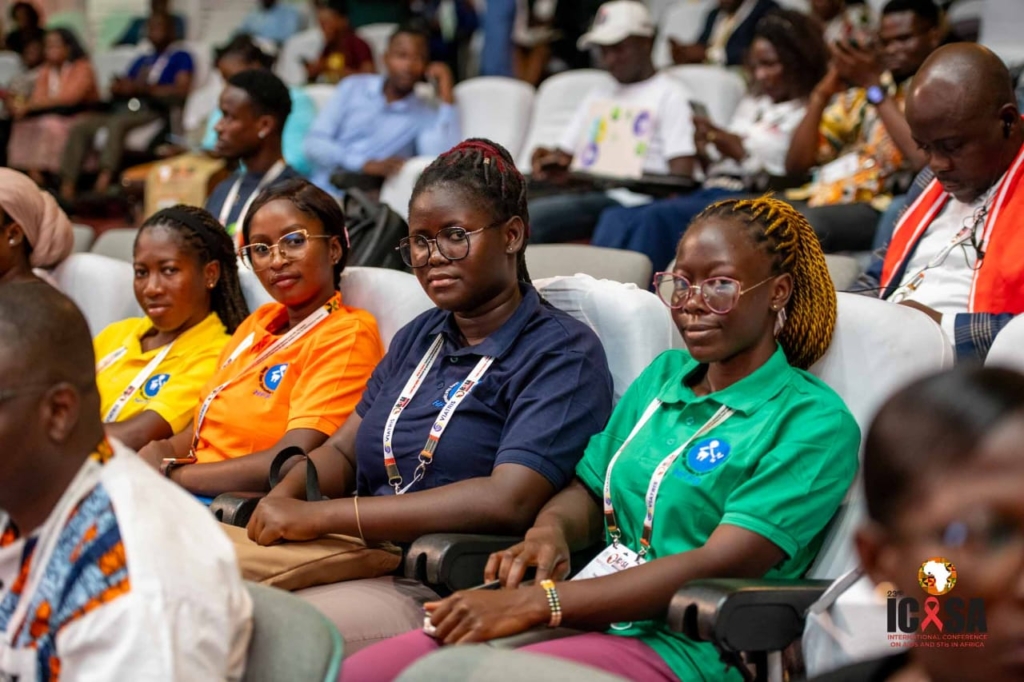
The event took place at the Accra International Conference Center and gathered young delegates around the theme of effective communication to drive sustainable change in African communities.
This session marked an important moment in the ICASA discussions, emphasizing the importance of a problem-solving communication approach, human impact, and proposing solutions.
The UNFPA, a key player in this session, alongside the African Society for the Fight Against AIDS (SAA) and other partners, presented its approach to amplifying community messages, supported by practical tools that help translate locally collected data into compelling narratives.
This approach, called Problem – Human Impact – Solution, aims to empower young participants with advocacy and influence tools to advance health policies in their communities.
This strategy was developed to resonate with the lived realities of youth while offering concrete methods to promote change through media and social networks.
The speakers of this session, prepared and presented by Winnie Tomonkoua from the AfriYAN Regional Office for West and Central Africa, Dr. Esther Somefun, reproductive health and gender analyst at UNFPA Nigeria, and CoulibalyZié Oumar, Media Specialist at REMAPSEN, the African Media Network for Health and Environment Promotion, introduced the concepts of advocacy and communication for social change.
When asked about the goals of the session, Dr. Esther Somefun stated that the objective is to equip a large cohort of young delegates with a three-tool advocacy toolkit, a shared, practical, and immediately applicable tool to advance SRH and HIV policies.
Specifically, she emphasized that they aim to enable young people to systematically document data at the community level, translate this evidence into compelling narratives for media and social networks, and structure policy briefings that influence decision-makers.
She continued by saying that by the end of the session, participants should be able to use concrete tools to influence policies, amplify messages, and structure policy briefings for decision-makers.
According to Dr. Esther Somefun, the United Nations organization plans to implement the Problem – Human Impact – Solution communication approach in youth communities by integrating it into capacity-building programs, training, and advocacy campaigns, ensuring that the messages resonate with the lived realities of youth and encourage them to take action.
Thus, the day laid the groundwork for a strategic dialogue, offering young delegates practical tools and a platform to voice their concerns and solutions on health issues.
Moreover, one of the main topics of discussion on the first day was African sovereignty and the mobilization of national resources for the financing of health programs, essential elements for ensuring the sustainability of these actions.
Participants emphasised that the success of these initiatives will largely depend on the commitment of governments to allocate sufficient local resources to support health efforts, especially for young people.
Latest Stories
-
BRICS Or Balance? What Ghana’s bid really means
19 minutes -
GPRTU wants full TRAFFITECH-GH implementation to start in 2027
38 minutes -
Mahama announces plans to import electric wheelchairs for PWDs
42 minutes -
KGL U17 Colts 2026: Western beat Prempeh Elite Academy to set up final final with Greater Accra Region
1 hour -
Late Solanke strike salvages 10-man Spurs draw at Man United
1 hour -
Gender Ministry to monitor welfare of Nana Akua Addo’s children amid domestic violence case
1 hour -
Benedict Okyere Yeboah: Ghana’s football problem goes beyond sacking a coach
1 hour -
GPL 2026/27: Darkwah Wiafe’s winner sees All Blacks beat Kotoko
2 hours -
ITF World Tour : Patel Wins Boys’ Singles Final at J100 Accra
2 hours -
Ghana must pursue BRICS partnership if it brings economic benefits – Kpebu
2 hours -
Success and Wright Claims J100 Accra Girls’ Doubles Championship
2 hours -
ITF J100: America’s Wright wins J100 Accra Girls’ Singles Title
2 hours -
Expedition hopes to find aviator Amelia Earhart’s plane on remote island
2 hours -
US seeks changes to rejected $109m health compact with Ghana – Mahama
2 hours -
Nine dead in mass shooting at Pennsylvania home
3 hours