

Audio By Carbonatix
As HIV and sexually transmitted infections (STIs) continue to affect millions across Africa, young people are often at the centre of both the risk and the response. Yet too often, the voices closest to the problem struggle to influence policy and public debate.
At the International Conference on AIDS and STIs in Africa (ICASA), held in Accra, a new approach is putting youth at the forefront of the solution, by turning lived experiences and local data into powerful tools for change.
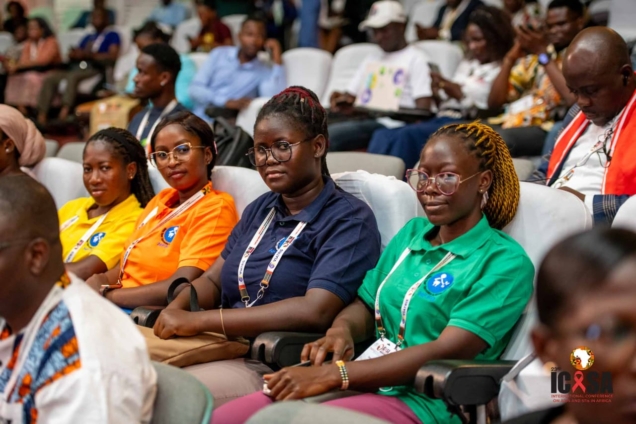
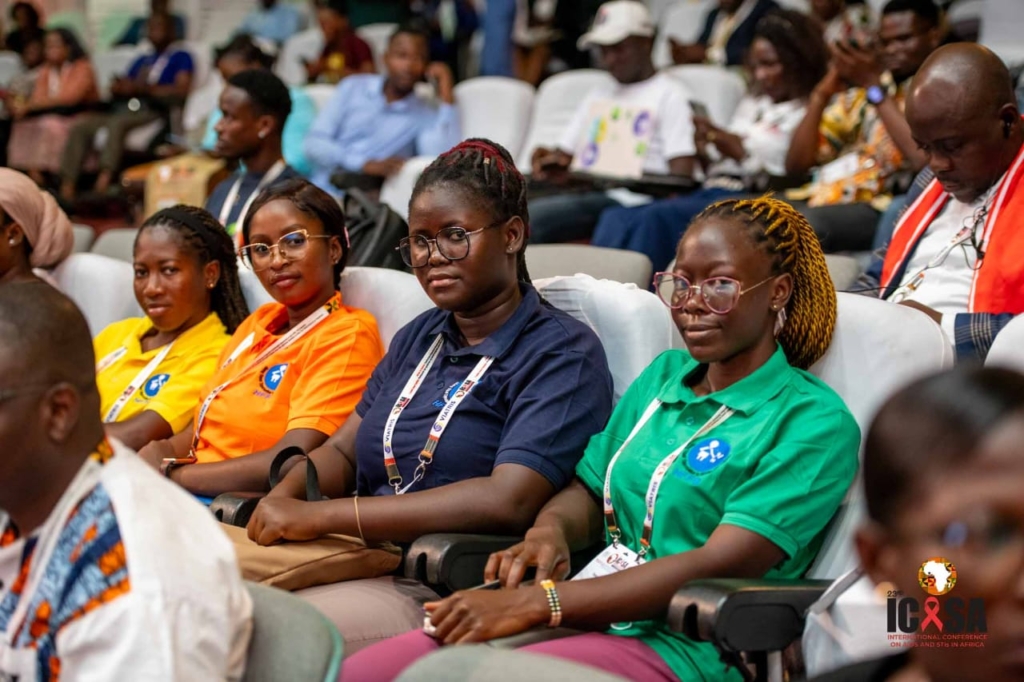
The preliminary capacity-building session brought together young delegates, and focused on strengthening youth advocacy for sexual and reproductive health (SRH) and HIV policies, using effective communication to drive sustainable change across African communities.
Across the continent, young people continue to face barriers to accessing accurate information, quality health services and platforms to influence decision-making on SRH and HIV. These gaps not only increase vulnerability to infection but also silence the very group most affected by policy failures. Speakers at the session stressed that without youth-driven advocacy grounded in real community experiences, responses to AIDS and STIs risk missing their mark.
For many young Africans, the impact is deeply personal. Inadequate policies translate into preventable infections, disrupted education, stigma and limited life opportunities. This reality, organisers argued, demands a communication strategy that goes beyond statistics and speaks directly to human experience.
It is within this context that the United Nations Population Fund (UNFPA), alongside the African Society for the Fight Against AIDS (SAA) and other partners, introduced a communication model designed to bridge the gap between data and action. The approach, known as “Problem – Human Impact – Solution,” equips young advocates with practical tools to transform community-level data into compelling narratives for media, social networks and policy engagement.
According to Dr. Esther Somefun, Reproductive Health and Gender Analyst at UNFPA Nigeria, the goal is clear. “The objective is to equip a large cohort of young delegates with a three-tool advocacy toolkit; a shared, practical, and immediately applicable tool to advance SRH and HIV policies,” she said.
She explained that the strategy empowers youth to ground their advocacy in evidence while keeping people at the centre of the story. "We aim to enable young people to systematically document data at the community level, translate this evidence into compelling narratives for media and social networks, and structure policy briefings that influence decision-makers," Dr. Somefun noted.
By the end of the session, participants were expected to leave with skills they could immediately apply within their communities. "Participants should be able to use concrete tools to influence policies, amplify messages, and structure policy briefings for decision-makers," she added.
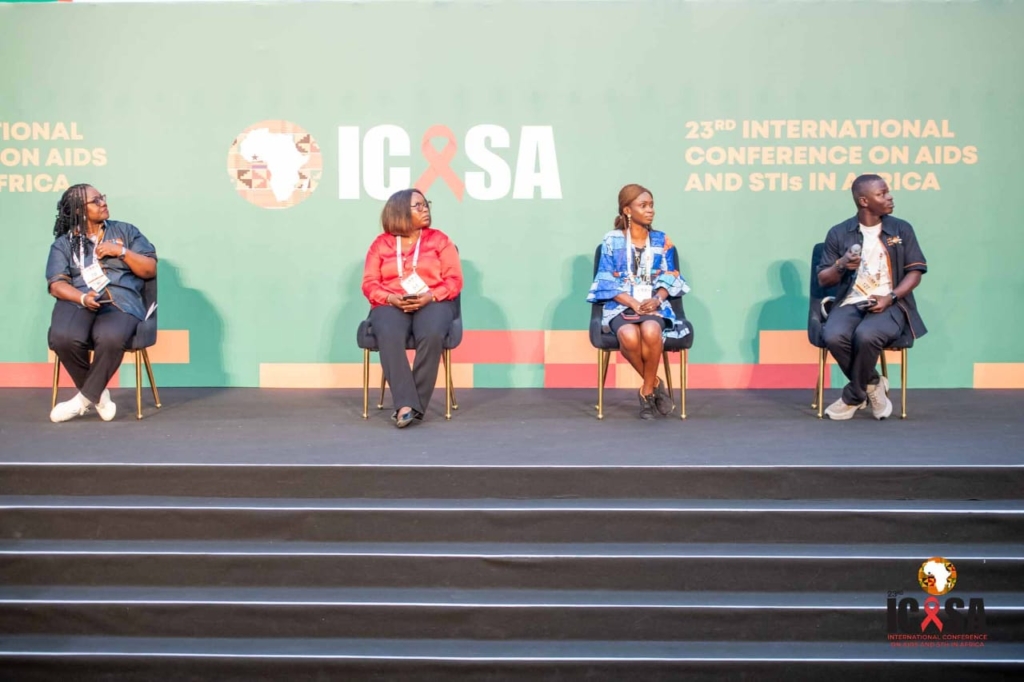
The session, presented by Winnie Tomonkoua from the AfriYAN Regional Office for West and Central Africa, Dr. Esther Somefun of UNFPA Nigeria, and Coulibaly Zié Oumar, Media Specialist at the African Media Network for Health and Environment Promotion (REMAPSEN), introduced young delegates to advocacy and communication strategies tailored for social change.
Beyond the tools, the discussion also addressed sustainability. One of the dominant themes on the first day of ICASA was African sovereignty and the urgent need to mobilize domestic resources to finance health programmes. Participants stressed that long-term success in the fight against AIDS and STIs will depend on governments committing national resources to support youth-focused health interventions.
UNFPA says it plans to embed the Problem – Human Impact – Solution approach directly into youth engagement going forward. According to Dr. Somefun, the organisation will “implement the communication approach in youth communities by integrating it into capacity-building programs, training, and advocacy campaigns, ensuring that the messages resonate with the lived realities of youth and encourage them to take action.”
The stakeholders are of the view that by equipping young people to tell their own stories, grounded in data, driven by human impact and focused on solutions, policies will be informed not just by numbers, but by lived experience.
Latest Stories
-
Power restoration fault suspected in Kumasi Central Market fire
4 hours -
The 7-foot giant of Ngleshie Amanfro: Seven-foot Ghanaian Ephraim Saawa dreams of joining the national basketball team
5 hours -
Government promises support for Kumasi Central Market fire victims
5 hours -
Vibes The Movie: Big Ghun’s Ghanaian film earns five nominations at 2026 REFFA
6 hours -
MamaCare CEO warns unresolved conflicts among health workers could undermine maternal and neonatal care
6 hours -
Health professionals urged to translate medical knowledge into practice to save mothers
6 hours -
Conflicts among care providers linked to maternal, neonatal deaths – Expert
8 hours -
GIS marks 10th TIME conference, champions improved teaching practices
8 hours -
BRICS Or Balance? What Ghana’s bid really means
8 hours -
GPRTU wants full TRAFFITECH-GH implementation to start in 2027
9 hours -
How 10-mile walks for basic education birthed a 50-year legal career for Justice Korbieh
9 hours -
Mahama announces plans to import electric wheelchairs for PWDs
9 hours -
KGL U17 Colts 2026: Western beat Prempeh Elite Academy to set up final final with Greater Accra Region
9 hours -
Late Solanke strike salvages 10-man Spurs draw at Man United
9 hours -
Gender Ministry to monitor welfare of Nana Akua Addo’s children amid domestic violence case
9 hours